Introduction to Precision Metal Fabrication in the Andean Region
The industrial landscape of Quito, Ecuador, has undergone a significant transition toward high-precision automated manufacturing. As the regional demand for specialized components in the medical, automotive, and HVAC sectors increases, the integration of advanced CNC laser systems has become a technical necessity. Specifically, the deployment of the Small Diameter Pipe Laser represents a shift toward optimizing throughput for tubing profiles that traditional CO2 or mechanical sawing methods cannot process with equivalent accuracy. This transition is not merely a matter of hardware acquisition but involves rigorous adherence to international safety protocols, specifically the CE (Conformité Européenne) and NR-12 (Norma Regulamentadora 12) standards, which ensure operational integrity and worker protection in high-altitude industrial environments.
Technical Architecture of Small Diameter Pipe Laser Systems
Processing pipes with diameters ranging from 10mm to 50mm requires a specific kinematic configuration distinct from standard tube lasers. The Small Diameter Pipe Laser utilizes a high-speed Fiber Laser Resonator, typically ranging from 1kW to 3kW, to maintain a narrow kerf width and minimal heat-affected zone (HAZ). In the context of Quito’s manufacturing sector, these machines are equipped with specialized pneumatic or electric chucks capable of high rotational speeds (RPM) to maintain linear cutting velocities on small circumferences.
The motion control systems must manage rapid acceleration and deceleration cycles to prevent deformation in thin-walled materials such as stainless steel or copper. Furthermore, the integration of automatic loading systems allows for continuous operation, reducing the cycle time per part. The technical challenge in Quito involves calibrating these systems for the atmospheric pressure at 2,850 meters above sea level, which can impact the cooling efficiency of the laser source and the behavior of assist gases like Nitrogen and Oxygen during the fusion cutting process.
CE Certification: Ensuring European Safety Standards
For a Small Diameter Pipe Laser to be commissioned in a professional B2B environment, it must meet the CE marking requirements. This certification indicates that the machinery complies with European Union health, safety, and environmental protection standards. Key technical directives include the Machinery Directive 2006/42/EC and the Low Voltage Directive 2014/35/EU.
In practice, CE compliance for laser systems involves the implementation of Class 1 laser enclosures, ensuring that the operator is never exposed to direct or reflected laser radiation. The viewing windows must be constructed from certified polycarbonate or glass filters specific to the 1064nm to 1080nm wavelength of fiber lasers. Additionally, the electrical cabinets must feature Galvanic Isolation and proper electromagnetic compatibility (EMC) shielding to prevent interference with other sensitive industrial electronics within the facility.

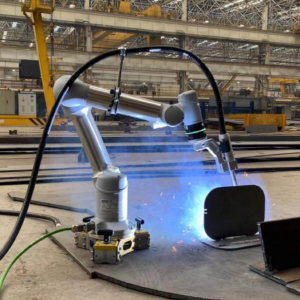
Industrial Application of Small Diameter Pipe Laser
NR-12 Compliance: The Regulatory Framework in Latin America
While CE is a global benchmark, the NR-12 standard is a rigorous safety regulation originally from Brazil that has become a de facto requirement for many multinational corporations operating in Ecuador. NR-12 focuses on the lifecycle of the machine, including transport, installation, operation, and maintenance. It mandates the use of Interlocking Safety Circuits with redundancy, ensuring that if any safety barrier is breached, the machine enters a “safe state” immediately.
For a Small Diameter Pipe Laser in Quito to be NR-12 compliant, it must feature physical barriers that prevent access to moving parts, such as the rotating chucks and the longitudinal drive system. Emergency stop buttons must be strategically placed and monitored by safety relays. Documentation is also a critical component; all technical manuals, safety signs, and software interfaces must be provided in the local language (Spanish) to ensure that maintenance personnel can perform diagnostics without ambiguity. Failure to comply with NR-12 can result in significant legal liabilities and operational shutdowns for Ecuadorian manufacturers.
Integration of Safety Sensors and Monitoring
Modern laser systems utilize a network of sensors to maintain compliance. These include inductive sensors for home positioning, pressure switches for assist gas monitoring, and laser power sensors to detect beam instability. In the specific case of small diameter processing, the vibration sensors are critical. Due to the high rotational speeds required for small circumferences, any imbalance in the pipe can lead to mechanical failure. Real-time monitoring systems can throttle the RPM if centrifugal forces exceed the safety thresholds defined by the NR-12 risk assessment.
Environmental and Atmospheric Considerations in Quito
Operating a high-power fiber laser at high altitudes requires adjustments to the cooling infrastructure. The lower air density in Quito reduces the heat exchange capacity of standard air-cooled chillers. Consequently, systems must be specified with oversized refrigeration units or water-to-water heat exchangers to maintain the Fiber Laser Resonator within its optimal operating temperature range (typically 20°C to 25°C). Proper thermal management is a prerequisite for both CE and NR-12 compliance, as overheating can lead to electrical failures or hazardous malfunctions in the laser delivery fiber.
Material Specifics and Cutting Parameters
The technical application of these machines in Quito often involves 304/316 stainless steel and aluminum alloys. Cutting parameters must be precisely tuned to avoid dross accumulation on the interior of small-diameter tubes. The use of high-pressure nitrogen (up to 20 bar) is standard for achieving oxide-free edges. The CNC control system must support “FlyCut” technology, which allows the laser head to move continuously across multiple profiles, significantly increasing efficiency when processing complex hole patterns in small tubes.
Concluding Industry Insight: The Future of Standardized Manufacturing
The convergence of international safety standards like CE and NR-12 with advanced laser technology is redefining the manufacturing capabilities of the Andean region. For B2B stakeholders, the investment in a Small Diameter Pipe Laser is no longer just about the hardware specifications; it is about the integration of a compliant ecosystem that minimizes risk and maximizes uptime. As global supply chains continue to seek regionalized production hubs, Quito’s ability to provide high-precision, safety-compliant metal components positions it as a critical node in the Latin American industrial network. The industry is moving toward a model where safety compliance is viewed as a performance metric rather than a regulatory hurdle, driving the adoption of smarter, safer, and more efficient laser processing solutions.
Industrial Expertise & Support
Are you looking for high-performance Small Diameter Pipe Laser tailored for the Global market? Our engineering team provides comprehensive solutions for modern manufacturing.