Precision Fabrication in Coastal Hubs: The Rise of Small Diameter Pipe Laser Technology in Guayaquil
The industrial landscape of Guayaquil, Ecuador, is undergoing a significant transition from traditional mechanical fabrication to high-precision automated systems. As the nation’s primary port city, Guayaquil serves as a critical node for the manufacturing of maritime components, HVAC systems, and medical-grade furniture. The integration of Small Diameter Pipe Laser systems into this ecosystem addresses the increasing demand for high-tolerance components that traditional sawing and drilling methods cannot achieve. This technical analysis explores the deployment of fiber laser systems optimized for small-bore tubing and the drastic reduction in operator onboarding time facilitated by Artificial Intelligence (AI) enhanced Human-Machine Interfaces (HMI).
Technical Specifications of Small-Bore Fiber Laser Systems
Processing pipes with diameters ranging from 10mm to 100mm requires a specific mechanical architecture distinct from heavy-duty tube lasers. In Guayaquil’s localized manufacturing sectors, the focus is often on thin-walled stainless steel and aluminum. The Fiber Laser Resonator utilized in these systems typically operates in the 1kW to 3kW range, providing the necessary power density to achieve clean cuts without excessive heat-affected zones (HAZ).
The mechanical stability of these machines relies on high-speed pneumatic chucks capable of rotating at speeds exceeding 120 RPM. Unlike larger systems, small diameter lasers must mitigate the vibrations inherent in high-speed rotation of long, slender workpieces. Integrated active support systems utilize sensors to adjust the height of the pipe in real-time, ensuring that the focal point of the laser remains constant relative to the material surface. This precision is vital for maintaining a Kerf Compensation accuracy of ±0.05mm, which is the standard requirement for high-end export goods produced in the region.
The AI-Driven HMI: Bridging the Skills Gap
Historically, the barrier to entry for laser tube cutting was the complexity of CNC programming and the manual calculation of nesting patterns. The implementation of an AI-driven HMI has fundamentally altered this dynamic. In the Guayaquil installations, the HMI acts as an intermediary that translates complex CAD data into machine-optimized G-code without requiring manual intervention from the operator.
The AI component utilizes machine learning algorithms to analyze the geometry of the pipe and the specific material properties. It automatically calculates the optimal cutting speed, gas pressure (typically Nitrogen for stainless steel to prevent oxidation), and pulse frequency. For Guayaquil-based firms, this means that the reliance on highly specialized CNC programmers is reduced, as the system provides real-time feedback and corrective suggestions during the setup phase.
The 48-Hour Implementation: A 2-Day Operator Learning Curve
The primary advantage of the AI-integrated system is the compressed training timeline. A 2-day learning curve allows a facility to transition from installation to full-scale production within a single work week. The training protocol is divided into four distinct phases over 48 hours:

Industrial Application of Small Diameter Pipe Laser
Day 1, Morning: Hardware Orientation and Safety Protocols
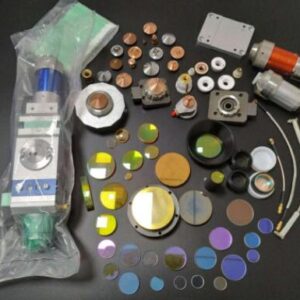
The first four hours focus on the physical architecture of the laser. This includes the maintenance of the optical lens, the calibration of the pneumatic chucks, and the management of the dust extraction system. Operators are trained on the safety interlocks and the specific wavelength hazards associated with fiber lasers.
Day 1, Afternoon: Interface Navigation and Job Loading
Operators interact with the HMI to load standard STEP or IGES files. The AI identifies the tube profile (round, square, or oval) and suggests the nesting arrangement to minimize material waste. By the end of Day 1, operators are capable of executing basic cuts on standardized 20mm stainless steel tubes.
Day 2, Morning: Advanced Parameter Tuning and Error Handling
The second day shifts to optimization. The AI HMI provides a “diagnostic mode” where operators learn to interpret sensor data regarding nozzle centering and beam quality. Training involves simulating common errors, such as material deformation or gas pressure drops, and allowing the AI to guide the operator through the resolution process.
Day 2, Afternoon: Production Simulation and Maintenance Scheduling
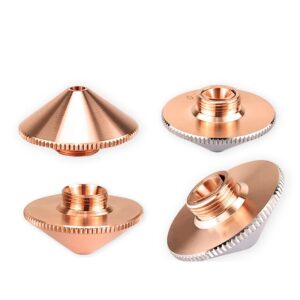
The final phase involves a continuous production run. Operators manage the loading of raw material and the sorting of finished parts. The HMI tracks the duty cycle of consumables, teaching the operator how to predictively replace nozzles and ceramic rings based on the AI’s wear-level analytics.
Operational Efficiency and Material Versatility
In the context of Guayaquil’s industrial requirements, versatility is as important as speed. The small diameter laser systems are frequently used for complex intersections, such as saddle cuts and miter joints, which are common in the assembly of structural frames. The Small Diameter Pipe Laser handles these geometries through 3D cutting heads that can tilt up to 45 degrees, allowing for weld-ready bevels.
Data from local installations indicate a 60% reduction in secondary processing time. Because the laser produces a burr-free finish, the need for manual grinding or deburring is virtually eliminated. Furthermore, the AI-optimized nesting reduces scrap rates by an average of 12%, a critical factor given the fluctuating costs of imported raw materials in the Ecuadorian market.
Thermal Management in Small-Bore Processing
One technical challenge specific to small diameter pipes is heat accumulation. Because the internal volume of the pipe is small, heat from the laser can reflect off the back wall, potentially damaging the internal surface or causing the tube to warp. The AI HMI manages this through “Cooling Point” logic, where the laser path is interrupted by micro-seconds of high-pressure gas bursts to dissipate heat. This is particularly relevant for the thin-walled aluminum tubing used in Guayaquil’s expanding aerospace and automotive component sectors.
Concluding Industry Insight: The Shift Toward Autonomous Fabrication
The deployment of AI-enhanced laser systems in Guayaquil is a microcosm of a broader global trend: the democratization of high-precision manufacturing. The significance of a 2-day learning curve cannot be overstated in an era where skilled labor shortages are a global phenomenon. By embedding the “expert knowledge” of the cutting process into the HMI itself, manufacturers are no longer tethered to the availability of veteran operators.
Looking forward, the integration of these machines into the broader “Smart Factory” framework will likely involve cloud-based monitoring, where multiple units across different Guayaquil facilities can be optimized from a centralized data hub. For the B2B sector, the takeaway is clear: the competitive advantage in pipe fabrication has shifted from the physical capacity of the machine to the intelligence of the software controlling it. Companies that adopt these AI-driven platforms will achieve a level of operational agility that traditional shops simply cannot match, positioning themselves as leaders in the high-growth Latin American industrial market.
Industrial Expertise & Support
Are you looking for high-performance Small Diameter Pipe Laser tailored for the Global market? Our engineering team provides comprehensive solutions for modern manufacturing.