Optimization of Industrial Pipe Fabrication: A Case Study in Concepción, Chile
The industrial landscape of Concepción, Chile, characterized by its robust forestry, pulp, and maritime sectors, has historically relied on traditional mechanical methods for tube and pipe fabrication. As global supply chains demand higher precision and faster turnaround times, the transition from manual multi-stage processing to automated laser systems has become a technical necessity. This analysis examines the transition from a 72-hour production cycle to a 3-hour window through the implementation of a Small Diameter Pipe Laser system. The focus is on the elimination of cumulative tolerances and the integration of CAD/CAM workflows into the manufacturing floor.
The Legacy 72-Hour Workflow: Bottlenecks and Manual Latency
Before the integration of advanced laser technology, the fabrication of small-diameter piping (typically ranging from 12mm to 120mm) involved a fragmented workflow. In the industrial workshops of the Biobío Region, the standard procedure for a batch of complex hydraulic manifolds or structural frames required several distinct phases, each introducing potential for human error and material waste.
The initial phase involved manual measurement and mechanical sawing. Mechanical saws, while effective for bulk cutting, often produced a significant Kerf Width and left burrs that required secondary deburring processes. Following the cut, technicians performed manual layout using templates and chalk lines to mark hole centers and notch geometries. This stage alone accounted for approximately 15 percent of the total cycle time. Subsequent drilling, milling, or punching operations were performed on separate machines, necessitating multiple setups and increasing the risk of axial misalignment.
Material handling represented the most significant time sink. Moving pipes between sawing stations, drill presses, and grinding benches consumed hours of labor. Furthermore, the cumulative tolerance buildup—where errors in the first cut propagated through the drilling and notching phases—often resulted in fit-up issues during final assembly. In a 72-hour cycle, approximately 20 hours were dedicated to rework, manual adjustments, and quality control inspections to ensure the components met ISO standards.
Technical Specifications of the Small Diameter Pipe Laser
The introduction of the Small Diameter Pipe Laser in Concepción has centralized these disparate operations into a single-pass automated process. Unlike CO2 lasers, the modern Fiber Laser Source utilized in these systems operates at a wavelength of approximately 1.06 microns, allowing for superior absorption in reflective metals such as stainless steel, copper, and brass, which are prevalent in the region’s maritime and pulp industries.

Industrial Application of Small Diameter Pipe Laser
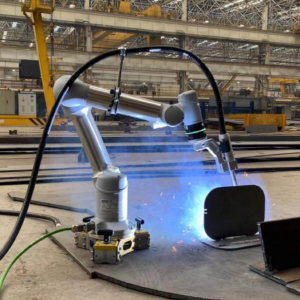
The system utilizes a high-speed chucking mechanism designed to handle thin-walled tubes without deformation. Precision is maintained through real-time sensing technology that compensates for pipe bow and twist—common defects in raw mill stock. By utilizing a non-contact thermal process, the laser maintains a minimal Heat Affected Zone (HAZ), preserving the structural integrity and metallurgical properties of the pipe wall. This is particularly critical for high-pressure hydraulic applications where thermal stress can lead to premature fatigue failure.
The 3-Hour Cycle: Digital Integration and Execution
The reduction of the production cycle to 3 hours is achieved through the elimination of physical templates and manual setups. The process begins with the direct import of STEP or IGES files from CAD software into the laser’s Nesting Optimization engine. This software calculates the most efficient arrangement of parts on a single length of pipe, minimizing scrap rates and determining the optimal cutting path in seconds.
Once the digital parameters are set, the automated loading system feeds the raw stock into the machine. The laser performs cutting, hole-piercing, and complex notching (such as bird-mouth joints for structural frames) in one continuous operation. Because the laser head moves with five or six axes of freedom, it can create beveled edges ready for welding, eliminating the need for secondary grinding. The precision of the laser ensures that the finished components possess a dimensional tolerance within +/- 0.1mm, a level of accuracy unattainable through manual mechanical methods.
In this 3-hour window, the breakdown is as follows: 30 minutes for programming and nesting, 15 minutes for material loading and calibration, 2 hours of continuous high-speed laser processing, and 15 minutes for final automated inspection and unloading. The result is a finished product that is ready for immediate assembly or welding, bypassing the days of staging and manual labor previously required.
Comparative Analysis of Precision and Material Efficiency
From a technical standpoint, the shift to laser processing in Concepción has redefined the “scrap-to-profit” ratio for local manufacturers. Mechanical cutting methods typically result in a 3mm to 5mm loss per cut due to the blade thickness. In contrast, the laser’s kerf is often less than 0.2mm. Over a high-volume production run, this material saving allows for additional parts to be extracted from the same amount of raw stock.
Elimination of Secondary Finishing
One of the primary drivers of the 72-hour cycle was the “cleaning” phase. Mechanical tools leave jagged edges and localized work-hardening at the point of impact. The Small Diameter Pipe Laser uses high-pressure nitrogen or oxygen assist gases to blow away molten material during the cut, leaving a clean, oxide-free edge. This is vital for industries in Concepción that require high-purity piping or aesthetic architectural finishes, as it removes the need for chemical pickling or manual sanding.
Structural Integrity and Weld Preparation
For structural applications, the ability to laser-cut interlocking tabs and slots into small diameter pipes has transformed assembly. These “self-fixturing” parts snap together with high precision, reducing the need for expensive welding jigs and further shortening the downstream assembly time. The precision of the laser-cut notch ensures a tight fit-up, which reduces the amount of filler metal required during welding and minimizes the risk of weld porosity.
Concluding Industry Insight: The Shift Toward Autonomous Fabrication
The transformation observed in Concepción reflects a broader global trend in B2B manufacturing: the transition from tool-centric fabrication to data-centric fabrication. The reduction in cycle time from 72 hours to 3 hours is not merely an incremental improvement in speed; it represents a fundamental shift in how industrial capacity is calculated. By removing the “human variable” from the primary cutting and machining phases, manufacturers can achieve predictable, repeatable results that are essential for Just-In-Time (JIT) delivery models.
As the industry moves forward, the integration of Artificial Intelligence within the laser’s control system will likely allow for even greater optimization, such as predictive maintenance and real-time adjustment for material density variations. For regional hubs like Concepción, adopting these high-precision automated systems is the prerequisite for remaining competitive in an export-driven market. The ability to deliver complex, high-tolerance components in a fraction of the traditional timeframe allows local firms to compete not on labor costs, but on technical proficiency and rapid response capabilities. The era of manual layout and mechanical pipe processing is being superseded by a digital-first approach where the laser is the primary engine of efficiency.
Industrial Expertise & Support
Are you looking for high-performance Small Diameter Pipe Laser tailored for the Global market? Our engineering team provides comprehensive solutions for modern manufacturing.