Technical Integration of Precision Alignment Tools in Tropical Urban Infrastructure
The expansion of municipal utility networks in Cali, Colombia, presents a unique set of geophysical and atmospheric challenges for civil engineering firms. As a primary hub in the Valle del Cauca, Cali’s infrastructure projects—ranging from wastewater management to telecommunication conduits—require high-precision alignment within confined subterranean spaces. The deployment of the Small Diameter Pipe Laser has become a critical standard for ensuring grade accuracy and directional integrity in these environments. However, the technical success of these instruments is heavily dependent on their ability to withstand the localized climatic variables of the region, specifically high ambient temperatures and persistent relative humidity levels that often exceed 75 percent.
In the context of gravity-flow pipe installation, even a marginal deviation in grade can lead to hydraulic inefficiencies or structural sedimentation over time. For contractors operating in the tropical savanna climate of Cali, the selection of laser guidance systems must move beyond basic functionality to focus on environmental resilience. This article examines the technical specifications required for pipe lasers to maintain operational uptime in high-humidity zones, focusing on IP54 and higher ingress protection standards and internal component stabilization.
Environmental Constraints: The Cali Humidity Profile
Cali’s geographic positioning at approximately 1,000 meters above sea level, combined with its proximity to the Pacific coast and the Andean foothills, results in a microclimate characterized by high vapor pressure. For electronic optical instruments, this environment introduces the risk of internal condensation and “fogging” of the output window. When a Small Diameter Pipe Laser is moved from a temperature-controlled storage environment to a humid trench, the dew point transition can cause moisture to precipitate on internal lenses, refracting the beam and compromising the Relative Humidity (RH) Mitigation protocols of the device.

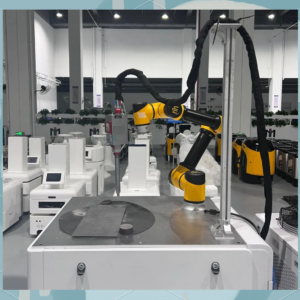
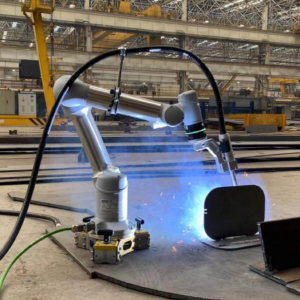
Industrial Application of Small Diameter Pipe Laser
Furthermore, the soil composition in the Valle del Cauca often involves heavy clays and silts that retain moisture. This increases the likelihood of the laser unit being partially submerged or subjected to high-pressure splash during the bedding and backfilling phases of pipe installation. Consequently, the baseline standard for equipment in this region must exceed standard dry-climate specifications.
The Technical Necessity of IP54+ Ingress Protection
The Ingress Protection (IP) rating is the primary metric for evaluating a pipe laser’s durability. An IP54 rating indicates that the device is protected against dust ingress that could interfere with operation and protected against water splashing from any direction. While IP54 is often sufficient for general construction, the specific demands of Cali’s drainage projects frequently necessitate “IP54+” or IP68-rated housing. The “+” designation in technical literature typically refers to enhanced sealants and nitrogen-purged optical cavities that prevent the “breathing” effect—where temperature fluctuations pull moist air into the unit through microscopic gaps in the chassis.
For a Small Diameter Pipe Laser, the compact form factor makes heat dissipation more complex. High-quality units utilize cast aluminum or high-grade polymer housings that act as heat sinks, ensuring that the internal laser diode remains within its optimal operating temperature range. This prevents “diode drift,” where the beam’s intensity or wavelength shifts due to thermal stress, a common failure point in lower-tier equipment used in tropical climates.
Optical Performance and Beam Stability
In high-humidity zones, the physical properties of the air can affect the laser beam’s coherence over long distances. High water vapor density can lead to beam scattering, particularly with standard red-light diodes (635nm). Engineering firms in Colombia are increasingly specifying green-beam technology (520nm) for pipe lasers. The human eye is more sensitive to the green spectrum, allowing for better visibility against the backdrop of wet concrete or damp PVC. More importantly, green diodes often feature more robust Diode Thermal Stabilization circuitry to manage the higher power requirements and heat generation associated with green light emission.
The precision of these instruments is typically rated at plus or minus 10 arc-seconds. Maintaining this level of accuracy requires a self-leveling mechanism that is dampened against the vibrations of nearby heavy machinery, such as excavators or compactors. In the soft soils of Cali, the stability of the laser platform is paramount. Advanced pipe lasers utilize electronic level sensors that automatically compensate for minor shifts in the pipe bedding, ensuring the grade remains consistent with the engineering blueprints.
Operational Efficiency in Confined Spaces
The “small diameter” aspect of these lasers is critical for Cali’s urban infill projects, where new utilities must be threaded through existing, crowded underground corridors. Modern units are designed to fit into pipes as small as 100mm (4 inches) in diameter. This requires a streamlined longitudinal design and a versatile mounting system. Target sets used in conjunction with the laser must also be adapted for high humidity; anti-reflective coatings and hydrophobic surfaces on the target glass prevent water droplets from distorting the laser spot, which is essential for the “stringline” accuracy required by municipal inspectors.
Battery technology also plays a role in climate adaptation. High-humidity and high-heat environments can accelerate the discharge rates of Lithium-Ion cells. Professional-grade pipe lasers utilized in Colombian infrastructure projects are often equipped with high-capacity NiMH or Li-Ion packs designed for extended duty cycles of 40 hours or more, reducing the need for mid-shift battery swaps which expose the internal battery compartment to the humid ambient air.
Maintenance and Calibration Protocols for Tropical Zones
To ensure the longevity of a Small Diameter Pipe Laser in the Cali region, localized maintenance protocols must be established. This includes the use of desiccants within carrying cases and the regular inspection of O-rings and seals. Given the high mineral content often found in local groundwater, any moisture that does contact the exterior of the unit should be cleaned with distilled water to prevent calcification on the optical window, which can cause permanent pitting or beam diffusion.
Calibration frequency should also be increased when working in tropical zones. The expansion and contraction of the laser’s internal chassis due to the delta between nighttime lows and daytime highs can, over time, induce mechanical stress on the leveling gimbals. Monthly calibration checks against a known benchmark are recommended to maintain the sub-millimeter tolerances required for modern gravity-sewer specifications.
Industry Insight: The Future of Subterranean Alignment
As Cali continues to modernize its urban footprint, the demand for precision in trenchless and open-cut piping will only intensify. The industry is moving toward a more integrated “smart trench” approach where the Small Diameter Pipe Laser is no longer a standalone tool but part of a digital ecosystem. We anticipate the integration of Bluetooth and cellular telemetry within these lasers, allowing engineers to monitor grade and alignment in real-time from surface-level mobile devices. This minimizes the time personnel spend in high-risk, humid confined spaces, enhancing safety while maintaining rigorous technical standards.
The adaptation of IP54+ technology for high-humidity zones like Cali serves as a blueprint for infrastructure development across the equatorial belt. By prioritizing environmental resilience and thermal stabilization, contractors can mitigate the risks of equipment failure and ensure that the vital arteries of the city—its water and waste systems—are built on a foundation of absolute geometric precision. The transition from general-purpose tools to climate-specific instruments marks a maturation of the regional construction sector, aligning local execution with global engineering benchmarks.
Industrial Expertise & Support
Are you looking for high-performance Small Diameter Pipe Laser tailored for the Global market? Our engineering team provides comprehensive solutions for modern manufacturing.