The Strategic Integration of Small Diameter Pipe Laser Systems in Bogotá’s Manufacturing Hub
The industrial landscape of Bogotá, Colombia, has undergone a significant transformation, evolving from traditional fabrication methods to high-precision automated systems. Central to this evolution is the deployment of the Small Diameter Pipe Laser, a specialized tool designed to meet the rigorous demands of sectors such as automotive component manufacturing, medical device production, and high-end furniture assembly. As global supply chains face increasing pressure, the ability to maintain these complex systems locally has become a critical differentiator for manufacturers operating within the Andean region.
Bogotá serves as a logistical nexus, providing a unique vantage point for technical service distribution. However, the adoption of fiber laser technology in this region has historically been hindered by the latency of international technical support and the scarcity of specialized components. By establishing a framework for localized spare parts and a guaranteed 24-hour service response, the barrier to entry for high-speed pipe processing is significantly lowered, ensuring that operational uptime remains consistent with international standards.
Technical Specifications and Precision Requirements
A Small Diameter Pipe Laser is engineered specifically to handle tubular profiles typically ranging from 10mm to 120mm in diameter. Unlike standard tube lasers, these machines prioritize high acceleration and deceleration rates. Because the mass of the workpiece is relatively low, the machine’s CNC Motion Control system must manage rapid directional changes without compromising the structural integrity of the thin-walled pipe or the precision of the cut geometry.
The integration of high-wattage fiber laser sources allows for high-speed processing of stainless steel, carbon steel, and aluminum. The technical challenge in Bogotá’s high-altitude environment involves managing the cooling systems and gas purity levels required for optimal beam stability. Localized technical expertise ensures that the laser parameters are calibrated for the specific atmospheric conditions of the city, preventing beam divergence and ensuring dross-free finishes on complex intersections and hole patterns.
Localized Spare Parts: Mitigation of Operational Downtime
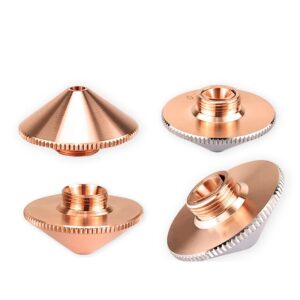
In the context of industrial production, the Total Cost of Ownership (TCO) is heavily influenced by the availability of consumables and critical components. The reliance on transcontinental shipping for parts such as Fiber Laser Resonator modules, cutting heads, or even specialized nozzles can result in production halts lasting several weeks. In Bogotá, the establishment of a localized inventory changes the economic equation for fabricators.

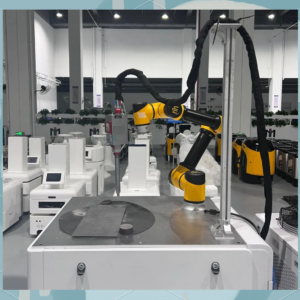
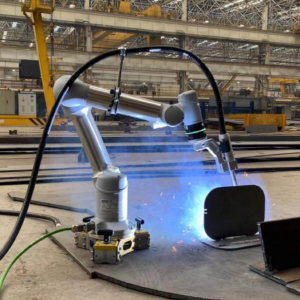
Industrial Application of Small Diameter Pipe Laser
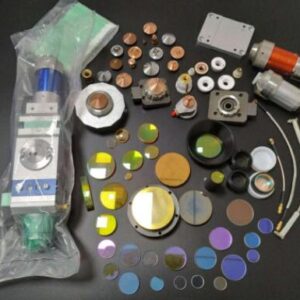
A localized spare parts strategy includes the immediate availability of:
- Protective windows and focal lenses optimized for specific wavelengths.
- Ceramic rings and sensor cables for height control systems.
- Electronic components including servo drives and PLC modules.
- Pneumatic valves and high-pressure gas regulators.
By maintaining these items within the Bogotá metropolitan area, manufacturers can transition from a reactive maintenance posture to a proactive one. This localization ensures that the mean time to repair (MTTR) is minimized, allowing facilities to maintain high Overall Equipment Effectiveness (OEE) scores. Furthermore, it eliminates the complexities of customs clearance and international logistics fluctuations that often plague the Latin American industrial sector.
The 24h Service Response Protocol
Service reliability is defined by the speed and accuracy of the technical intervention. A 24-hour service response commitment in Bogotá involves a multi-tiered support structure designed to address both software-level anomalies and mechanical failures. This protocol begins with remote diagnostics, leveraging Industrial IoT (IIoT) connectivity to analyze real-time machine data and error logs.
When an onsite intervention is required, the proximity of factory-trained engineers within the city allows for a rapid deployment. These engineers are equipped with specialized diagnostic tools, such as laser power meters and beam profilers, to ensure that the machine is returned to its original factory specifications. The 24-hour window covers the initial diagnostic phase, the dispatch of the technician, and the implementation of the repair, ensuring that the production schedule is minimally impacted.
Optimizing Throughput for Export-Oriented Manufacturing
Colombia’s manufacturing sector is increasingly focused on export markets, requiring compliance with international quality standards such as ISO and ASTM. The Small Diameter Pipe Laser provides the repeatability necessary for these markets. However, repeatability is only possible if the machine’s calibration is maintained through regular servicing. Localized support in Bogotá provides the necessary calibration intervals that might otherwise be neglected if service were only available from overseas.
The ability to process small-diameter tubes with high precision allows for the development of lightweight, high-strength structures. In the automotive sector, this translates to more efficient chassis components; in the medical field, it enables the production of complex surgical instruments. The technical support infrastructure in Bogotá acts as an enabler for these industries, providing the confidence to invest in sophisticated automation without the risk of long-term mechanical obsolescence.
Environmental and Atmospheric Considerations in Bogotá
Operating high-precision laser equipment at an altitude of 2,640 meters presents specific technical hurdles. The lower atmospheric pressure affects the behavior of assist gases, such as Nitrogen and Oxygen, during the cutting process. Localized service teams in Bogotá possess the empirical data required to adjust gas pressure settings and nozzle diameters to compensate for these variables.
Additionally, the cooling requirements for the Fiber Laser Resonator must be precisely managed to prevent condensation or overheating in the varying humidity levels of the savanna. A service team that understands the local climate can implement specific preventative maintenance schedules, such as more frequent filter changes and coolant analysis, which are often overlooked in generic manufacturer manuals written for sea-level operations.
Industry Insight: The Future of Andean Fabrication
The convergence of localized technical support and advanced laser technology marks a pivotal shift for the Andean manufacturing corridor. As Bogotá continues to solidify its position as a regional industrial leader, the emphasis will move beyond the mere acquisition of hardware toward the optimization of the entire lifecycle of the equipment. We anticipate a trend where “Service as a Product” becomes as vital as the laser source itself.
The integration of localized spare parts and rapid response times is not merely a convenience; it is a strategic necessity in an era defined by just-in-time manufacturing and lean production cycles. For global companies looking to outsource or establish operations in Colombia, the presence of a robust support ecosystem for Small Diameter Pipe Laser technology provides a secure foundation for high-tech investment. The future of the region lies in this synergy between global technological standards and localized technical execution, ensuring that the “Made in Colombia” label is synonymous with precision and reliability.
Industrial Expertise & Support
Are you looking for high-performance Small Diameter Pipe Laser tailored for the Global market? Our engineering team provides comprehensive solutions for modern manufacturing.