Strategic Implementation of Small Diameter Pipe Laser Systems in the Antofagasta Industrial Corridor
The industrial landscape of Antofagasta, Chile, serves as a critical nexus for the global mining and energy sectors. As operations in the Atacama region transition toward higher degrees of automation and precision, the demand for specialized fabrication equipment has intensified. Among these technologies, the Small Diameter Pipe Laser has emerged as a fundamental tool for processing complex piping networks, hydraulic systems, and structural components used in large-scale extraction projects. The integration of high-performance fiber laser sources, specifically from industry leaders IPG Photonics and Raycus, has redefined the operational parameters of local fabrication facilities.
The technical requirements for pipe processing in this region are dictated by the harsh environmental conditions and the necessity for zero-tolerance fitment in high-pressure fluid systems. Unlike general-purpose tube lasers, small diameter systems are engineered to handle high-speed rotations and rapid accelerations required for pipes typically ranging from 10mm to 150mm in diameter. This specialization ensures that the Kerf Width Precision remains consistent, preventing thermal distortion in thin-walled stainless steel or copper alloys frequently utilized in desalination and chemical processing plants across northern Chile.
Technical Specifications of IPG and Raycus Laser Sources
The choice of a Fiber Laser Resonator is the primary determinant of a machine’s throughput and long-term reliability. In the Antofagasta market, the competition between IPG Photonics and Raycus provides fabricators with distinct paths toward achieving production goals. IPG Photonics, recognized for its high wall-plug efficiency and exceptional beam quality (M2 < 1.1), offers a level of stability that is essential for 24/7 industrial operations. The modular design of IPG sources allows for individual diode module replacement, which significantly reduces the mean time to repair (MTTR) in remote Chilean mining sites.
Conversely, Raycus has established a significant footprint by offering robust power stability and high back-reflection resistance at a more accessible price point. For small diameter applications, where the material thickness is often less than 6mm, the power density provided by a 1kW to 3kW Raycus source is more than sufficient to maintain high feed rates. The technical advantage of these sources lies in their ytterbium-doped fiber architecture, which ensures a wavelength of approximately 1.07 microns—ideal for high-absorption rates in ferrous and non-ferrous metals alike.

Industrial Application of Small Diameter Pipe Laser
Kinematics and Mechanical Stability in Small Diameter Processing
Processing small diameter tubes requires a different approach to CNC Laser Kinematics compared to large-scale structural steel. The centrifugal forces generated when rotating a small pipe at high RPM can lead to vibration if the chucking system is not precisely balanced. Advanced systems deployed in Antofagasta utilize pneumatic double-chuck configurations that provide synchronized rotation and high-speed clamping. This prevents material slippage during high-acceleration maneuvers, which is critical when cutting intricate geometries or small-hole arrays.
Furthermore, the integration of automatic loading systems tailored for small bundles significantly enhances the duty cycle of the machine. In an environment where labor costs and logistical challenges are prevalent, the ability of a Small Diameter Pipe Laser to operate with minimal manual intervention provides a measurable competitive advantage. The mechanical rigidity of the machine bed, often constructed from high-tensile cast iron or stress-relieved welded frames, ensures that the optical alignment remains true despite the seismic activity common in the Chilean region.
Residual Value and Asset Life-Cycle Management
From a CAPEX perspective, the procurement of laser machinery is a significant investment. However, the residual value of equipment equipped with IPG or Raycus sources remains remarkably high in the secondary market. This is primarily due to the global serviceability and the documented longevity of these resonators. Asset Life-Cycle Management in the Antofagasta industrial sector focuses on the “second life” of the machine. A pipe laser with a high-quality source and a reputable CNC controller (such as FSCUT or Beckhoff) can retain up to 60-70% of its value after five years of operation, provided the maintenance protocols are strictly followed.
The presence of authorized service centers and the availability of spare parts for these specific laser sources in South America mitigate the risks of obsolescence. When a company in Antofagasta decides to upgrade to a higher-wattage system, the existing machine becomes a highly liquid asset for smaller fabrication shops or regional subcontractors. The transparency of the source’s power degradation curves—minimal in the case of IPG—allows prospective buyers to verify the remaining operational life of the resonator with high accuracy.
Operational Efficiency and Environmental Adaptation
Antofagasta’s climate presents unique challenges, including high ultraviolet exposure and airborne particulate matter from mining activities. Small diameter pipe lasers must be equipped with pressurized electrical cabinets and advanced filtration systems to protect the optical path. The fiber delivery system of both IPG and Raycus sources is inherently more resilient to these conditions than CO2 laser gas delivery systems. The enclosed nature of the fiber cable prevents contamination of the beam path, ensuring that the power delivered to the cutting head remains constant.
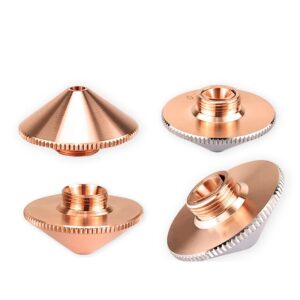
In addition to environmental resilience, the software integration for these machines allows for seamless nesting and ERP synchronization. This reduces material waste—a critical factor when processing expensive alloys like Monel or high-grade stainless steel. The ability to perform “common-line cutting” on small diameter tubes further optimizes the process, reducing the total number of pierces and extending the life of the cutting head consumables.
Concluding Industry Insight
The industrial evolution in Antofagasta reflects a broader global trend: the move away from versatile, “jack-of-all-trades” machinery toward highly specialized, component-driven technology. The adoption of the Small Diameter Pipe Laser with premium resonators is not merely a trend but a calculated response to the need for higher precision and lower operational overhead. As the mining sector continues to demand more sophisticated infrastructure, the reliance on high-residual-value assets will become the standard for financial and operational sustainability.
The long-term outlook for the Chilean fabrication market suggests that the integration of fiber laser technology will continue to expand into automated production lines. Companies that prioritize the quality of the laser source (IPG/Raycus) and the mechanical precision of the delivery system will find themselves best positioned to navigate the fluctuating demands of the global commodities market. By securing equipment with high residual value, these firms are essentially de-risking their technological transition, ensuring that their capital remains productive well beyond the initial procurement phase.
Industrial Expertise & Support
Are you looking for high-performance Small Diameter Pipe Laser tailored for the Global market? Our engineering team provides comprehensive solutions for modern manufacturing.