Optimization of Structural Steel Fabrication: The Case of the Cali Profile Steel Cutting Center
In the competitive landscape of structural steel fabrication, operational efficiency is measured by the velocity of throughput and the precision of output. The industrial sector in Cali, Colombia, has recently emerged as a focal point for this technical evolution. By transitioning from traditional, manual-intensive fabrication methods to a fully integrated Profile Steel Cutting Center, regional facilities have demonstrated a statistically significant reduction in cycle times. This analysis examines the transition from a 72-hour production cycle to a 3-hour streamlined process, detailing the technical parameters and systemic changes required to achieve a 95.8 percent increase in temporal efficiency.
The Legacy Framework: Identifying 72-Hour Bottlenecks
Prior to the implementation of automated systems, the standard workflow for processing structural profiles—such as I-beams, H-columns, and channels—was characterized by fragmented operations. In the Cali industrial corridor, the 72-hour cycle was often divided into three distinct phases: layout and marking, manual cutting and drilling, and material handling logistics.
The layout phase relied heavily on manual measurement and physical templates. This process was inherently prone to human error, requiring extensive quality control (QC) checks that frequently resulted in rework. Manual band saws and magnetic drills provided the primary means of processing, where setup times for each hole and cut were cumulative. Furthermore, material handling was dependent on overhead crane availability, leading to significant “wait-state” periods where machinery remained idle. These inefficiencies aggregated into a multi-day cycle for even moderate-sized project batches, limiting the facility’s ability to respond to Just-In-Time (JIT) requirements in the construction and mining sectors.
The Technological Shift: CNC Structural Processing Integration
The reduction of the cycle time to 3 hours is predicated on the deployment of CNC structural processing. This shift replaces individual, disconnected tasks with a continuous, automated flow. The modern cutting center integrates multiple axes of movement with high-speed carbide drilling and robotic thermal cutting capabilities.
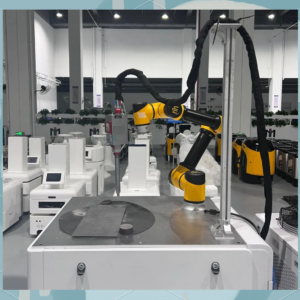
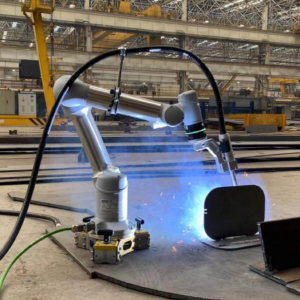
In the Cali facility, the Profile Steel Cutting Center utilizes a multi-spindle configuration that allows for simultaneous drilling of flanges and webs. By eliminating the need to reposition the beam for different planes of processing, the system removes the primary source of manual setup time. The integration of high-definition plasma or oxy-fuel robotic arms allows for complex coping, block-outs, and bolt-hole preparation within a single workstation. This consolidation of processes is the foundational driver behind the drastic reduction in total fabrication time.
The Role of Nesting Optimization and Data Management
A critical component of the 3-hour cycle is the digital preparation phase. The use of advanced nesting optimization software allows engineers to import DSTV or IFC files directly from CAD environments. The software calculates the most efficient arrangement of parts on a raw beam to minimize scrap and maximize tool path efficiency.

Industrial Application of Profile Steel Cutting Center
In the context of the Cali center, the 72-hour legacy included several hours of manual nesting and material estimation. Current automated software performs these calculations in minutes. This digital workflow ensures that once the material enters the infeed conveyor, the machine logic is already optimized for the fastest possible sequence of operations. The precision of the CNC interface ensures that tolerances are maintained within +/- 0.5mm, virtually eliminating the post-processing and correction time that previously bloated the production schedule.
Automated Material Handling and Flow Control
The physical movement of heavy structural profiles is often the most overlooked aspect of cycle time. To achieve a 3-hour throughput, the Cali facility implemented automated material handling systems, including motorized cross-transfers and sophisticated infeed/outfeed conveyors.
These systems utilize sensors to detect the presence and dimensions of the profile, automatically aligning the material for the gripper feed or roller feed system. By removing the dependency on overhead cranes for internal machine movement, the facility maintains a constant “arc-on” or “drill-in-metal” time. The 3-hour cycle reflects not just faster cutting, but the elimination of non-value-added movement. Material moves seamlessly from the raw yard through the cutting center to the assembly-ready zone without manual intervention, ensuring that the velocity of the production line is governed by machine specifications rather than labor availability.
Quantitative Impact on Project Economics
The cycle time reduction from 72 hours to 3 hours has profound implications for the economic viability of structural steel projects. For a standard 50-ton lot of structural steel, the labor cost component is reduced by approximately 80 percent. Moreover, the reduction in scrap through precision nesting provides a direct saving on raw material costs, which typically account for a significant portion of project overhead.
In Cali, this efficiency has allowed local fabricators to compete on a global scale, offering shorter lead times for international infrastructure projects. The ability to process a complete bill of materials in a single afternoon, which previously took three full working days, allows for higher capital turnover and the ability to take on more complex, time-sensitive contracts without increasing the physical footprint of the facility.
Concluding Industry Insight: The Future of Distributed Fabrication
The success of the Profile Steel Cutting Center in Cali, Colombia, serves as a blueprint for the future of distributed structural steel fabrication. As global supply chains prioritize resilience and localized production, the ability to deploy high-tech, low-cycle-time centers in strategic logistics hubs becomes paramount. The transition from 72 hours to 3 hours is not merely an incremental improvement; it represents a fundamental shift from labor-intensive manufacturing to a capital-intensive, high-precision model.
The industry is moving toward a “dark factory” philosophy in the initial stages of steel processing, where the human role shifts from manual labor to system oversight and data management. For B2B stakeholders, the takeaway is clear: the competitive advantage in the next decade will be defined by the integration of CAD-to-Machine workflows. Facilities that fail to compress their cycle times through automation will find themselves unable to meet the logistical demands of modern infrastructure development. The Cali case study proves that even in emerging industrial markets, the adoption of top-tier CNC technology is the most effective lever for achieving global standards of productivity and precision.
Industrial Expertise & Support
Are you looking for high-performance Profile Steel Cutting Center tailored for the Global market? Our engineering team provides comprehensive solutions for modern manufacturing.