Introduction: The Industrial Evolution of Valparaíso
Valparaíso, Chile, serves as a critical maritime and industrial nexus, facilitating the flow of raw materials and manufactured goods across the Pacific. In recent years, the region’s structural steel sector has undergone a significant technological shift. As global demand for precision-engineered infrastructure increases, local fabrication facilities are transitioning from manual thermal cutting processes to automated systems. The implementation of the H-Beam Plasma Cutter equipped with energy-efficient fiber source technology represents a pivotal advancement in this landscape. This transition is driven by the necessity for higher throughput, reduced thermal distortion, and a smaller carbon footprint in large-scale construction projects.
Advancements in Fiber Source Technology and Power Efficiency
The integration of fiber source technology within plasma cutting systems has redefined the parameters of energy consumption in heavy industry. Traditional plasma power supplies relied on older transformer-rectifier designs that suffered from significant energy loss through heat dissipation. Modern systems deployed in Valparaíso utilize high-frequency inverter technology and fiber-coupled delivery systems to optimize the arc stability and energy density.
One of the primary technical advantages is the improvement in Wall-plug efficiency. Fiber-based power sources convert a significantly higher percentage of electrical input into usable thermal energy at the torch head. This efficiency minimizes the reactive power draw, allowing fabrication plants to operate high-capacity machinery without necessitating massive upgrades to the local electrical grid infrastructure. For a facility processing hundreds of tons of H-beams monthly, this translates to a reduction in kilowatt-hour consumption per meter of cut, directly impacting the bottom line and operational sustainability.
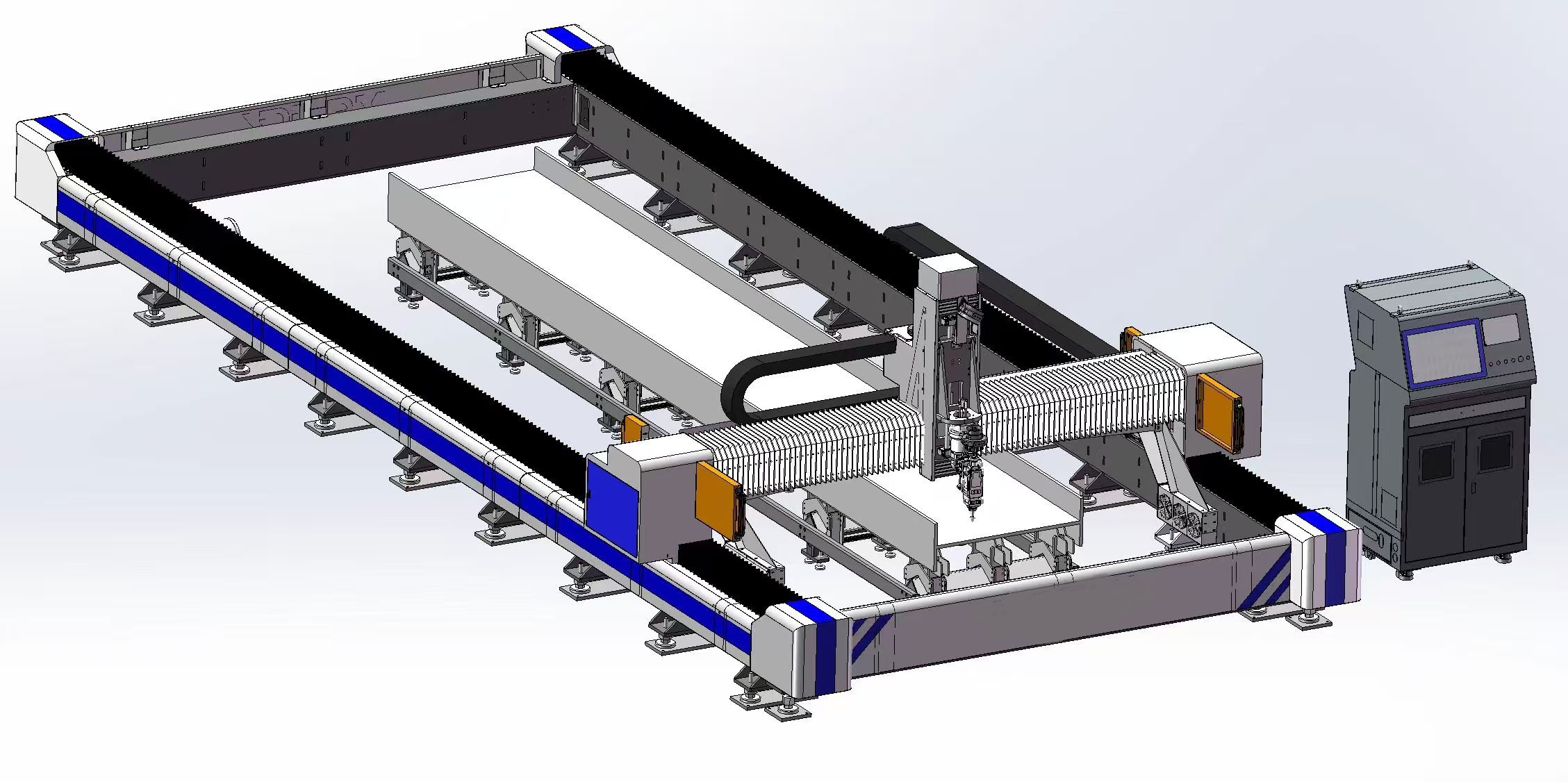
Industrial Application of H-Beam Plasma Cutter
Kinematics and Multi-Axis Robotic Profiling
Processing H-beams presents unique geometric challenges that standard 2D plasma tables cannot address. The H-beam’s flanges and web require simultaneous or sequential cutting on multiple planes. The current generation of plasma cutters in the Chilean market utilizes 6-axis robotic kinematics to navigate the complex topography of structural profiles. These robotic arms are programmed to maintain a constant standoff distance and torch angle, ensuring uniform heat distribution across the workpiece.
The technical precision of these systems allows for complex operations such as coping, miter cutting, and the creation of bolt holes with high cylindricality. By utilizing advanced sensors for material detection, the system compensates for structural deviations in the raw steel, such as camber or sweep. This level of automation eliminates the need for manual layout and secondary grinding operations, which are common bottlenecks in traditional structural steel fabrication.
Thermal Management and Material Integrity
In the context of Valparaíso’s seismic building codes, the Heat Affected Zone (HAZ) is a critical factor in structural integrity. Excessive heat during the cutting process can alter the martensitic structure of the steel, leading to brittleness at the connection points. The energy-efficient fiber source technology employed in these plasma cutters allows for a more constricted and higher-velocity plasma arc. This results in faster cutting speeds and a narrower Kerf width compensation, which significantly reduces the total heat input into the H-beam.
By minimizing the HAZ, engineers can ensure that the mechanical properties of the ASTM A36 or A572 steel commonly used in Chilean infrastructure remain within specified tolerances. Furthermore, the reduction in dross (slag) accumulation on the underside of the cut reduces the requirement for mechanical post-processing. This is achieved through precise control of the secondary shielding gas, which clears the molten metal more effectively when coupled with the high-intensity arc provided by modern fiber-integrated power units.
Software Integration and Data-Driven Manufacturing
The hardware capabilities of the H-Beam Plasma Cutter are complemented by sophisticated CAD/CAM integration. Fabrication shops in Valparaíso are increasingly adopting Building Information Modeling (BIM) workflows. Software packages such as Tekla Structures or Autodesk Revit generate DSTV or STEP files that are directly imported into the plasma cutter’s control system. This digital thread ensures that the physical component matches the digital twin with sub-millimeter accuracy.
Data-driven manufacturing also enables real-time monitoring of consumables and system health. Operators can track the wear of electrodes and nozzles, predicting failure before it results in a scrapped workpiece. In a high-stakes environment like the port of Valparaíso, where shipping schedules are rigid, the reliability provided by these diagnostic tools is essential for maintaining a consistent supply chain for structural components.
Environmental Impact and Operational Sustainability
Sustainability is no longer a secondary concern for global B2B operations. The shift toward energy-efficient fiber source technology aligns with international efforts to decarbonize the industrial sector. By reducing the power required for each cut and minimizing material waste through optimized nesting algorithms, these machines contribute to a more circular economy. Additionally, modern plasma systems are equipped with high-efficiency particulate air (HEPA) filtration systems that capture the fine metallic dust generated during the thermal process, protecting the local environment and ensuring compliance with Chilean occupational health and safety regulations.
Concluding Industry Insight
The deployment of advanced H-beam processing technology in Valparaíso is indicative of a broader trend in the global structural steel industry: the convergence of high-energy physics and robotic automation. As urban centers continue to expand in seismically active regions, the demand for high-strength, precision-cut structural members will only intensify. The industry is moving away from “brute force” thermal cutting toward highly controlled, energy-efficient methodologies. For stakeholders, the investment in fiber-integrated plasma technology is not merely an equipment upgrade; it is a strategic repositioning toward technical resilience. The future of structural fabrication lies in the ability to deliver extreme precision with minimal environmental impact, a balance that is currently being perfected in the industrial corridors of Chile’s most vital port city.
Industrial Expertise & Support
Are you looking for high-performance H-Beam Plasma Cutter tailored for the Global market? Our engineering team provides comprehensive solutions for modern manufacturing.





