Industrial Optimization: The Role of H-Beam Plasma Cutting in Bolivian Mining Infrastructure
The industrial landscape of Santa Cruz, Bolivia, has transitioned into a critical logistical and manufacturing hub for the South American mining sector. As extraction operations in the Andean highlands demand increasingly durable components to withstand abrasive environments, the implementation of advanced fabrication technologies has become mandatory. Central to this evolution is the H-Beam Plasma Cutter, a system engineered to handle the complex geometries of structural steel and high-strength wear plates. This article examines the technical integration of automated plasma cutting within the Santa Cruz industrial corridor and its specific application in rapid wear-plate customization for mining operations.
Technical Specifications of Plasma Integration in Structural Steel
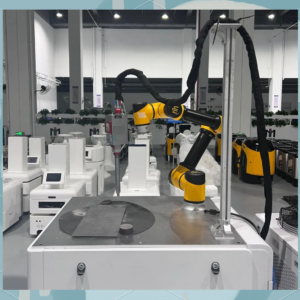
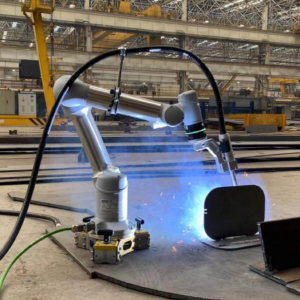
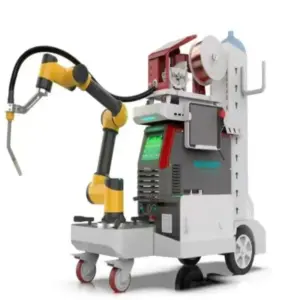
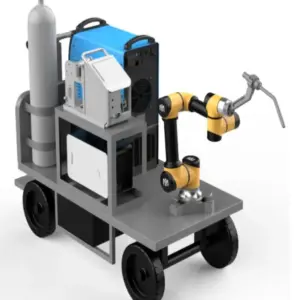
The H-Beam Plasma Cutter utilizes a high-velocity jet of ionized gas to conduct electricity from the torch to the workpiece. In the context of Santa Cruz’s fabrication facilities, these machines are typically configured with multi-axis robotic arms or gantry systems capable of 360-degree rotation. This allows for the precise processing of H-beams, I-beams, and heavy-duty plates without the need for manual repositioning, which significantly reduces the margin of error in structural assemblies.
For mining applications, the precision of the Heat-Affected Zone (HAZ) is a primary technical concern. Excessive heat during the cutting process can alter the metallurgical properties of high-carbon steel, leading to brittleness or reduced tensile strength. Modern plasma systems employed in Bolivia utilize high-definition (HD) plasma technology, which constricts the arc through a vented nozzle. This results in a narrower kerf and a minimized HAZ, ensuring that the structural integrity of the H-beam remains within the specified tolerances for heavy-load bearing in underground mine supports.
Wear-Plate Customization and Material Hardness Challenges
Mining operations in regions like Potosí and Oruro rely heavily on heavy machinery such as crushers, chutes, and hopper liners. These components are subjected to constant impingement and sliding abrasion. Consequently, the use of wear-resistant alloys, such as those with a high Hardness Rockwell C (HRC) rating, is standard. Cutting these materials—often exceeding 400 to 500 Brinell hardness—requires a thermal process that maintains edge perpendicularity and surface smoothness.
The H-Beam Plasma Cutter facilitates rapid customization of these plates by integrating Computer Aided Design (CAD) files directly into the CNC controller. This digital workflow allows Santa Cruz-based engineers to produce bespoke wear-liner kits that fit specific equipment models with millimeter precision. By automating the beveling process for weld preparation, the plasma cutter eliminates secondary grinding operations, thereby accelerating the throughput of the fabrication shop.
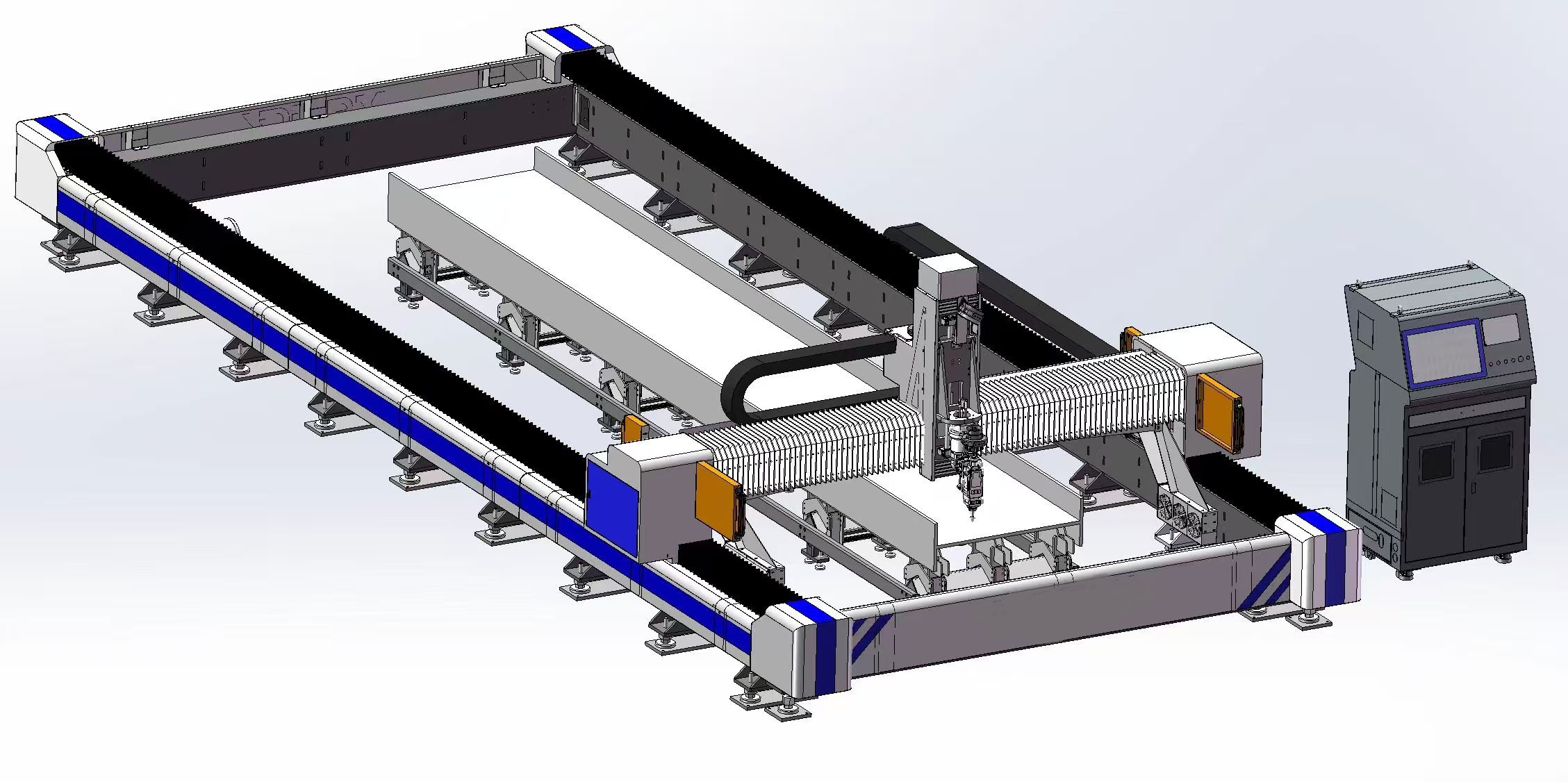
Industrial Application of H-Beam Plasma Cutter
Operational Efficiency and Supply Chain Logistics in Santa Cruz
The strategic location of Santa Cruz provides a unique advantage for mining companies operating in landlocked Bolivia. By establishing high-capacity plasma cutting centers in this region, the industry reduces its dependence on imported pre-cut components from Brazil or Chile. Localizing the customization of wear plates and structural beams minimizes lead times from weeks to days.
From a data-driven perspective, the transition from manual oxy-fuel cutting to automated plasma systems in Santa Cruz has demonstrated a measurable increase in material utilization. Advanced nesting software, synchronized with the plasma cutter, optimizes the layout of parts on a single steel sheet. This reduction in “scrap-to-part” ratios is essential for maintaining cost-efficiency when working with expensive high-alloy steels. Furthermore, the repeatability of CNC plasma cutting ensures that replacement wear plates are identical to the original specifications, facilitating seamless field installation.
Mitigating Mechanical Stress through Precision Kerf Compensation
A critical technical factor in the operation of an H-Beam Plasma Cutter is Kerf Compensation. The kerf is the width of the material removed during the cutting process. In high-thickness mining applications, the plasma arc can exhibit a slight taper. Sophisticated CNC units in Santa Cruz utilize real-time voltage sensing to adjust the torch height and angle, compensating for this taper. This ensures that the vertical edges of a wear plate or the flanges of an H-beam meet the strict tolerances required for high-stress mining environments, where misaligned components can lead to catastrophic structural failure.
Environmental and Safety Standards in Industrial Plasma Operations
Modern plasma cutting facilities in Santa Cruz are increasingly adopting international standards for environmental and occupational safety. The high-energy nature of plasma cutting generates significant particulate matter and ozone. To mitigate this, local fabrication centers are integrating water tables or high-volume downdraft filtration systems. These systems capture the dross and fumes at the source, protecting the workforce and ensuring compliance with evolving environmental regulations in Bolivia. The shift toward automated plasma cutting also enhances safety by removing operators from the immediate vicinity of the thermal arc and heavy material handling, reducing the frequency of industrial accidents.
Concluding Industry Insight: The Future of Andean Mineral Extraction
The integration of the H-Beam Plasma Cutter into the industrial ecosystem of Santa Cruz represents more than a localized technological upgrade; it signifies a shift toward autonomous and high-precision manufacturing within the South American mining sector. As mining depths increase and ore grades fluctuate, the demand for specialized, high-performance equipment will intensify. The ability to rapidly prototype and manufacture customized wear-resistant components locally is no longer a luxury but a fundamental requirement for operational continuity.
Looking forward, the industry is likely to see the convergence of plasma cutting with additive manufacturing and real-time wear monitoring. In this scenario, sensors embedded in mining equipment will signal when a wear plate has reached critical thinning, automatically triggering a production order at a Santa Cruz facility. The H-Beam Plasma Cutter will remain the workhorse of this cycle, providing the speed and accuracy necessary to sustain the rigorous demands of global mineral supply chains. For B2B stakeholders, investing in these localized high-tech fabrication capabilities is the most viable path to reducing Mean Time To Repair (MTTR) and maximizing the lifecycle of capital-intensive mining assets.
Industrial Expertise & Support
Are you looking for high-performance H-Beam Plasma Cutter tailored for the Global market? Our engineering team provides comprehensive solutions for modern manufacturing.