Introduction: The Industrial Shift in Montevideo’s Steel Sector
The industrial landscape of Montevideo, Uruguay, is currently undergoing a significant transformation, driven by the modernization of port infrastructure and the expansion of logistics hubs. Central to this evolution is the adoption of advanced Structural Steel Fabrication technologies. As local enterprises scale their operations to meet global demand, the integration of high-precision machinery has become a prerequisite for competitiveness. The H-Beam Plasma Cutter stands at the forefront of this shift, offering a sophisticated alternative to traditional mechanical sawing and drilling methods.
However, the transition to high-speed thermal cutting introduces specific environmental and occupational challenges. In a global market increasingly governed by stringent Environment, Health, and Safety (EHS) protocols, the focus has shifted from mere throughput to the sustainability and cleanliness of the production floor. For manufacturers in Montevideo, implementing dust-free operation is no longer an optional upgrade but a core requirement for aligning with international ISO standards and protecting human capital.
Technical Architecture of the Modern H-Beam Plasma Cutter
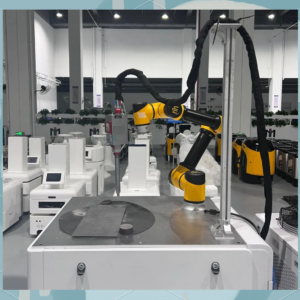
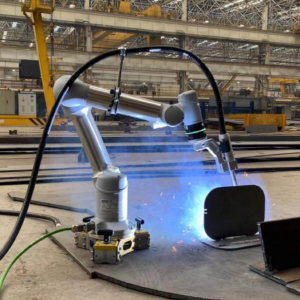
The contemporary H-Beam Plasma Cutter utilized in high-output facilities is a multi-axis CNC system designed to process complex structural shapes, including I-beams, H-beams, channels, and angles. Unlike 2D plate cutters, these systems utilize CNC Robotic Integration to facilitate movement across six to eight axes. This allows the plasma torch to maintain an optimal standoff distance and perpendicularity relative to the workpiece, even when navigating the transitions between the web and the flanges of an H-beam.
Precision and Thermal Control
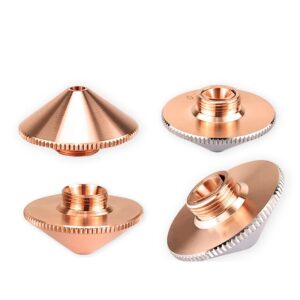
The cutting process involves a constricted electric arc that ionizes pressurized gas (typically oxygen or nitrogen) to create plasma. This plasma is forced through a narrow nozzle at high velocities, reaching temperatures sufficient to melt structural steel instantaneously. Advanced power sources regulate the current density to minimize the Heat Affected Zone (HAZ), ensuring that the structural integrity of the H-beam is maintained. In Montevideo’s heavy industry, where seismic and load-bearing specifications are rigorous, the precision of the kerf and the minimization of thermal distortion are critical technical benchmarks.
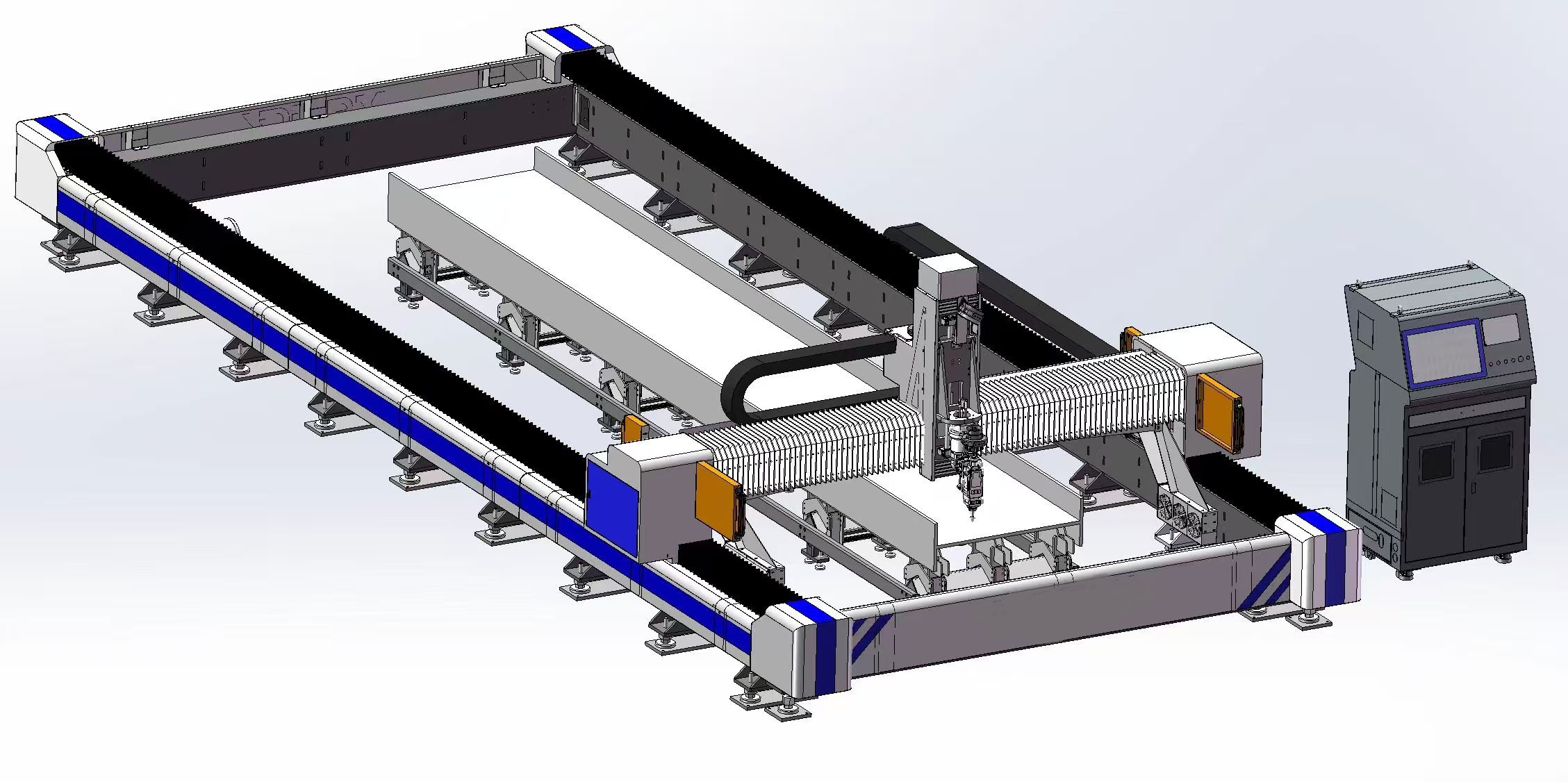
Industrial Application of H-Beam Plasma Cutter
Mechanisms for Dust-Free Operation
Thermal cutting of carbon steel generates significant quantities of airborne particulates, primarily iron oxide, ranging from 0.1 to 5 microns in size. Without intervention, these particles pose severe respiratory risks and can damage sensitive electronic components within the facility. To achieve dust-free operation, modern H-beam cutters integrate high-efficiency Particulate Extraction Systems.
Zoned Downdraft Filtration
The most effective method for dust mitigation in beam processing is the zoned downdraft table. As the robotic arm moves along the length of the beam, sensors activate specific suction zones directly beneath the cutting head. This localized vacuum effect captures fumes and dross at the point of origin before they can dissipate into the ambient air. The extracted air is then moved through a series of flame-retardant cartridge filters.
Pulse-Jet Cleaning and HEPA Integration
To maintain constant static pressure, these systems utilize automated pulse-jet cleaning. Compressed air is fired into the center of the filter cartridges to dislodge accumulated dust into a collection hopper. For facilities in Montevideo aiming for the highest EHS tiers, secondary HEPA filtration can be applied, allowing the cleaned air to be recirculated back into the factory, significantly reducing HVAC energy costs during the winter months.
EHS Standards and Regulatory Compliance in Uruguay
Uruguay has progressively aligned its industrial regulations with international frameworks, emphasizing the reduction of workplace contaminants. Implementing a dust-free H-Beam Plasma Cutter directly addresses the requirements set forth by local labor ministries and international bodies like OSHA and the EU-OSHA.
Mitigating Occupational Exposure Limits (OEL)
The primary objective of dust-free technology is to keep the concentration of respirable dust well below the Permissible Exposure Limits (PEL). Metal fumes, if unmanaged, can lead to conditions such as siderosis or metal fume fever. By utilizing high-velocity extraction, manufacturers ensure that the breathing zone of the operator remains clear of hazardous concentrations. This proactive approach to safety reduces insurance premiums and minimizes downtime associated with health-related absenteeism.
Environmental Stewardship and Waste Management
Beyond the internal environment, the containment of dust prevents the contamination of the surrounding ecosystem. In the port-adjacent industrial zones of Montevideo, preventing the discharge of metallic particulates into the atmosphere is vital for maintaining environmental permits. The collected dry dust from the plasma process can often be pelletized and recycled, contributing to a circular economy model within the structural steel sector.
Operational Efficiency and ROI for the Global Market
While the initial capital expenditure for a dust-free H-beam cutting system is higher than that of a basic setup, the Return on Investment (ROI) is realized through several technical advantages.
Reduced Secondary Processing
High-definition plasma systems produce dross-free cuts that require little to no grinding. When combined with a clean environment, the lifespan of the machine’s linear guides, gear racks, and electronic sensors is significantly extended. Dust is abrasive; by removing it from the atmosphere, the wear and tear on the H-Beam Plasma Cutter itself is reduced, lowering the Total Cost of Ownership (TCO).
Automation and Throughput
Modern systems in Montevideo often feature automated loading and unloading conveyors. A dust-free environment allows for the seamless integration of optical sensors and laser measuring devices that might otherwise be obscured by smoke or debris. This level of automation enables 24/7 operation cycles, allowing Uruguayan firms to compete on large-scale international infrastructure projects where lead times are aggressive.
Industry Insight: The Future of Clean Fabrication
The convergence of robotics and environmental engineering is defining the next generation of structural steel processing. In Montevideo, the adoption of dust-free H-beam plasma cutting is a bellwether for the broader South American industrial sector. As global supply chains prioritize “Green Steel” and sustainable manufacturing footprints, the ability to demonstrate clean, high-precision production becomes a powerful marketing tool for B2B contracts.
The technical trajectory is moving toward “Smart Filtration,” where extraction systems are networked via IoT (Internet of Things) to the plasma power source. These systems will automatically adjust airflow based on the thickness of the material and the gas mix being used, further optimizing energy consumption. For the forward-thinking enterprise in Uruguay, investing in these technologies today ensures relevance in a future where EHS compliance and operational high-performance are inextricably linked. The transition to dust-free operation is not merely a localized trend; it is the global standard for the modern era of heavy fabrication.
Industrial Expertise & Support
Are you looking for high-performance H-Beam Plasma Cutter tailored for the Global market? Our engineering team provides comprehensive solutions for modern manufacturing.