The Evolution of Structural Steel Fabrication in Medellín: Technical Integration of H-Beam Plasma Systems
The industrial landscape of Medellín, Colombia, has undergone a significant transformation, transitioning from traditional manufacturing to a high-tech hub for structural steel processing. At the center of this evolution is the implementation of advanced CNC machinery designed for complex geometries. The adoption of the H-Beam Plasma Cutter within this region is not merely a localized trend but a strategic response to global demands for precision-engineered infrastructure. By integrating high-tier power sources such as IPG and Raycus, fabricators in Medellín are achieving levels of thermal efficiency and cut accuracy that were previously reserved for European or North American facilities. This technical shift focuses on maximizing throughput while ensuring that the machinery retains a high residual value over its operational lifecycle.
Technical Architecture of 3D Profiling Systems
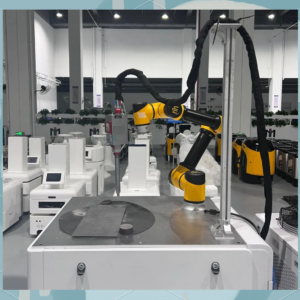
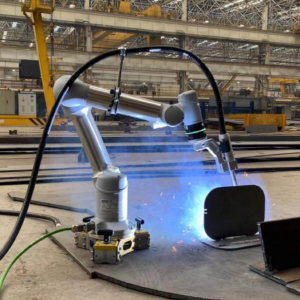
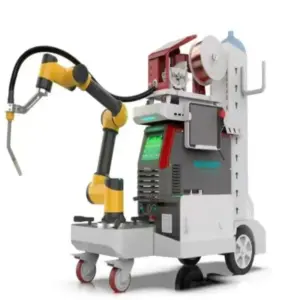
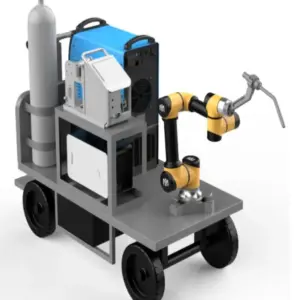
The modern H-Beam plasma cutting system utilized in Colombian heavy industry relies on multi-axis robotic kinematics. Unlike standard 2D plate cutters, these systems utilize a 6-axis or 7-axis robotic arm configuration to navigate the flanges and webs of structural profiles. The integration of CNC robotic profiling allows for the execution of complex cope cuts, bolt holes, and weld preparations in a single pass. This eliminates the need for secondary processes, such as manual drilling or grinding, which are prone to human error and inconsistent tolerances.
The mechanical rigidity of the gantry and the precision of the rack-and-pinion drive systems are critical. In Medellín’s high-altitude environment, thermal expansion coefficients must be accounted for in the machine’s calibration software. High-end units currently deployed utilize absolute encoders to maintain positional accuracy within +/- 0.05mm, ensuring that even the largest H-beams meet the stringent requirements of international building codes (AISC and Eurocodes).
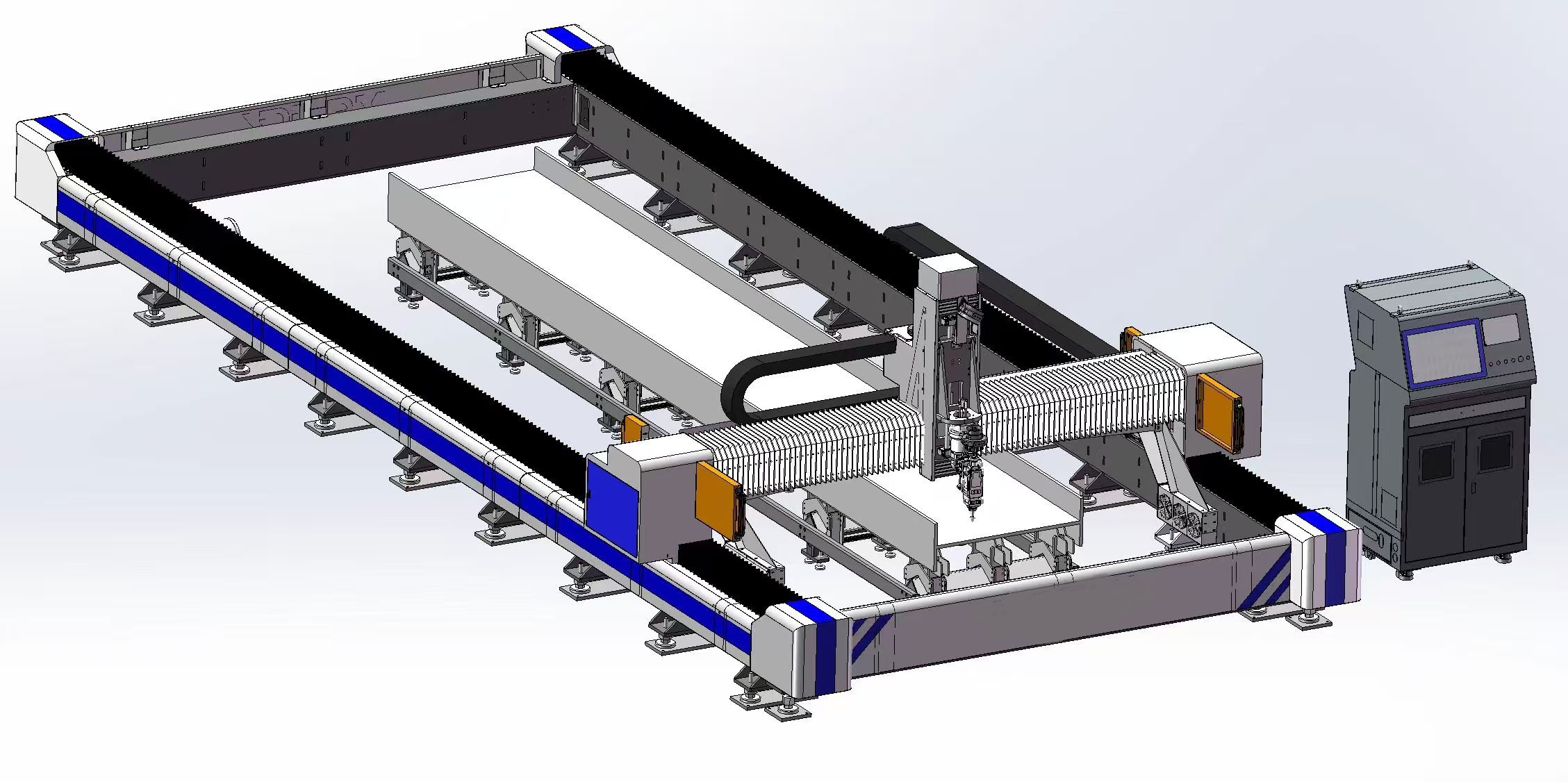
Industrial Application of H-Beam Plasma Cutter
Power Source Synergy: IPG and Raycus Integration
The choice of power source is the primary determinant of both cutting speed and edge quality. While plasma technology traditionally relies on oxygen or nitrogen-based ionized gas, the inclusion of IPG fiber source technology or Raycus equivalents in hybrid systems represents a leap in energy density. These sources provide a stable arc or beam that minimizes the Heat Affected Zone (HAZ), a critical factor in maintaining the metallurgical integrity of high-strength steel.
IPG sources are recognized globally for their high wall-plug efficiency, often exceeding 40%. This reduces operational costs in Medellín, where energy efficiency is a key component of industrial overhead. Raycus sources provide a competitive alternative, offering robust performance in high-humidity environments. Both brands contribute significantly to the machine’s residual value. In the secondary market, a used H-Beam cutter equipped with a verified, well-maintained IPG or Raycus source commands a premium of 25-35% over generic alternatives due to the availability of global service networks and documented MTBF (Mean Time Between Failures) data.
Operational Efficiency and Duty Cycle Optimization
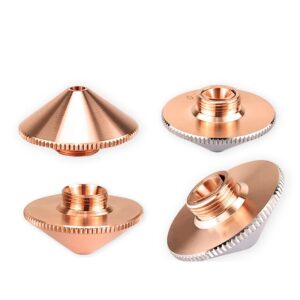
To achieve a high return on investment (ROI), the duty cycle optimization of the plasma cutter is paramount. In a B2B context, the ability to operate at a 100% duty cycle at maximum amperage is the benchmark for industrial-grade equipment. The cooling systems integrated into the Medellín-based units are designed for continuous operation, utilizing closed-loop liquid cooling to protect the torch consumables and the power electronics.
Technical data suggests that using high-end power sources reduces consumable wear by approximately 20% compared to entry-level oscillators. This is achieved through superior arc-starting sequences and precise gas flow control. For a fabrication shop in Colombia exporting to global markets, this translates to lower per-meter cutting costs and more competitive bidding on international structural projects.
Factors Influencing High Residual Value
The residual value of heavy machinery is dictated by its longevity and the relevance of its technology. H-Beam plasma cutters in Medellín are being specified with modular components that allow for future upgrades. The following technical factors ensure these machines remain assets rather than liabilities:
- Structural Integrity: Stress-relieved welded frames that prevent warping over years of heavy loading.
- Software Compatibility: Integration with industry-standard BIM (Building Information Modeling) and TEKLA software for seamless data transfer.
- Component Sourcing: The use of Schneider or Siemens electrical components alongside IPG/Raycus sources ensures that replacement parts are globally accessible.
- Maintenance Documentation: The industrial culture in Medellín has shifted toward rigorous preventative maintenance schedules, which is essential for preserving the resale value of high-precision CNC equipment.
Logistics and Global Market Positioning
Medellín serves as a strategic point for the distribution and operation of these machines. Its proximity to major ports like Buenaventura and Cartagena allows for the efficient import of core components and the export of finished structural components. By leveraging the H-Beam Plasma Cutter, local firms can produce complex steel geometries that meet the standards of the North American and European markets. This capability has positioned Medellín not just as a consumer of high-end technology, but as a center of excellence for structural steel processing in Latin America.
Technical Specifications and Material Versatility
The versatility of these systems extends beyond standard carbon steel. With the precision of IPG and Raycus sources, fabricators can process stainless steel and aluminum alloys with minimal dross. This is particularly relevant for architectural projects where aesthetic finish and structural performance are equally important. The ability to switch between different gas mixtures (Ar/H2, N2, O2) allows the operator to fine-tune the plasma chemistry for specific material thicknesses, ranging from 6mm to 80mm for typical H-beam sections.
Industry Insight: The Shift Toward Autonomous Steel Fabrication
The global structural steel industry is moving toward a “lights-out” manufacturing model, where human intervention is minimized. The data collected from H-Beam plasma cutters in Medellín indicates that the next phase of development will involve the integration of AI-driven nesting algorithms and real-time kerf compensation. This evolution will further decouple the value of the machine from its age, placing more emphasis on its software capabilities and the reliability of its power source. For B2B stakeholders, the focus should remain on procurement strategies that prioritize high-specification components like IPG or Raycus. These are not merely brand preferences but are indicators of a machine’s ability to maintain precision over decades. As the demand for complex, sustainable infrastructure grows, the residual value of such high-fidelity assets will only increase, making them a cornerstone of modern industrial investment.
Industrial Expertise & Support
Are you looking for high-performance H-Beam Plasma Cutter tailored for the Global market? Our engineering team provides comprehensive solutions for modern manufacturing.