Introduction to High-Precision Structural Steel Processing
The global demand for structural steel fabrication has shifted toward automated 3D profiling to meet stringent architectural tolerances and accelerated project timelines. Central to this transition is the H-Beam Plasma Cutter, a specialized CNC system designed to execute complex cuts, bolt holes, and coping on heavy-duty structural profiles. In the industrial corridors of Córdoba, Argentina, a specific manufacturing niche has emerged, focusing on the integration of high-end power sources—specifically IPG and Raycus—into these large-scale machines. This technical analysis explores why these configurations maintain a high residual value and how the engineering standards in Córdoba contribute to the global supply chain of structural steel machinery.
The Technical Synergy of IPG and Raycus Power Sources
While traditional plasma cutting relies on ionized gas, the integration of Fiber Laser Source Integration from industry leaders like IPG Photonics and Raycus has redefined the precision metrics for H-beam processing. IPG sources are recognized for their wall-plug efficiency, often exceeding 40%, which significantly reduces operational overhead. Raycus, conversely, offers a robust price-to-performance ratio, making high-wattage thermal cutting accessible without compromising the duty cycle.
In the context of H-beam processing, the choice of source dictates the heat-affected zone (HAZ). High-stability sources ensure that the metallurgical properties of the steel remain intact, preventing micro-cracking at the edges of bolt holes—a critical factor in seismic-resistant structural design. By utilizing these world-class oscillators, manufacturers in Córdoba ensure that the machine’s core component is serviceable globally, which is a primary driver of the asset’s secondary market value.
Engineering Standards in the Córdoba Industrial Hub
Córdoba, Argentina, serves as a strategic center for mechanical engineering, housing a robust ecosystem of automotive and aerospace suppliers. This industrial heritage translates directly into the construction of H-Beam Plasma Cutter units. The structural frames of these machines are typically subjected to stress-relieving heat treatments to ensure long-term geometric stability. In a 3D profiling environment, where a 6-axis robotic arm or a multi-axis gantry must navigate the flanges and webs of an H-beam, even a millimeter of thermal expansion in the frame can lead to catastrophic tolerance failures.
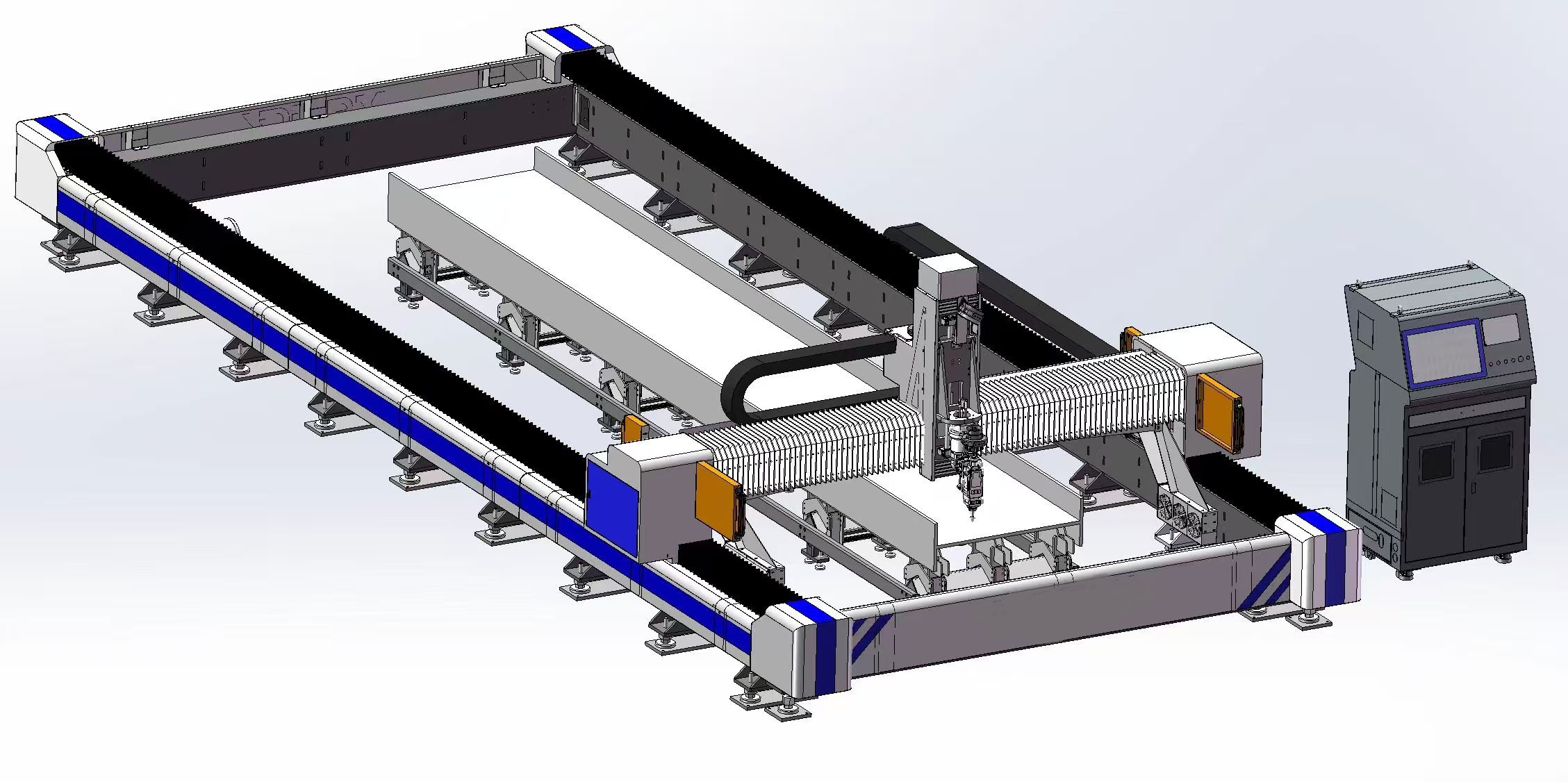
Industrial Application of H-Beam Plasma Cutter
The local engineering expertise in Córdoba emphasizes the use of precision linear guides and helical rack-and-pinion systems sourced from reputable European or Japanese manufacturers. By combining local structural fabrication with international motion control components, these machines achieve a technical balance: they are rugged enough for the harsh environments of South American mining operations yet precise enough for European architectural steel standards.
Operational Efficiency and 6-Axis Robotic Motion Control
The core functionality of a modern H-Beam Plasma Cutter relies on its ability to process all four sides of a beam in a single pass. This is achieved through 6-Axis Robotic Motion Control, which allows the cutting head to tilt and rotate around the workpiece. This eliminates the need for manual flipping of the beam, which is a significant source of labor cost and potential injury in traditional shops.
Technical specifications for these systems often include:
- Automatic beam measurement and compensation for camber and sweep.
- Integration with DSTV files exported from BIM software like Tekla Structures.
- Real-time kerf compensation to ensure hole diameter precision.
- Fume extraction systems designed for high-volume particulate matter.
The software interface used in Córdoba-built machines typically supports open-architecture protocols, allowing for seamless integration into a factory’s existing ERP (Enterprise Resource Planning) system. This data-driven approach to fabrication ensures that every cut is logged, providing a digital twin of the processed beam for quality assurance purposes.
Analyzing Residual Value in the Secondary Market
For B2B investors and fabrication shop owners, the depreciation curve of a H-Beam Plasma Cutter is a vital metric. Machines equipped with IPG or Raycus sources retain a higher percentage of their initial purchase price compared to units using proprietary or “no-name” power supplies. This high residual value is attributed to three main factors:
First, the modularity of the IPG and Raycus units allows for easy upgrades or replacements. If a higher wattage is required five years into the machine’s lifecycle, the swap-out process is documented and supported by a global network of technicians. Second, the structural integrity of the Córdoba-engineered gantry ensures that the mechanical tolerances remain within specification for decades, not just years. Third, the global availability of spare parts for the motion control systems (such as Siemens or Rexroth) means the machine is never rendered obsolete by a lack of components.
Furthermore, Thermal Distortion Mitigation techniques integrated into the machine’s software prevent the long-term warping of the cutting bed and the beam support system. This preservation of mechanical accuracy is what allows a ten-year-old machine to perform with the same precision as a new unit, making it a highly liquid asset in the industrial equipment market.
Logistics and Global Accessibility from Argentina
Sourcing heavy machinery from Córdoba offers unique logistical advantages. The region’s established export routes allow for the shipping of oversized industrial components to North America, Europe, and the Middle East. Manufacturers often provide comprehensive “turnkey” installation packages, which include on-site calibration and operator training. This global service mindset is essential for maintaining the high residual value of the equipment, as it ensures the machine is operated within its engineered parameters from day one.
Concluding Industry Insight: The Shift Toward Hybrid Thermal Processing
The structural steel industry is entering a phase where the distinction between plasma and laser cutting is blurring. We are seeing a move toward Structural Steel Fabrication systems that prioritize versatility over raw speed. The high residual value of machines produced in Córdoba, particularly those utilizing IPG or Raycus sources, reflects a broader industry trend: the prioritization of “up-time” and component universality over low initial acquisition costs.
As AI-driven nesting algorithms become more sophisticated, the mechanical hardware must be capable of executing increasingly complex toolpaths without vibration or deviation. The engineering rigor found in the Córdoba manufacturing sector, combined with the reliability of top-tier fiber and plasma sources, positions these machines as a hedge against technological obsolescence. For the global fabricator, investing in such a system is not merely a capital expenditure but a strategic acquisition of a durable, high-performance asset that will remain relevant as the industry moves toward fully autonomous “lights-out” manufacturing environments.
Industrial Expertise & Support
Are you looking for high-performance H-Beam Plasma Cutter tailored for the Global market? Our engineering team provides comprehensive solutions for modern manufacturing.





