Precision Engineering in the Valle del Cauca: The Rise of Advanced Structural Cutting
Cali, Colombia, has emerged as a critical industrial epicenter for agricultural machinery manufacturing in South America. The region’s focus on sugar cane harvesting and processing requires equipment capable of withstanding extreme mechanical stress and corrosive environments. As manufacturers in the Valle del Cauca transition toward Industry 4.0 standards, the integration of the H-Beam Plasma Cutter has become a focal point for enhancing structural integrity. The primary technical challenge in fabricating these heavy-duty frames is managing the thermal impact on structural steel, specifically regarding the reduction of the Heat Affected Zone (HAZ).
For global B2B stakeholders, the adoption of small HAZ technology in Cali represents a significant shift in the supply chain. By utilizing high-definition plasma systems, Colombian fabricators are producing components that meet international standards for fatigue resistance and dimensional accuracy. This article examines the technical relationship between plasma cutting parameters, metallurgical stability, and the operational lifespan of agricultural machinery.
The Structural Requirements of Agricultural Machinery
Agricultural implements such as harvesters, trailers, and irrigation systems are subjected to cyclic loading and high-torque operations. The chassis of these machines typically rely on H-beams and I-beams to provide the necessary section modulus while minimizing weight. Traditional methods of processing these beams—such as manual oxy-fuel cutting or mechanical sawing—often introduce significant thermal or physical stress.
In the context of Cali’s sugar industry, machinery must operate in high-humidity environments where micro-cracks initiated during the cutting process can lead to accelerated stress corrosion cracking. The precision of the cut and the state of the edge metallurgy are therefore not merely aesthetic concerns but fundamental requirements for equipment longevity. The transition to automated plasma systems allows for complex geometries, including bolt holes, copes, and miters, to be executed with a level of repeatability that manual processes cannot match.
Defining the Heat Affected Zone (HAZ) in Plasma Cutting
The Heat Affected Zone (HAZ) is the area of the base metal that has not been melted but has had its microstructure and mechanical properties altered by the intense heat of the cutting process. In structural steel, excessive heat input can lead to grain growth, the formation of martensite, and a localized increase in hardness. While high hardness might seem beneficial, it often results in increased brittleness, making the beam susceptible to cracking under vibration or impact.
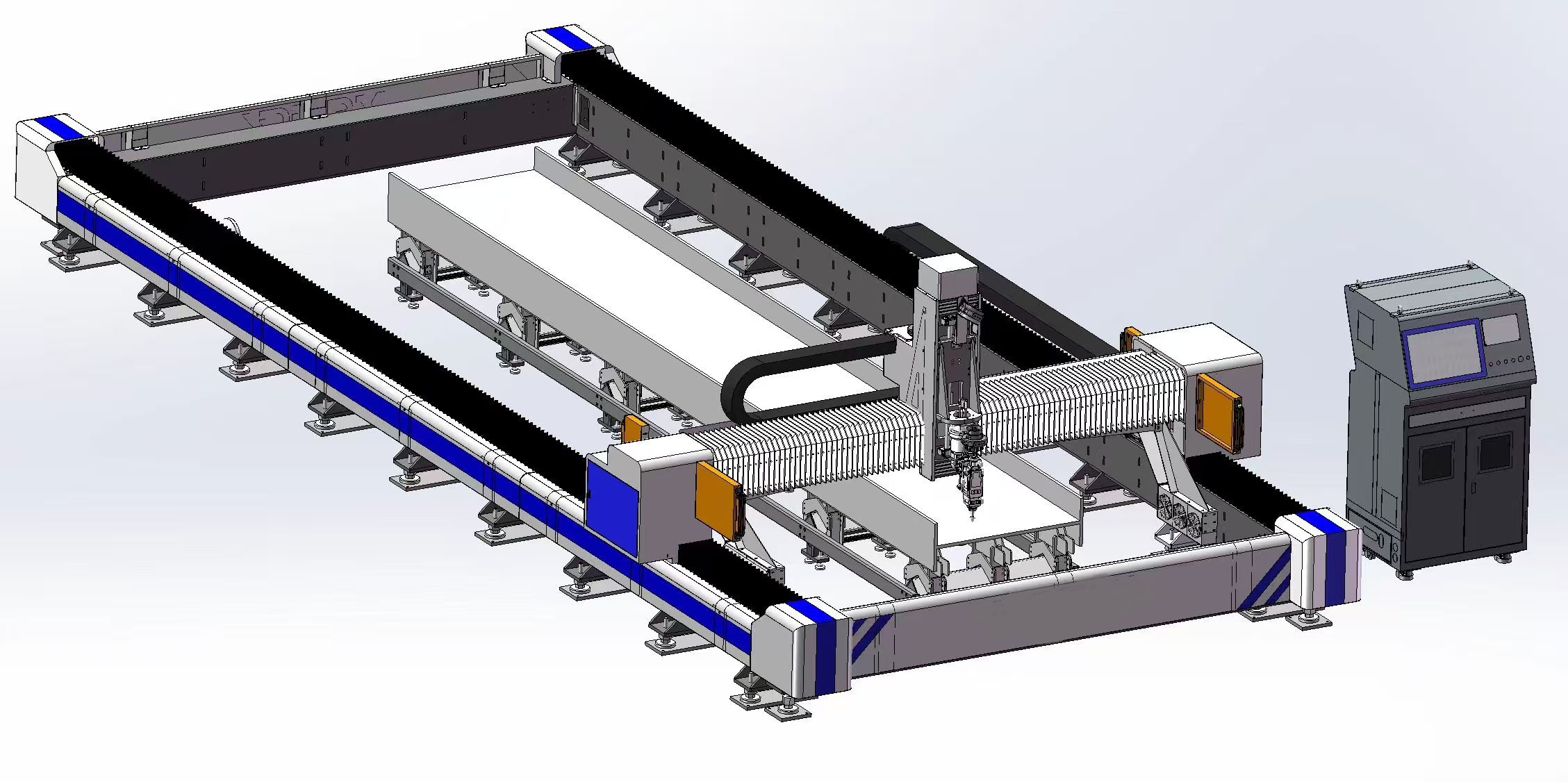
Industrial Application of H-Beam Plasma Cutter
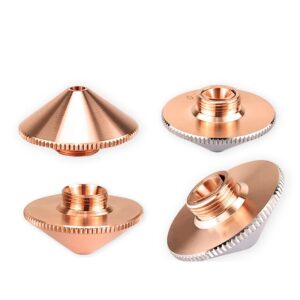
Advanced H-beam plasma systems utilized in Colombian manufacturing hubs employ high-density plasma arcs. These systems narrow the arc through specialized nozzle designs and shielding gas mixtures (such as Oxygen-Air or Argon-Hydrogen). By concentrating the energy into a smaller area and increasing the cutting speed, the total heat input per unit of length is minimized. This results in a significantly narrower HAZ compared to traditional thermal cutting methods. For the agricultural sector, a smaller HAZ ensures that the area surrounding a weld or a bolt hole retains its original ductility and tensile strength.
Technical Specifications of Modern H-Beam Plasma Systems
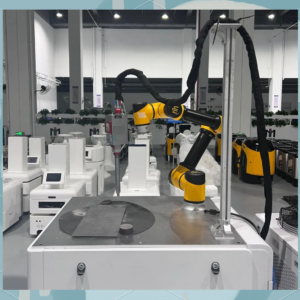
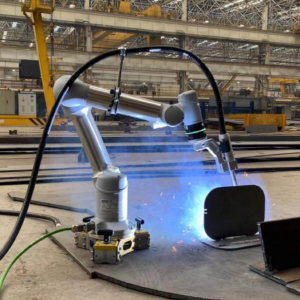
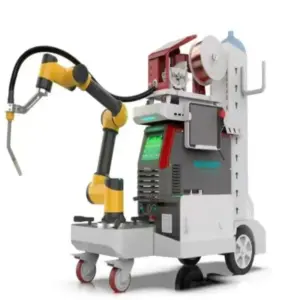
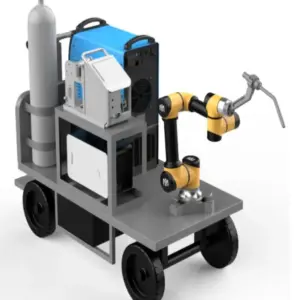
The H-Beam Plasma Cutter units currently being deployed in Cali integrate multi-axis robotic arms or specialized gantry systems. These machines are designed to handle the 3D geometry of structural profiles. Key technical features include:
1. 5-Axis Beveling Heads: These allow for the creation of weld preparations (V, Y, K, and X cuts) in a single pass. By integrating the beveling process into the initial cut, fabricators eliminate the need for secondary grinding, which further reduces the risk of unintended thermal cycling.
2. Torch Height Control (THC): Precision sensors maintain a constant distance between the plasma torch and the beam surface. This is critical for maintaining kerf precision and ensuring that the arc remains stable despite potential deviations in the beam’s straightness.
3. CNC Integration: Computer Numerical Control allows for the direct import of TEKLA or CAD files. This eliminates manual layout errors and ensures that every structural member is cut to tolerances within +/- 0.5mm, which is vital for the automated assembly of large-scale harvester frames.
Mitigating Thermo-Mechanical Fatigue in Agri-Machinery
One of the most significant advantages of small HAZ technology is the mitigation of thermo-mechanical fatigue. In the field, agricultural machinery components expand and contract due to operational heat and ambient temperature shifts. If a beam has a large, brittle HAZ, these thermal cycles can initiate microscopic fractures at the edge of the cut.
By utilizing high-definition plasma cutting, the metallurgical transition from the cut edge to the base metal is much smoother. The localized martensitic layer is kept to a minimum (often less than 0.2mm), which preserves the fatigue life of the component. For manufacturers in Cali exporting to global markets, this technical advantage translates to lower warranty claims and a higher reputation for durability in harsh environments like the Australian outback or the North American plains.
Economic Implications of Advanced Cutting in Colombia
While the initial capital expenditure for a robotic H-beam plasma system is higher than manual equipment, the operational ROI is realized through several channels. First, the reduction in secondary processing—such as grinding, drilling, and deburring—reduces labor hours per ton of steel processed. Second, the nesting capabilities of modern CNC software optimize material usage, reducing scrap rates in high-cost structural steel.
Furthermore, the ability to produce complex structural components locally in Cali reduces the reliance on imported pre-fabricated parts. This strengthens the regional supply chain and allows for rapid prototyping of new machinery designs tailored to specific agricultural needs.
Concluding Industry Insight: The Convergence of Geography and Technology
The industrial landscape of Cali, Colombia, is undergoing a profound transformation. The adoption of the H-Beam Plasma Cutter with small HAZ technology is not merely an incremental upgrade but a strategic alignment with global manufacturing excellence. As the demand for sustainable and high-endurance agricultural machinery grows, the ability to control the metallurgical properties of structural steel at the point of fabrication becomes a competitive moat.
The industry insight for the coming decade suggests that “Value-Added Fabrication” will be the primary differentiator for Latin American manufacturers. By prioritizing the reduction of the Heat Affected Zone and investing in high-precision plasma technology, the Valle del Cauca region is positioning itself as a high-tech hub capable of serving the global agri-machinery market. The focus is shifting from “volume-based” production to “integrity-based” engineering, where the longevity of the machine is engineered into the very first cut of the steel. For global partners, this signals that Cali is no longer just a regional player but a sophisticated node in the high-precision structural steel supply chain.
Industrial Expertise & Support
Are you looking for high-performance H-Beam Plasma Cutter tailored for the Global market? Our engineering team provides comprehensive solutions for modern manufacturing.