Optimization of Structural Steel Fabrication: The Role of H-Beam Plasma Cutting in Cali, Colombia
The industrial landscape of Cali, Colombia, situated within the Valle del Cauca, has evolved into a critical hub for structural steel fabrication and heavy engineering. As the region expands its infrastructure and export capabilities, the demand for high-precision automated cutting solutions has increased. However, industrial operations in this region frequently encounter challenges related to power infrastructure. The deployment of the H-Beam Plasma Cutter in this environment requires more than just mechanical precision; it necessitates robust electrical engineering to mitigate the risks associated with grid instability. This article examines the integration of built-in voltage regulation within plasma systems to ensure operational continuity and metallurgical integrity in structural steel processing.
Technical Specifications of H-Beam Plasma Cutting Systems
The H-Beam Plasma Cutter is a multi-axis CNC system designed to execute complex geometries on structural profiles, including H-beams, I-beams, channels, and angles. Unlike traditional 2D plate cutting, H-beam processing involves a 6-axis robotic arm or a specialized gantry system that allows the plasma torch to rotate and tilt. This capability is essential for creating bolt holes, cope cuts, and weld preparations with high angular accuracy.
The cutting process relies on a high-velocity jet of ionized gas. To maintain the plasma state, the power source must deliver a constant current despite the varying resistance of the arc gap. In a sophisticated Inverter Power Supply, high-frequency switching components regulate the output. When these systems are deployed in regions where the municipal grid experiences voltage sags or surges, the internal components are subjected to significant thermal and electrical stress, which can lead to premature failure of the power modules.
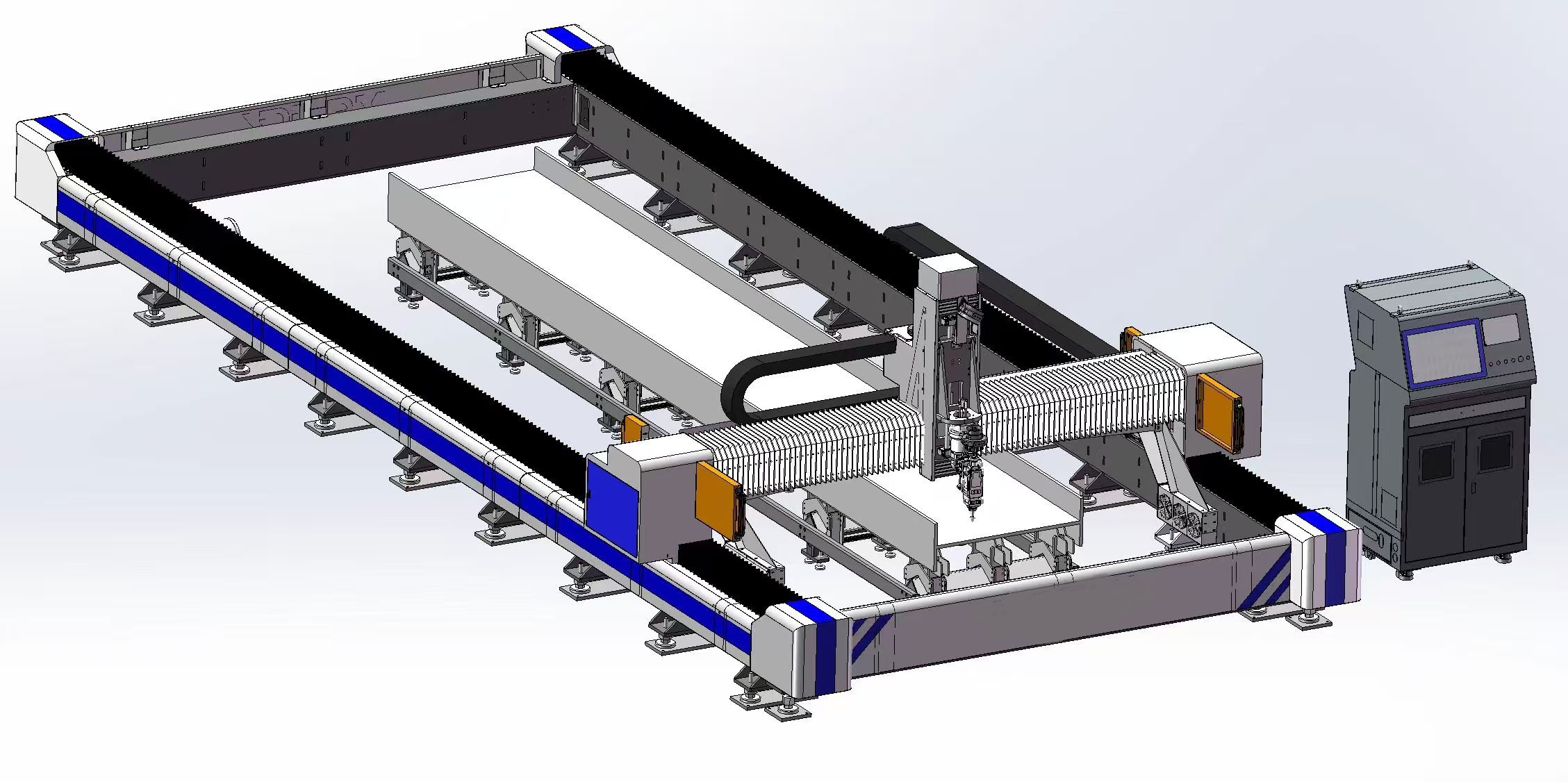
Industrial Application of H-Beam Plasma Cutter
Grid Stability Challenges in Industrial Districts
Industrial zones in developing metropolitan areas often face fluctuations in line voltage due to heavy inductive loads from neighboring facilities. In Cali, the concentration of sugar mills, paper plants, and manufacturing units creates a dynamic load environment. Voltage fluctuations typically manifest as transient spikes or sustained undervoltage conditions. For a standard plasma system, a 10% drop in input voltage can result in a proportional decrease in arc density, leading to incomplete penetration or excessive dross formation on the workpiece.
Furthermore, harmonic distortion within the grid can interfere with the sensitive CNC electronics and the Pulse Width Modulation (PWM) controllers that manage the motor drives. Without adequate regulation, these disturbances result in jitter during the cutting path, compromising the dimensional tolerances required for high-spec structural assemblies.
Built-in Voltage Regulation: Engineering Resilience
To address these environmental variables, modern H-beam cutting systems designed for the global market now incorporate integrated Automatic Voltage Regulation (AVR). This circuitry is engineered to normalize input power before it reaches the primary rectification stage of the inverter. The technical advantages of this integration include:
1. Wide Input Voltage Tolerance: Systems equipped with advanced regulation can often handle input variances of +/- 15% to 20%. This ensures that even during peak demand periods on the Cali grid, the plasma arc remains stable.
2. Protection of IGBT Modules: Insulated-Gate Bipolar Transistors (IGBTs) are the core of the inverter circuit. Voltage spikes are a primary cause of IGBT puncture. Built-in regulation acts as a buffer, clamping transient voltages and extending the mean time between failures (MTBF) for the power source.
3. Consistent Arc Striking: High-frequency or lift-arc starting mechanisms require precise voltage levels to ionize the gas column. Stable input ensures reliable arc ignition, reducing the wear on start-up consumables and preventing cycle interruptions.
Impact on Kerf Quality and Consumable Longevity
In the context of B2B heavy fabrication, the cost of consumables (nozzles, electrodes, and shields) represents a significant portion of operational expenditure. When voltage fluctuates, the plasma arc tends to wander or fluctuate in temperature. This instability causes asymmetrical wear on the nozzle orifice, which widens the kerf and degrades the squareness of the cut. In an H-Beam Plasma Cutter, where the torch may be cutting at an angle for a bevel, any deviation in arc stability is magnified.
By stabilizing the voltage, the system maintains a constant energy density. This results in a cleaner cut with a smaller heat-affected zone (HAZ). For fabricators in Cali supplying the construction or mining sectors, this means reduced secondary grinding operations and better fit-up during the assembly of large-scale steel structures.
Data-Driven Efficiency in Localized Operations
Implementing a system with built-in regulation also allows for better integration of IoT and monitoring software. Modern CNC controllers can log power quality data in real-time. By analyzing this data, plant managers in the Valle del Cauca can identify patterns in grid instability and adjust production schedules or maintenance intervals accordingly. This level of technical oversight transforms the cutting process from a reactive mechanical task into a proactive, data-driven component of the supply chain.
The transition to automated H-beam cutting also addresses labor shortages in high-skill welding and layout roles. A single operator can manage the processing of multiple tons of steel per shift, provided the equipment is shielded from the external variables of the local power environment.
Concluding Industry Insight: The Global Shift Toward Grid-Agnostic Machinery
The deployment of the H-Beam Plasma Cutter in Cali, Colombia, serves as a microcosm for a broader trend in global industrial engineering: the shift toward grid-agnostic machinery. As manufacturing continues to decentralize and move into emerging markets, equipment manufacturers can no longer assume a “clean” or “infinite” power supply. The integration of robust voltage regulation, harmonic filtering, and resilient power electronics is becoming a standard requirement rather than an optional feature.
For the B2B sector, the takeaway is clear: the total cost of ownership (TCO) of high-end fabrication machinery is increasingly tied to its ability to withstand environmental and infrastructural volatility. Investing in systems that internalize power management not only protects the hardware but also guarantees the consistency of the final product. As global infrastructure projects demand tighter tolerances and faster delivery cycles, the ability to maintain peak performance regardless of local grid conditions will be the primary differentiator for successful steel fabricators.
Industrial Expertise & Support
Are you looking for high-performance H-Beam Plasma Cutter tailored for the Global market? Our engineering team provides comprehensive solutions for modern manufacturing.





