Integration of CNC Pipe Laser Machine Technology in Mendoza’s Industrial Sector
The industrial landscape of Mendoza, Argentina, traditionally recognized for its viticulture and primary resource extraction, is currently undergoing a significant transition toward high-precision metal fabrication. Central to this evolution is the deployment of the CNC Pipe Laser Machine, a system that integrates fiber laser technology with multi-axis motion control to process tubular profiles with micron-level accuracy. As global supply chains demand higher tolerances and faster lead times, the adoption of these machines in South American hubs is no longer optional but a prerequisite for international competitiveness. This transition is heavily influenced by the rigorous Environment, Health, and Safety (EHS) standards that govern modern manufacturing, focusing specifically on the mitigation of airborne particulates and operational efficiency.
The Technical Architecture of Dust-Free Laser Processing
A primary concern in thermal cutting processes is the generation of fine metallic dust and noxious fumes. In the context of Mendoza’s manufacturing facilities, maintaining air quality is critical for compliance with both local and international labor regulations. The modern Fiber Laser Resonator employed in pipe cutting utilizes a concentrated beam of light to melt and vaporize material. To achieve a dust-free operation, the machine architecture must incorporate a high-velocity extraction system synchronized with the cutting head’s movement.
The extraction process begins at the point of kerf formation. As the laser penetrates the pipe wall, a pressurized assist gas (typically Oxygen or Nitrogen) expels the molten material. In an unshielded environment, this creates a plume of particulate matter. Modern CNC systems in Mendoza utilize a specialized internal suction mechanism that travels within the pipe or is positioned directly beneath the chuck. This ensures that the byproduct is captured before it can disperse into the facility’s atmosphere. The captured matter is then routed through a multi-stage filtration unit, often utilizing HEPA filters or cyclone separators to isolate metallic particles from the air stream.
EHS Compliance and Worker Safety Metrics
The implementation of dust-free technology is a direct response to EHS mandates that seek to eliminate respiratory hazards such as metal fume fever and long-term pulmonary complications associated with stainless steel and aluminum processing. By utilizing a Fume Extraction System with a high CADR (Clean Air Delivery Rate), facilities in Mendoza can maintain indoor air quality levels that meet ISO 14001 and ISO 45001 standards.

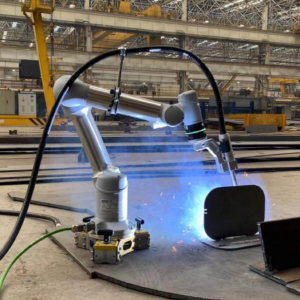
Industrial Application of CNC Pipe Laser Machine
Beyond air quality, the CNC Pipe Laser Machine contributes to EHS through the reduction of manual material handling. Automated loading and unloading cycles minimize the risk of musculoskeletal injuries. Furthermore, the enclosed nature of the fiber laser—often categorized as a Class 1 laser environment when fully shielded—protects operators from reflected radiation and high-intensity light. This level of safety is essential for companies aiming to secure contracts with global partners who audit the safety protocols of their secondary tier suppliers.
Operational Efficiency and Material Versatility
In Mendoza’s industrial zones, the versatility of the CNC pipe laser allows for the processing of various geometries, including round, square, rectangular, and elliptical profiles. The technical advantage lies in the integration of the Automated Material Handling system, which reduces the cycle time between individual pipe segments. When compared to traditional mechanical sawing or plasma cutting, the laser process eliminates the need for secondary deburring or finishing.
The precision of the fiber laser ensures that the Heat Affected Zone (HAZ) is minimized. This is particularly important for the structural integrity of components used in the mining and wine-processing equipment industries prevalent in the Cuyo region. A smaller HAZ means the metallurgical properties of the pipe remain consistent, reducing the likelihood of stress fractures or corrosion at the cut site. This technical superiority translates to a lower Total Cost of Ownership (TCO) by reducing waste and energy consumption per unit produced.
Data-Driven Maintenance and System Longevity
Modern CNC systems are equipped with sensors that monitor the efficiency of the dust collection system in real-time. Differential pressure sensors across the filters alert operators when maintenance is required, preventing the degradation of air quality. In the dry, often dusty environment of Mendoza, the integrity of the machine’s internal components—such as the linear guides and the rack-and-pinion drive—is protected by the vacuum created by the extraction system. By preventing metallic dust from settling on these precision components, the machine maintains its positional accuracy over a longer operational lifespan.
Strategic Implementation in the South American Market
For B2B stakeholders, the investment in a CNC pipe laser in Argentina involves evaluating the local infrastructure and technical support. The shift toward dust-free operation is not merely an environmental gesture but a strategic move to optimize the factory floor. Clean operations allow for the placement of high-precision electronics and sensitive measuring equipment in closer proximity to the fabrication line without the risk of contamination. This “lean” layout reduces internal logistics and streamlines the production flow from raw material to finished assembly.
Concluding Industry Insight
The global manufacturing sector is moving toward a “Green Fabrication” model where the environmental footprint of a facility is as scrutinized as its output capacity. In Mendoza, the adoption of dust-free CNC pipe laser technology represents a localized response to this global trend. As international standards for EHS become more stringent, facilities that fail to integrate advanced filtration and automated safety protocols will find themselves excluded from high-value supply chains. The future of metal fabrication in South America lies in the synergy between high-power fiber optics and sophisticated environmental controls. By prioritizing dust-free operations, manufacturers in Mendoza are not only protecting their workforce but are also positioning themselves as vital, sustainable nodes in the global industrial network. The data suggests that the transition to these cleaner, more precise technologies results in a 20-30 percent increase in operational uptime by reducing the maintenance requirements associated with particulate contamination.
Industrial Expertise & Support
Are you looking for high-performance CNC Pipe Laser Machine tailored for the Global market? Our engineering team provides comprehensive solutions for modern manufacturing.