Strategic Implementation of CNC Pipe Laser Machine Technology in the Medellín Industrial Sector
The industrial landscape of Medellín, Colombia, has undergone a significant transformation, transitioning from traditional mechanical fabrication to high-precision automated systems. Central to this evolution is the deployment of the CNC Pipe Laser Machine, a critical asset for sectors involving structural steel, automotive manufacturing, and HVAC systems. As global supply chains face increasing volatility, the integration of localized technical support and immediate spare parts availability has become a prerequisite for maintaining operational uptime. This article examines the technical specifications of fiber laser pipe cutting and the logistics of maintaining a 24-hour service response within the Andean regional hub.
Technical Architecture and Motion Control Systems
The modern pipe laser system utilizes a Fiber Laser Resonator to deliver high-density energy via flexible fiber optics to a cutting head. Unlike CO2 systems, fiber lasers operate at a wavelength of approximately 1.06 microns, which allows for superior absorption rates in reflective metals such as aluminum, brass, and copper, in addition to standard carbon and stainless steels. The motion control system in these machines typically involves a multi-axis configuration, including the X, Y, and Z axes for head positioning, and a rotational A and B axis for the chuck system.
Precision in pipe cutting is dictated by the synchronization between the rotary chucks and the longitudinal movement of the laser head. High-performance units in Medellín now utilize Automatic Centering Pneumatic Chucks, which apply consistent clamping force regardless of the pipe’s wall thickness. This prevents deformation in thin-walled tubes while ensuring the center of rotation remains constant, a critical factor for maintaining tolerances within ±0.05mm over the length of the workpiece.

Industrial Application of CNC Pipe Laser Machine
Localized Spare Parts: Mitigation of Operational Latency
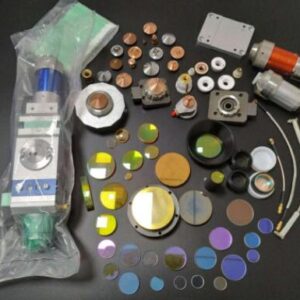
In a globalized manufacturing environment, the primary bottleneck for CNC operations is the lead time associated with critical components. By establishing a localized inventory of spare parts in Medellín, manufacturers eliminate the 5-to-10-day delay typically associated with international customs and logistics. The local repository focuses on high-wear components and critical electronic modules, including:
1. Optical Consumables: Protective windows, focal lenses, and ceramic rings are susceptible to thermal stress and debris accumulation. Local availability ensures that a contaminated lens does not result in a multi-day production halt.
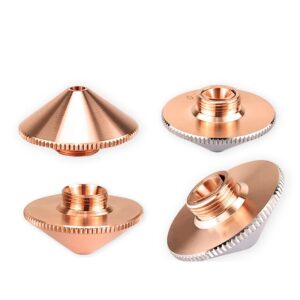
2. Cutting Nozzles: Variations in material type and thickness require specific nozzle geometries. A localized stock allows for immediate optimization of the gas flow dynamics for different production runs.
3. Electronic Sensors: Capacitive height sensors, which maintain the distance between the nozzle and the workpiece, are sensitive components. Having these units on-site in Medellín allows for immediate replacement in the event of a collision or electrical surge.
The 24h Service Response Protocol
Technical support for a CNC Pipe Laser Machine must transcend basic troubleshooting. A 24-hour service response commitment in the Medellín region is structured around a tiered diagnostic approach. Upon the reporting of a fault, remote telemetry is utilized to access the machine’s PLC (Programmable Logic Controller) logs. This allows field engineers to identify whether the issue is software-related, such as a nesting error or parameter mismatch, or a hardware failure.
If a hardware intervention is required, the proximity of service engineers within the Medellín metropolitan area ensures on-site arrival within a single work shift. This rapid response is critical for industries operating on Just-In-Time (JIT) manufacturing cycles, where a 24-hour delay can disrupt the entire downstream assembly line. The service protocol includes recalibration of the optical path and verification of the Kerf Compensation settings to ensure the machine returns to its peak efficiency immediately following the repair.
Nesting Software and Material Utilization
Efficiency in pipe laser cutting is not solely a function of wattage or travel speed; it is heavily dependent on the nesting algorithms used to arrange parts on a raw tube. Advanced software integrated into Medellín’s CNC systems allows for “common line cutting,” where two parts share a single cut path, reducing both processing time and gas consumption. The software also manages “weld seam detection,” using sensors to identify the longitudinal weld on a pipe and rotating the part automatically to ensure the seam does not interfere with complex geometries or structural holes.
Gas Dynamics and Cutting Quality
The choice of assist gas—typically Oxygen (O2), Nitrogen (N2), or Compressed Air—is fundamental to the metallurgy of the cut edge. Nitrogen is preferred for stainless steel to prevent oxidation, resulting in a clean, weld-ready surface. In Medellín’s industrial applications, the integration of high-pressure gas booster systems allows the CNC Pipe Laser Machine to maintain consistent pressure at the nozzle, which is essential for dross-free cutting in thicker sections of carbon steel. The localized technical team provides specific pressure-flow charts calibrated for the atmospheric conditions of Medellín, as altitude can marginally affect gas density and cooling rates.
Integration with Industry 4.0
The current generation of pipe lasers in the Colombian market is increasingly equipped with IoT (Internet of Things) capabilities. These systems monitor real-time data such as power consumption, gas pressure, and diode temperature. By analyzing this data, maintenance shifts from reactive to predictive. For instance, a gradual increase in the temperature of the laser source may indicate a degradation in the chilling system’s efficiency, allowing for maintenance to be scheduled before a critical failure occurs. This data-driven approach is a cornerstone of the professional service offered in the region, ensuring that the machine operates within its optimal thermal and mechanical parameters.
Concluding Industry Insight: The Shift Toward Regional Technical Hubs
The industrial sector is witnessing a decisive move away from centralized global service models toward decentralized regional hubs. The establishment of robust technical support and spare parts inventories for CNC pipe laser machines in Medellín is a prime example of this trend. As manufacturing complexity increases, the value of a machine is no longer measured solely by its technical specifications, but by the reliability of its support ecosystem.
For the global B2B market, the Medellín model demonstrates that localized expertise is the most effective hedge against macroeconomic disruptions. The ability to provide a 24-hour response and immediate component replacement does more than just reduce downtime; it provides manufacturers with the operational confidence to pursue more complex, high-margin projects. Looking forward, the integration of AI-driven diagnostics and further localization of the supply chain will likely become the standard for high-performance metal fabrication hubs worldwide. The synergy between advanced hardware and localized technical infrastructure remains the most critical factor in achieving sustainable industrial growth.
Industrial Expertise & Support
Are you looking for high-performance CNC Pipe Laser Machine tailored for the Global market? Our engineering team provides comprehensive solutions for modern manufacturing.