Industrial Evolution in the Valle del Cauca: Precision Pipe Processing
The industrial landscape of Cali, Colombia, is undergoing a significant transition toward high-precision manufacturing. As a primary hub for pharmaceutical production, food processing, and chemical manufacturing in the Andean region, the demand for high-specification infrastructure has necessitated a shift from traditional abrasive cutting methods to advanced laser systems. Central to this evolution is the implementation of the Small Diameter Pipe Laser, a technology designed to meet the rigorous tolerances required by modern engineering while adhering to stringent Environment, Health, and Safety (EHS) protocols.
Traditional mechanical sawing and plasma cutting methods historically utilized in the region often resulted in significant material waste and secondary finishing requirements. In contrast, fiber laser technology provides a non-contact solution that eliminates mechanical stress on the workpiece. For Cali’s burgeoning industrial sector, this precision is not merely an operational advantage but a requirement for maintaining international competitiveness in global supply chains.
Technical Specifications of Small Diameter Pipe Laser Systems
The integration of laser systems for pipes with diameters typically ranging from 10mm to 120mm involves sophisticated fiber laser resonators. These systems operate at wavelengths—usually around 1.06 microns—that are highly absorbed by metallic substrates, including stainless steel, aluminum, and brass. The high power density of the laser beam allows for rapid vaporization of the material, resulting in a narrow kerf and minimal Thermal Distortion Control.

Industrial Application of Small Diameter Pipe Laser
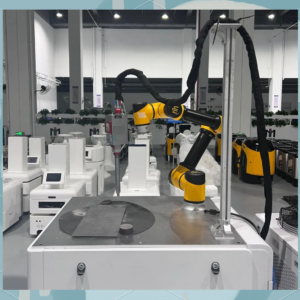
In the context of Cali’s manufacturing facilities, these machines are often equipped with automated loading systems and high-speed chucking mechanisms. The synchronized movement between the laser head and the rotating pipe is managed via multi-axis CNC controllers, ensuring that complex geometries, such as saddle cuts, miters, and intricate perforations, are executed with a repeatability of +/- 0.05mm. This level of precision is critical for the assembly of fluid transport systems in the pharmaceutical industry, where internal seam alignment is paramount.
Dust-Free Operation and EHS Compliance
One of the most critical challenges in metal fabrication is the management of airborne particulates. Traditional grinding and cutting generate significant volumes of metallic dust and smoke, which pose respiratory risks to operators and can contaminate sterile production environments. The modern laser systems deployed in Cali address this through integrated Sub-micron Particulate Filtration units.
These filtration systems utilize high-efficiency particulate air (HEPA) technology and activated carbon stages to capture 99.97% of emissions at the point of generation. By maintaining a vacuum within the cutting enclosure, the system prevents the escape of metallic oxides into the facility’s atmosphere. This “dust-free” operation is essential for compliance with Colombian SST (Seguridad y Salud en el Trabajo) regulations and international ISO 14001 standards. Furthermore, the absence of abrasive dust extends the lifespan of neighboring precision machinery by preventing the infiltration of conductive particles into electronic cabinets.
Material Integrity and Secondary Process Elimination
The use of a Small Diameter Pipe Laser significantly reduces the Heat Affected Zone (HAZ). In thin-walled piping, excessive heat input can lead to grain structure alteration, reducing the corrosion resistance of stainless steel alloys like 316L. By utilizing high-frequency pulsing and optimized gas assistance (typically Nitrogen or Oxygen), the laser minimizes the thermal footprint on the material.
For B2B operations in Cali, this translates to the elimination of secondary deburring and cleaning processes. Pipes emerge from the laser system with finished edges ready for orbital welding. In a high-volume production environment, the removal of these manual steps reduces labor costs and shortens lead times. The precision of the laser-cut edge also ensures a superior fit-up during the welding phase, which is vital for high-pressure applications where joint integrity cannot be compromised.
Operational Efficiency in the Colombian Market
The economic viability of laser pipe processing in Colombia is bolstered by the reduction in raw material waste. Advanced nesting software optimizes the layout of parts on a single length of pipe, minimizing the “remnant” or scrap material. Given the fluctuating costs of imported alloys in the Latin American market, Kerf Width Optimization provides a direct impact on the bottom line by maximizing material utilization.
Furthermore, the energy efficiency of fiber laser sources compared to older CO2 variants aligns with the regional push toward sustainable manufacturing. Fiber lasers convert a higher percentage of electrical energy into light, resulting in lower operational costs and a reduced carbon footprint for the facility. This efficiency is a key selling point for Cali-based firms seeking to achieve “Green Factory” certifications and attract international partners who prioritize sustainable procurement.
Implementation Challenges and Calibration
While the benefits are clear, the deployment of such technology in Cali requires specialized technical support and stable power infrastructure. Local integrators must ensure that the machines are calibrated for the specific atmospheric conditions of the Valle del Cauca, including humidity levels that can affect optical components if not properly managed through pressurized and chilled beam delivery paths. Automated Material Handling systems must also be calibrated to handle variations in pipe straightness and wall thickness tolerances often found in regionally sourced materials.
Training local technicians to operate and maintain these CNC systems is a critical component of the technology transfer. The transition from manual fabrication to digital manufacturing requires a workforce proficient in CAD/CAM software and laser safety protocols. This investment in human capital is what ultimately sustains the technological advantage provided by the hardware.
Industry Insight: The Future of Andean Manufacturing
The adoption of dust-free, high-precision pipe laser technology in Cali is indicative of a broader trend across the Andean Community. As global manufacturers seek to diversify their production bases and “near-shore” operations closer to North American markets, regions that offer sophisticated, EHS-compliant fabrication capabilities will emerge as leaders. The move toward dust-free operation is no longer an optional “premium” feature but a baseline requirement for participation in high-tech sectors such as biotechnology and aerospace components.
Looking forward, the integration of Artificial Intelligence (AI) in laser monitoring systems will likely be the next frontier for Cali’s industrial sector. Real-time sensors that monitor cut quality and predict maintenance needs will further reduce downtime. For now, the successful implementation of small diameter pipe lasers sets a new benchmark for technical excellence and environmental responsibility in Colombian manufacturing, proving that high-output industrial growth and rigorous EHS standards are not mutually exclusive but are, in fact, complementary drivers of modern economic development.
Industrial Expertise & Support
Are you looking for high-performance Small Diameter Pipe Laser tailored for the Global market? Our engineering team provides comprehensive solutions for modern manufacturing.