Optimization of Precision Metal Fabrication in the Antofagasta Industrial Corridor
The industrial landscape of Antofagasta, Chile, traditionally dominated by large-scale mining operations, is undergoing a significant technological pivot toward high-precision manufacturing. As global furniture markets demand tighter tolerances and superior aesthetic finishes, regional exporters are increasingly adopting advanced fiber laser systems. Specifically, the integration of Small Diameter Pipe Laser technology has become a critical factor in meeting the stringent quality benchmarks required by international furniture retailers. This transition from conventional mechanical sawing to automated laser processing allows for the production of components that are ready for immediate assembly or coating, effectively eliminating the bottlenecks associated with traditional fabrication methods.
For furniture exporters operating out of Northern Chile, the ability to process thin-walled tubing with high repeatability is paramount. The global supply chain for high-end office and residential furniture requires components—ranging from 10mm to 60mm in diameter—that exhibit zero structural or cosmetic defects. The implementation of specialized laser systems in Antofagasta provides a localized solution that leverages the city’s strategic port access, allowing manufacturers to transform raw materials into high-value finished goods for the Pacific Rim and European markets.
Technical Specifications of Small Diameter Pipe Laser Systems
The core efficiency of these systems lies in the Fiber Laser Resonator, which generates a high-density beam capable of cutting various alloys, including stainless steel, aluminum, and carbon steel. Unlike CO2 lasers, fiber lasers operate at a wavelength of approximately 1.07 microns, which is more readily absorbed by metals, resulting in higher cutting speeds and reduced energy consumption. For small diameter pipes, the laser must maintain a consistent focal point despite the rapid rotation of the workpiece. This is achieved through high-speed CNC synchronization between the chuck rotation and the laser head movement.
Advanced systems utilized in the Antofagasta region feature specialized chucks designed to minimize material deformation. When processing thin-walled tubes (often 0.8mm to 2.0mm in thickness), excessive clamping force can distort the profile. Modern laser cutters utilize pneumatic or electric precision chucks that provide sufficient grip for high-speed rotation while maintaining the integrity of the pipe’s geometry. Furthermore, the integration of Automated Bundle Loading systems ensures that the transition between raw stock and processed parts is seamless, maximizing the duty cycle of the machine and reducing labor-related overhead.
Eliminating Secondary Processes: The Burrs-free Advantage
In the furniture industry, the presence of burrs or dross on cut edges is a significant failure point. Mechanical cutting methods, such as cold saws or band saws, inevitably leave jagged edges that require manual deburring, grinding, or tumbling. This not only increases the cost per part but also introduces variability in the finish. The Small Diameter Pipe Laser utilizes high-pressure assist gases—typically Nitrogen for stainless steel or Oxygen for carbon steel—to expel molten material from the kerf instantly. This process results in a clean, oxide-free edge that is critical for high-quality welding and powder coating.

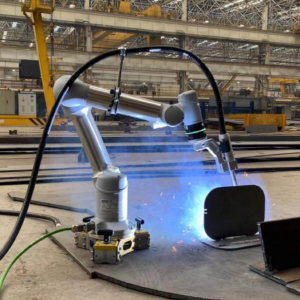
Industrial Application of Small Diameter Pipe Laser
The thermal impact on the material is also minimized. By utilizing a narrow Heat-Affected Zone (HAZ), the laser ensures that the structural properties of the metal remain unchanged near the cut site. This is particularly vital for furniture components that rely on structural integrity, such as chair frames or modular shelving units. For exporters in Antofagasta, delivering “ready-to-weld” components means that their clients in the global market can bypass secondary cleaning stages, significantly shortening the overall manufacturing lead time.
Precision Engineering for Complex Furniture Geometries
Modern furniture design frequently incorporates complex intersections and non-linear aesthetics. Traditional fabrication is often limited to 90-degree or simple miter cuts. In contrast, laser technology allows for the execution of intricate “fish-mouth” joints, saddle cuts, and decorative perforations with micron-level accuracy. The software controlling these lasers can automatically calculate Kerf Compensation, ensuring that interlocking parts fit together with zero clearance. This level of precision is essential for the “Ready-to-Assemble” (RTA) furniture sector, where end-user assembly depends on perfectly aligned pre-drilled holes and notches.
Furthermore, the capability to engrave part numbers or assembly guides directly onto the pipe during the cutting process adds value for the exporter. This traceability is a requirement for many B2B contracts in the European and North American markets, where quality management systems (ISO 9001) demand rigorous documentation of every component throughout the production cycle.
Strategic Logistics and Economic Impact in Antofagasta
Antofagasta serves as a logistical nexus, connecting the mineral-rich interior with global maritime routes. By establishing high-tech laser cutting hubs in this region, manufacturers can capitalize on the proximity to raw material sources and the Port of Antofagasta. The reduction in scrap material—achieved through advanced nesting algorithms that optimize the layout of parts on a single length of pipe—directly improves the profit margins for exporters. When shipping costs are calculated by weight and volume, the ability to export precision-cut, nested components rather than bulky, semi-finished frames provides a clear competitive advantage.
The economic shift toward specialized manufacturing also fosters a skilled workforce within Chile. Operating and maintaining fiber laser systems requires technical expertise in CNC programming and optoelectronics, moving the local labor market toward higher-value industrial roles. This technological maturity makes Antofagasta an attractive partner for global furniture brands looking to diversify their manufacturing bases away from traditional hubs in Asia.
Concluding Industry Insight: The Future of Chilean Fabrication
The integration of small diameter pipe laser technology in Antofagasta represents more than just a localized upgrade; it is indicative of a broader trend toward decentralized, high-precision manufacturing. As global furniture exporters face increasing pressure to reduce carbon footprints and lead times, the ability to produce burrs-free, high-tolerance components closer to the source of raw materials or strategic shipping lanes is invaluable. The industry is moving toward a “digital-to-fabrication” model where CAD designs are sent across the globe and executed with identical precision in any location equipped with fiber laser technology.
In the coming decade, we expect to see further integration of artificial intelligence in these laser systems, allowing for real-time monitoring of beam quality and autonomous adjustment for material variations. For Antofagasta, maintaining this trajectory of technical adoption will be essential to transitioning from a mining-dependent economy to a diversified industrial powerhouse. Furniture exporters who leverage these burrs-free, high-efficiency systems today are positioning themselves at the forefront of a more agile and quality-centric global supply chain.
Industrial Expertise & Support
Are you looking for high-performance Small Diameter Pipe Laser tailored for the Global market? Our engineering team provides comprehensive solutions for modern manufacturing.