Strategic Infrastructure for High-Power Laser Processing in Northern Brazil
The industrial landscape of Manaus, specifically within the Free Economic Zone (Polo Industrial de Manaus – PIM), represents a unique intersection of high-volume manufacturing and complex logistics. As industries in the region—ranging from motorcycle assembly to heavy structural engineering—shift toward advanced automation, the demand for high-capacity cutting solutions has intensified. Implementing a Heavy-Duty Beam Laser in this specific geographic location requires more than just hardware installation; it necessitates a robust support ecosystem designed to counteract the logistical isolation of the Amazon region.
For global manufacturers operating in Manaus, operational downtime is the primary threat to profitability. The lead time for importing specialized components into Northern Brazil can often exceed several weeks due to customs clearance and transport distance from major southern ports like Santos. To address this, the deployment of industrial laser systems must be accompanied by localized inventory and a rigorous 24-hour service response protocol. This technical analysis examines the integration of high-wattage laser systems in Manaus and the infrastructure required to maintain 99% operational uptime.
Technical Architecture of the Heavy-Duty Beam Laser
The Heavy-Duty Beam Laser systems utilized in the Manaus industrial hub are typically fiber-based resonators ranging from 12kW to 30kW in output power. These machines are engineered for the high-speed processing of thick-plate carbon steel, stainless steel, and aluminum alloys. Unlike standard laser cutters, heavy-duty variants utilize a reinforced machine bed, often constructed from high-tensile plate welding or cast iron, to maintain structural integrity under the stress of high-acceleration motion and significant thermal loads.
A critical component of these systems is the Thermal Deformation Compensation mechanism. In the humid, high-temperature environment of Manaus, maintaining the precision of the laser’s focal point is a significant engineering challenge. Advanced systems utilize water-cooled optical paths and real-time sensor feedback to adjust the Z-axis height and beam diameter dynamically. This ensures that the Kerf width remains consistent, preventing slag buildup and ensuring that the dimensional tolerances required by the automotive and electronics sectors are met without secondary finishing processes.

Industrial Application of Heavy-Duty Beam Laser
Mitigating Geographical Latency: Localized Spare Parts Ecosystem
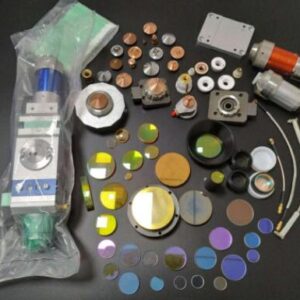
The efficacy of a laser system in a remote industrial zone is directly proportional to the availability of consumable and critical spare parts. In Manaus, the “Just-in-Time” delivery model used in Southern Brazil is often inapplicable. Therefore, a localized warehouse strategy is essential. This inventory must include not only consumables like nozzles, protective windows, and ceramic rings but also high-value critical components.
Key localized assets include spare laser heads, fiber cables, and electronic control boards. By maintaining a local stock of the Fiber Laser Resonator modules and cooling units, manufacturers can bypass the 15-to-30-day delay associated with international air freight and federal customs processing. This localized approach transforms the supply chain from a reactive model to a proactive one, where critical failure points are identified through predictive maintenance and replaced within hours rather than weeks.
24-Hour Service Response and Technical Support Frameworks
Service Level Agreements (SLAs) for heavy-duty laser systems in PIM are governed by the 24-hour response mandate. This framework is divided into three distinct tiers of support: remote diagnostics, on-site intervention, and specialized engineering consultation. Given the complexity of CNC Motion Control Systems, the first line of defense is often a secure VPN connection that allows factory-certified technicians to analyze error logs and motion parameters in real-time.
When physical intervention is required, the deployment of locally stationed field service engineers is mandatory. These technicians are trained to handle high-voltage electrical systems, gas delivery calibration, and optical alignment. The 24-hour response window ensures that if a machine fails during a night shift, a technician is on-site by the start of the following production cycle. This rapid response is critical for the heavy machinery and shipbuilding sectors in Manaus, where production delays can result in significant contractual penalties.
Optimizing Performance in Tropical Industrial Environments
The environmental conditions in Manaus necessitate specific modifications to the laser’s peripheral systems. High humidity levels can lead to condensation within the laser source and the chiller unit, which is a primary cause of diode failure. Heavy-duty systems in this region are equipped with industrial-grade dehumidifiers and dual-circuit cooling systems that maintain the laser medium and the delivery optics at precise temperatures, regardless of the ambient factory environment.
Furthermore, the electrical grid in remote industrial zones can occasionally experience fluctuations. To protect the sensitive CNC Motion Control Systems, high-capacity voltage stabilizers and uninterruptible power supplies (UPS) are integrated into the laser’s power distribution unit. These safeguards prevent data corruption in the NC (Numerical Control) unit and protect the expensive laser diodes from voltage spikes, ensuring the long-term reliability of the investment.
Industry Insight: The Shift Toward Regional Autonomy
The industrial evolution of Manaus reflects a broader global trend: the move toward regional manufacturing autonomy. As global supply chains become increasingly volatile, the ability to maintain high-precision machinery through local resources has become a competitive necessity rather than a luxury. For the B2B sector, the focus is shifting away from the initial capital expenditure (CAPEX) of the machine and toward the Total Cost of Ownership (TCO) and the reliability of the local support infrastructure.
In the coming decade, we expect to see further integration of AI-driven predictive analytics within these laser systems. By monitoring the degradation of optical components and the vibration signatures of the motion system, these machines will be able to signal the Manaus-based service centers for parts replacement before a failure occurs. This transition from 24-hour response to “zero-downtime” predictive servicing will define the next generation of heavy-duty manufacturing in Brazil’s most vital industrial hub. The success of a Heavy-Duty Beam Laser installation in Manaus is no longer judged by its cutting speed alone, but by the resilience of the local ecosystem that keeps it operational.
Industrial Expertise & Support
Are you looking for high-performance Heavy-Duty Beam Laser tailored for the Global market? Our engineering team provides comprehensive solutions for modern manufacturing.