Integration of H-Beam Plasma Cutter Technology in Valparaíso: Optimizing Mining Supply Chains
The industrial landscape of Valparaíso, Chile, serves as a critical nexus for the global mining sector. As the primary maritime gateway for the Chilean central region, the port infrastructure facilitates the movement of heavy machinery and structural steel essential for the Atacama’s copper and lithium extraction operations. Within this ecosystem, the adoption of advanced 3D profiling technologies, specifically the H-Beam Plasma Cutter, has shifted the paradigm of structural steel fabrication and wear-component customization. This technical analysis examines the deployment of robotic plasma profiling in Valparaíso and its specific application in the rapid production of customized wear-plates for high-abrasion mining environments.
Technical Architecture of High-Definition Plasma Profiling
The H-Beam Plasma Cutter represents a convergence of multi-axis robotics and high-definition thermal cutting power sources. Unlike traditional two-dimensional plate cutters, these systems utilize a six-axis robotic arm capable of maneuvering around the static workpiece. This allows for the processing of H-beams, I-beams, channels, and heavy-duty plates without the need for manual repositioning. In the context of Valparaíso’s fabrication facilities, these machines are calibrated to handle high-tensile structural steels and specialized alloys.
The core of the system’s precision lies in its CNC integration. Modern units utilize sophisticated nesting software that synchronizes with CAD/CAM environments to execute complex geometries, including bolt holes, coping cuts, and miter joints, with a tolerance range of +/- 0.5mm. For the mining sector, this level of precision is non-negotiable. Components must interface perfectly with existing heavy equipment, such as primary crushers and conveyor transfer points, where structural integrity is paramount under cyclic loading conditions.
Wear-Plate Customization and Material Science
Mining operations in Chile face extreme mechanical wear due to the abrasive nature of the extracted ore. The maintenance of chutes, hoppers, and truck beds requires a constant supply of Abrasive-Resistant (AR) Steel, such as Hardox or equivalent quenched and tempered grades. Customizing these plates involves significant challenges, primarily regarding the management of the Heat-Affected Zone (HAZ).
Traditional oxy-fuel cutting introduces excessive heat into the material, which can degrade the tempered properties of AR steels, leading to premature failure at the edges. High-definition plasma cutting, however, utilizes a constricted arc with higher energy density. This results in a narrower kerf and a significantly reduced Heat-Affected Zone (HAZ). By maintaining the metallurgical integrity of the wear-plate, the service life of the component is extended, directly reducing the Mean Time Between Failures (MTBF) for mining equipment. In Valparaíso, local service centers are leveraging these cutters to provide “just-in-time” customization, allowing mines to order specific geometries that are cut and shipped within 24 to 48 hours.
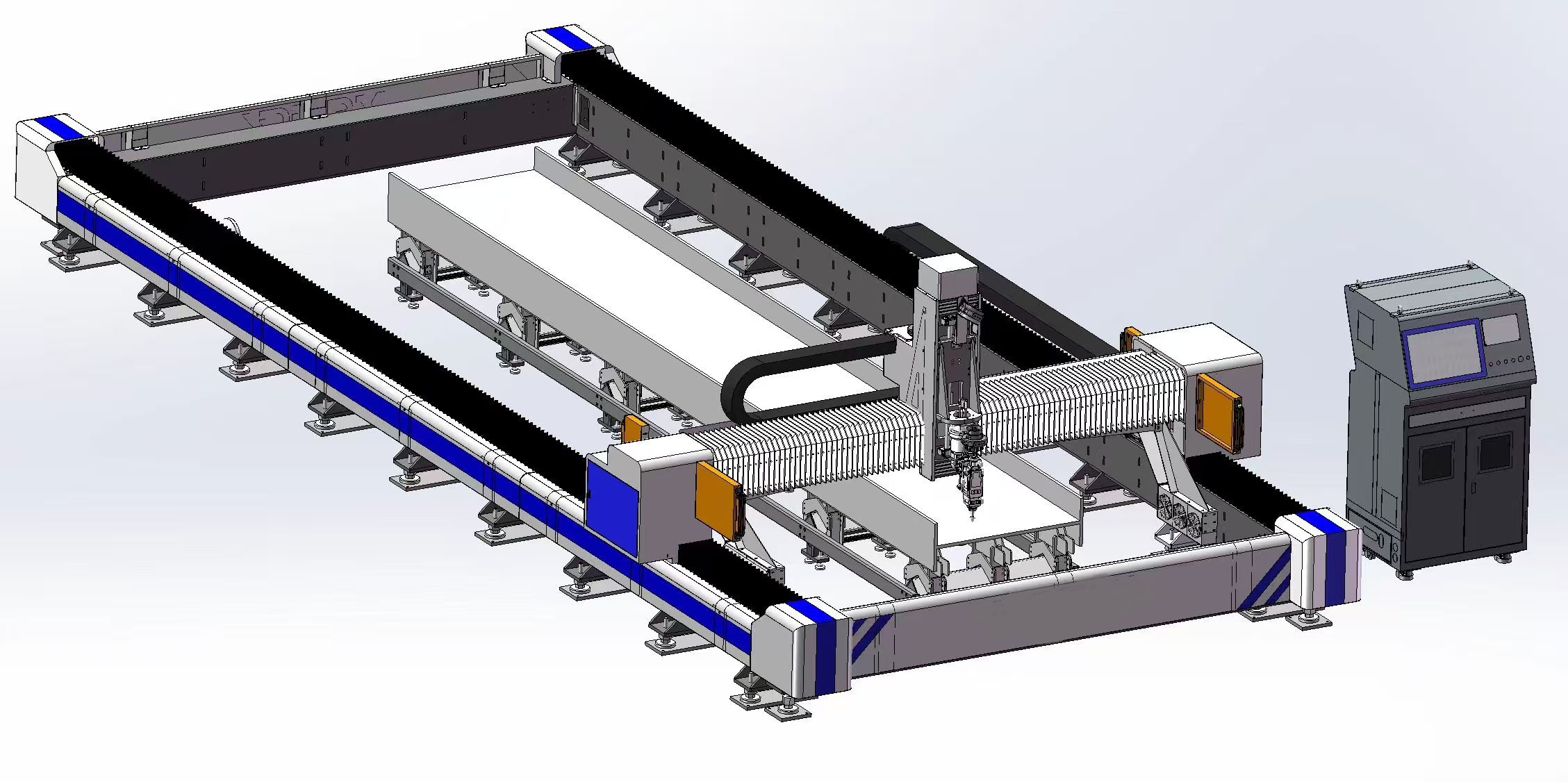
Industrial Application of H-Beam Plasma Cutter
Operational Efficiency and Throughput Optimization
The implementation of an H-Beam Plasma Cutter in a regional hub like Valparaíso eliminates several bottlenecks in the supply chain. Previously, complex structural components or custom wear-packages were often imported as finished goods, leading to long lead times and high inventory costs. Localized fabrication using CNC Robotic Profiling allows for a more responsive maintenance strategy.
From a throughput perspective, the automation of the cutting process reduces man-hours by up to 70 percent compared to manual layout and cutting methods. The machine’s ability to perform marking, hole-drilling (via plasma piercing or mechanical spindles), and beveling in a single pass ensures that the workflow remains continuous. For large-scale mining projects, such as tailing thickener constructions or refinery expansions, the ability to process hundreds of tons of structural steel with serialized accuracy ensures that field assembly proceeds without the need for on-site modifications.
Logistical Advantages of the Valparaíso Hub
Valparaíso’s strategic position as a logistical center provides a unique advantage for the distribution of plasma-cut components. The proximity to major steel stockholders means that raw material transit times are minimized. Once processed by the H-Beam Plasma Cutter, the finished components can be dispatched via the established Route 5 artery to the northern mining districts or shipped via coastal feeders to smaller ports closer to the operational sites.
Furthermore, the concentration of technical expertise in the Valparaíso-Viña del Mar metropolitan area supports the maintenance and programming of these complex robotic systems. The availability of skilled technicians capable of optimizing CNC Robotic Profiling parameters ensures that the equipment operates at peak duty cycles, maximizing the return on investment for fabrication firms and ensuring a steady supply of critical parts for the mining industry.
Environmental and Economic Impact of Precision Cutting
Beyond the immediate mechanical advantages, the use of high-definition plasma systems contributes to material conservation. Advanced nesting algorithms minimize scrap rates by optimizing the arrangement of parts on a single sheet of AR steel. In an industry where specialized alloy prices are volatile, reducing waste by even 5 to 10 percent represents a significant cost saving over an annual production cycle.
Additionally, the reduction in secondary grinding operations—rendered unnecessary by the high-quality edge finish of the plasma arc—lowers the overall energy consumption of the fabrication process. This aligns with the broader industry trend toward “Green Mining” and more sustainable supply chain practices, which are increasingly demanded by global stakeholders and Chilean regulatory bodies.
Industry Insight: The Future of Automated Fabrication
The transition toward automated steel processing in Valparaíso is indicative of a broader global shift in heavy industry. As mining operations move toward deeper deposits and more complex ore bodies, the demand for high-performance materials and bespoke structural solutions will only increase. The H-Beam Plasma Cutter is no longer an optional luxury for fabricators; it is a foundational requirement for participating in the modern mining supply chain.
Looking forward, the integration of Digital Twin technology and IoT (Internet of Things) sensors within these cutting systems will allow for real-time monitoring of machine health and consumables. We anticipate that Valparaíso will continue to evolve as a “smart” fabrication hub, where data-driven manufacturing meets the rugged requirements of the Andean mining sector. The synergy between high-precision thermal cutting and strategic logistical placement creates a resilient infrastructure capable of supporting the next generation of mineral extraction projects. The ability to rapidly customize wear-resistant components locally is not merely a service improvement—it is a critical component of operational risk management in the global mining industry.
Industrial Expertise & Support
Are you looking for high-performance H-Beam Plasma Cutter tailored for the Global market? Our engineering team provides comprehensive solutions for modern manufacturing.





