Optimizing Structural Steel Fabrication: H-Beam Plasma Cutting Infrastructure in Mendoza, Argentina
The industrial landscape of the Cuyo region, centered in Mendoza, Argentina, has undergone a significant shift toward automated structural steel processing. As a strategic hub for mining, viticulture infrastructure, and energy projects, the demand for high-precision steel profiling has necessitated the deployment of advanced H-Beam Plasma Cutter systems. These machines represent a critical evolution from manual layout and mechanical drilling to fully integrated CNC thermal cutting solutions. For global enterprises operating within or supplying the Southern Cone, the viability of these capital-intensive assets depends entirely on the localized support ecosystem, specifically regarding spare part availability and technical service response times.
Technical Specifications and System Integration
The modern H-Beam Plasma Cutter utilized in Mendoza’s industrial parks typically features 6-axis robotic kinematics. Unlike traditional 2D plate cutters, these systems utilize a robotic arm capable of maneuvering around the stationary or conveyor-fed workpiece to execute complex geometries. This includes cope cuts, miter cuts, bolt holes, and weld preparations (K, V, Y, and X-cuts) on H-beams, I-beams, channels, and hollow structural sections (HSS).
The integration of CNC path planning software allows for the direct import of DSTV files from BIM modeling platforms. This digital continuity ensures that the physical output matches the structural engineering requirements with tolerances often within +/- 1.0mm. The power source, typically ranging from 130 to 400 amps, utilizes high-definition oxygen or nitrogen-shielded plasma to achieve dross-free cuts, reducing the need for secondary grinding operations. This technical efficiency is the primary driver for the adoption of these systems in Mendoza’s heavy engineering sector.
The Strategic Importance of Localized Spare Parts
In the context of B2B operations, the primary risk associated with high-tech machinery in South America is the “logistics lag” for critical components. To mitigate this, the infrastructure in Mendoza has been bolstered by dedicated warehousing for consumables and high-wear mechanical parts. A localized inventory strategy ensures that the operational duty cycle of the H-Beam Plasma Cutter remains above 95%.
Key components maintained in local stock include:
1. Consumables: Electrodes, nozzles, swirl rings, and retaining caps specific to high-definition plasma torches. Given the high-duty cycle of structural fabrication, these parts require frequent replacement to maintain cut quality and prevent torch damage.
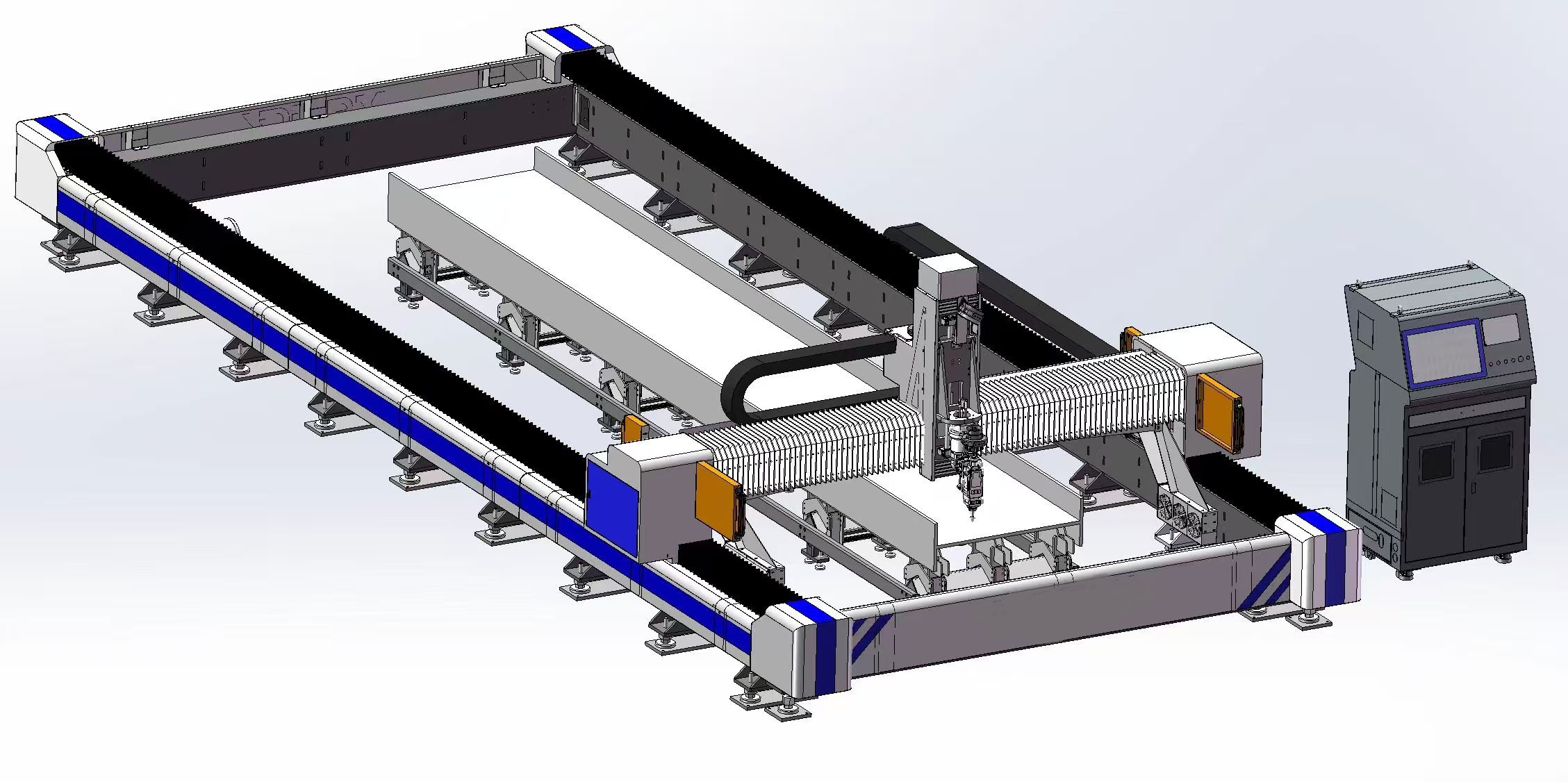
Industrial Application of H-Beam Plasma Cutter
2. Motion Control Components: Servo motors, encoders, and precision gearboxes. These are sensitive to the environmental conditions of heavy fabrication shops, including metallic dust and voltage fluctuations.
3. Electronic Modules: Printed Circuit Boards (PCBs), I/O modules, and plasma arc voltage control units. These components are critical for the automated height adjustment of the torch during the cutting process, ensuring a constant standoff distance even if the beam has slight material deviations.
24-Hour Service Response Protocol
For large-scale projects, such as the construction of mineral processing plants or seismic-resistant structural frames, downtime costs can exceed thousands of dollars per hour. Consequently, the service model in Mendoza has transitioned to a proactive 24-hour response framework. This protocol is divided into three distinct phases of technical intervention.
Phase one involves remote diagnostics. Utilizing IoT-enabled controllers, technicians can access the machine’s error logs and real-time telemetry from a centralized service center. This allows for the immediate identification of software conflicts or sensor misalignments without the need for travel. Approximately 40% of operational issues are resolved at this stage.
Phase two involves the dispatch of field service engineers. If a hardware failure is identified, a technician is deployed within the 24-hour window, equipped with the necessary diagnostic tools and localized spare parts. The proximity of service centers to the industrial zones of Luján de Cuyo and Maipú is essential for meeting these stringent timelines.
Phase three focuses on preventative maintenance and calibration. Regular intervals of mechanical alignment and gas flow verification are scheduled to prevent catastrophic failures. This structured approach to service ensures that the H-Beam Plasma Cutter maintains its precision over an extended operational lifespan, providing a higher return on investment for the facility owner.
Infrastructure and Power Stability Considerations
Operating high-precision plasma equipment in regional hubs requires specific attention to the local utility infrastructure. Mendoza’s industrial sectors often face challenges related to grid stability. Therefore, local installations frequently incorporate industrial-grade voltage stabilizers and surge protection systems. Technical service teams in the region are specialized in calibrating the plasma power supplies to operate optimally within these local parameters, ensuring that the arc remains stable and the cut quality consistent despite external electrical variances.
Human Capital and Technical Training
The deployment of an H-Beam Plasma Cutter is as much about human expertise as it is about hardware. Local service providers in Mendoza emphasize the training of on-site operators. This includes instruction on nested programming, torch maintenance, and basic troubleshooting. By elevating the skill level of the local workforce, companies reduce the frequency of “operator error” related downtime, further stabilizing the production pipeline.
Concluding Industry Insight
The integration of H-beam plasma cutting technology in Mendoza, supported by robust local logistics and rapid-response service, reflects a broader trend in the global structural steel industry: the decentralization of high-tech manufacturing support. As supply chains remain volatile, the ability to provide localized technical sovereignty—where spare parts and expertise are situated within the same geographic region as the equipment—becomes a significant competitive advantage. For the Southern Cone, this infrastructure does not merely support individual projects; it builds a resilient industrial base capable of meeting the rigorous demands of modern infrastructure and mining sectors. The future of structural fabrication lies in this synergy between advanced automated hardware and a localized, data-driven service philosophy.
Industrial Expertise & Support
Are you looking for high-performance H-Beam Plasma Cutter tailored for the Global market? Our engineering team provides comprehensive solutions for modern manufacturing.





