Precision Engineering in the Andean Mining Corridor: The H-Beam Plasma Cutter Advantage
Arequipa, Peru, has solidified its position as the primary industrial and logistical hub for the South American mining sector. Situated in proximity to major copper and gold operations such as Cerro Verde, Las Bambas, and Antapaccay, the region requires a robust infrastructure for structural steel fabrication and heavy equipment maintenance. Central to this industrial capability is the deployment of the H-Beam Plasma Cutter, a specialized CNC-driven system designed to handle the complex geometries of structural profiles and high-strength wear plates. As mining operations move toward deeper underground excavations and larger-scale open pits, the demand for rapid, high-tolerance customization of steel components has become a critical operational requirement.
Technical Integration of 3D Profile Cutting in Structural Steel
The fabrication of mining infrastructure—ranging from conveyor galleries and processing plant frameworks to shaft supports—relies heavily on H-beams, I-beams, and channels. Traditional methods of processing these sections involved manual layout, mechanical sawing, and separate drilling operations for bolt holes. This multi-stage process introduced cumulative tolerances and increased lead times. The introduction of the H-Beam Plasma Cutter in Arequipa’s fabrication facilities has consolidated these steps into a single automated workflow.
Modern plasma systems utilize multi-axis robotic heads or 5-axis gantry systems that allow the torch to rotate and tilt. This capability enables the execution of complex cuts, including miter cuts, copes, slots, and weld preparations (K, V, X, and Y-bevels) across all faces of the beam without repositioning the workpiece. For the mining industry, this precision ensures that structural members arrive at the site ready for immediate assembly, significantly reducing the need for on-site modifications in remote, high-altitude environments.
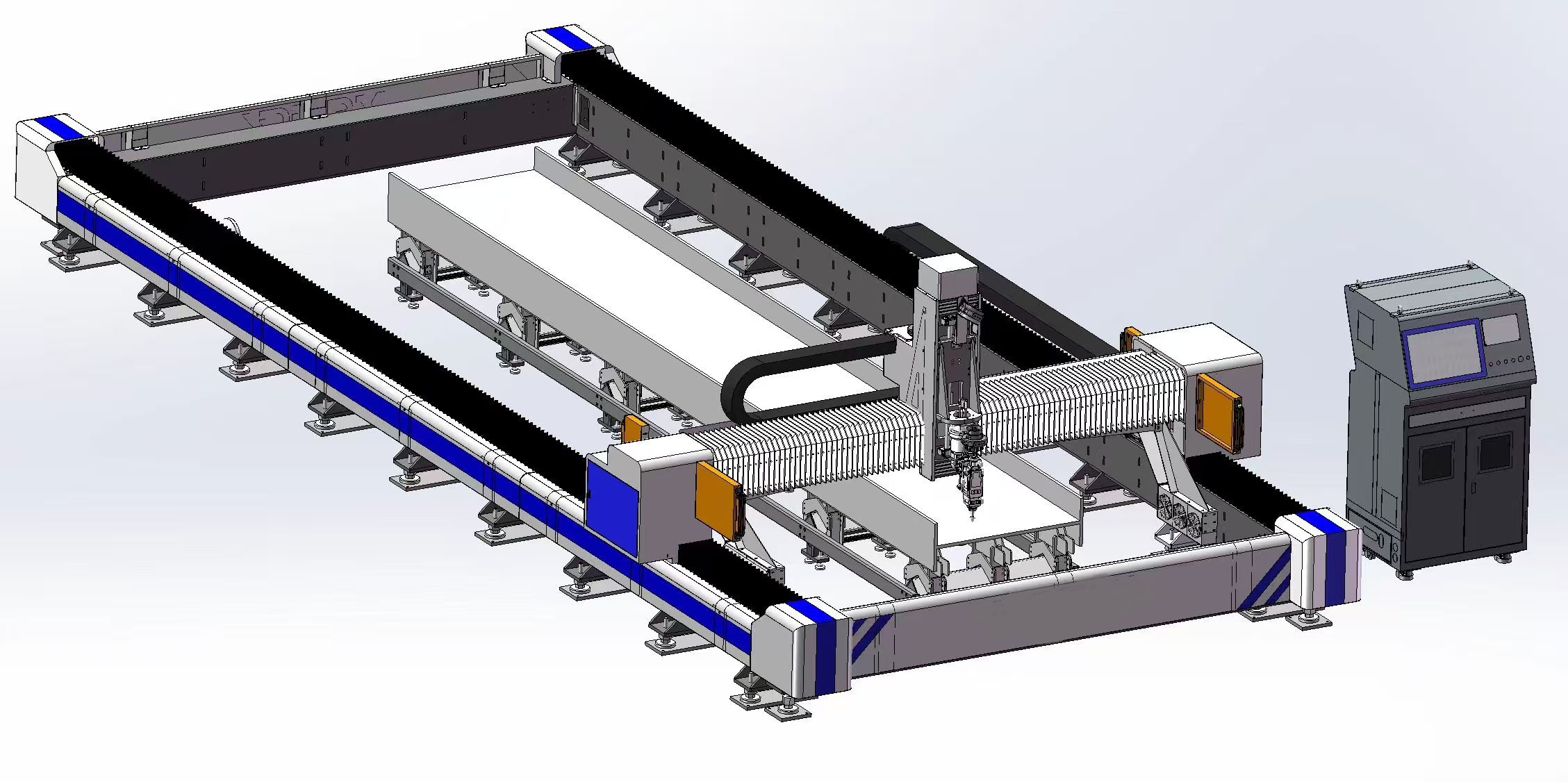
Industrial Application of H-Beam Plasma Cutter
Wear-Plate Customization and Material Hardness Challenges
Mining equipment, such as crusher liners, chute hoppers, and excavator buckets, is subject to extreme abrasive forces. To extend the service life of these components, fabricators use abrasion-resistant (AR) steels, commonly referred to as wear plates (e.g., AR400, AR500, and Hardox grades). These materials are characterized by high carbon and alloy content, making them difficult to process using conventional mechanical cutting tools, which suffer from rapid tool wear and breakage.
High-Definition Plasma technology provides a non-contact thermal cutting solution that bypasses the mechanical resistance of the material. By utilizing a constricted plasma arc with high energy density, the system achieves narrow kerf widths and vertical edges. In Arequipa’s specialized workshops, these plasma cutters are programmed to produce custom-shaped liners that fit the specific internal geometries of ore-handling equipment. The speed of plasma cutting on 12mm to 50mm thick wear plates is significantly higher than oxy-fuel cutting, while maintaining a smaller heat-affected zone.
Managing the Heat-Affected Zone (HAZ) in High-Strength Steels
A critical technical consideration in the customization of mining components is the Heat-Affected Zone (HAZ). Excessive heat input during the cutting process can alter the microstructure of quenched and tempered steels, leading to localized softening or increased brittleness. In structural H-beams, this can compromise the load-bearing capacity of the flange-to-web junctions. In wear plates, a large HAZ can lead to premature failure at the edges due to reduced hardness.
The H-Beam Plasma Cutter configurations used in Arequipa mitigate these risks through precise control of travel speed and arc voltage. By maintaining a high-velocity plasma jet, the duration of thermal exposure is minimized. Advanced systems also utilize underwater cutting or water-shrouded torches to further quench the material during the process, effectively narrowing the HAZ and preserving the metallurgical properties of the alloy. This level of control is essential for components that must withstand the cyclical loading and impact stresses inherent in mineral processing.
Operational Efficiency and CNC Synchronization
The efficiency of fabrication in the Arequipa corridor is driven by the integration of Computer Numerical Control (CNC) software with Building Information Modeling (BIM) data. Structural engineers can export TEKLA or AutoCAD files directly to the plasma cutter’s controller. This digital thread eliminates manual data entry errors and ensures that every bolt hole and flange notch is positioned within sub-millimeter tolerances.
Furthermore, the nesting algorithms used in these systems optimize the layout of parts on a single plate or beam, reducing scrap rates. In the context of the global supply chain, where steel prices remain volatile, the ability to maximize material utilization provides a significant cost advantage for mining contractors. The rapid turnaround facilitated by these automated systems allows Arequipa-based firms to support “just-in-time” maintenance schedules, minimizing the downtime of critical mining assets.
Logistical Advantage of the Arequipa Industrial Base
Arequipa’s geographical positioning serves as a strategic link between the Pacific ports (such as Matarani) and the high-altitude mining operations of the Andes. By housing advanced H-Beam plasma cutting technology locally, mining companies avoid the logistical delays and costs associated with importing pre-fabricated steel from overseas. Local customization allows for immediate response to unforeseen geological challenges—such as the need for emergency shoring or custom-fit reinforcement for tunnel boring machines.
The technical workforce in Arequipa has evolved alongside these technological advancements. Operators are trained in both the mechanical maintenance of the plasma systems and the sophisticated programming required for 3D pathing. This local expertise ensures that the high-duty cycles required by the mining industry are met with minimal system downtime.
Industry Insight: The Shift Toward Automated Fabrication
The transition toward automated H-beam and wear-plate processing in Arequipa represents a broader shift in the global mining supply chain. As ore grades decline, mining operations must increase throughput to maintain profitability, which in turn accelerates the wear and tear on infrastructure. The industry is moving away from “standardized” components toward “optimized” components—parts designed specifically for the unique abrasive characteristics of a particular mine’s ore body.
The integration of robotic plasma cutting is no longer a luxury but a baseline requirement for safety and reliability. Precise, machine-cut bolt holes and perfectly beveled weld joints translate to structural integrity that can be verified through non-destructive testing (NDT). In the future, we expect to see further integration of AI-driven predictive maintenance within these plasma systems, allowing fabricators to anticipate consumable wear and maintain consistent cut quality over thousands of meters of steel. For Arequipa, staying at the forefront of this thermal cutting technology is essential to maintaining its status as the premier mining service hub in the Southern Hemisphere.
Industrial Expertise & Support
Are you looking for high-performance H-Beam Plasma Cutter tailored for the Global market? Our engineering team provides comprehensive solutions for modern manufacturing.





