Precision Engineering in the Andean Hub: The Rise of the 3-Chuck Tube Laser
The industrial landscape of Lima, Peru, is undergoing a significant transformation as manufacturing facilities shift toward high-precision automated solutions. At the center of this evolution is the integration of the 3-Chuck Tube Laser, a system designed to address the complexities of heavy-duty tube processing while maximizing material yield. As Lima continues to serve as a strategic gateway for South American mining, construction, and automotive sectors, the demand for processing highly reflective materials like copper and aluminum has surged. Traditional laser cutting systems often struggle with the physical properties of these non-ferrous metals, but modern advancements in anti-reflection technology have bridged the gap between capability and efficiency.
The implementation of these systems in the Peruvian market signifies a departure from standard 2-chuck configurations. By utilizing a triple-chuck arrangement, manufacturers can achieve structural stability that was previously unattainable. This is particularly critical in Lima’s industrial zones, where the production of complex components for the mining industry requires strict adherence to dimensional tolerances. The technical synergy between mechanical stability and advanced optical protection ensures that local manufacturers can compete on a global scale.
Mechanical Architecture of the 3-Chuck System
The 3-Chuck Tube Laser operates through a synchronized kinematic chain involving a feeding chuck, a middle rotating chuck, and an unloading chuck. Unlike the conventional 2-chuck setup, which often leaves a significant amount of “tailing” or wasted material at the end of the tube, the 3-chuck configuration facilitates Zero-Tailing Processing. When the laser head reaches the end of a workpiece, the chucks pass the tube through one another, allowing the cutting head to process the material right up to the edge of the clamping mechanism. This results in material waste of less than 50mm, and in many cases, absolute zero tailing.
The middle chuck provides continuous support, which is vital for preventing tube oscillation and sagging during high-speed rotations. For industries in Lima producing long-span structural supports or specialized piping for fluid transport, this stability translates directly into kerf precision and perpendicularity. The pneumatic clamping force is automatically adjusted based on the wall thickness and material type, ensuring that thin-walled aluminum tubes are not deformed while heavy-gauge steel remains securely fixed during high-torque maneuvers.
Overcoming Back-Reflection in Copper and Aluminum
Processing copper and aluminum presents a unique set of challenges for fiber laser resonators. These materials possess high thermal conductivity and low absorption rates at the standard 1.06-micron wavelength used by most fiber lasers. In a standard cutting environment, a significant portion of the laser energy is reflected back from the material surface. If this reflected light travels back through the delivery fiber and reaches the Fiber Laser Resonator, it can cause catastrophic thermal damage to the optical components and the gain medium.

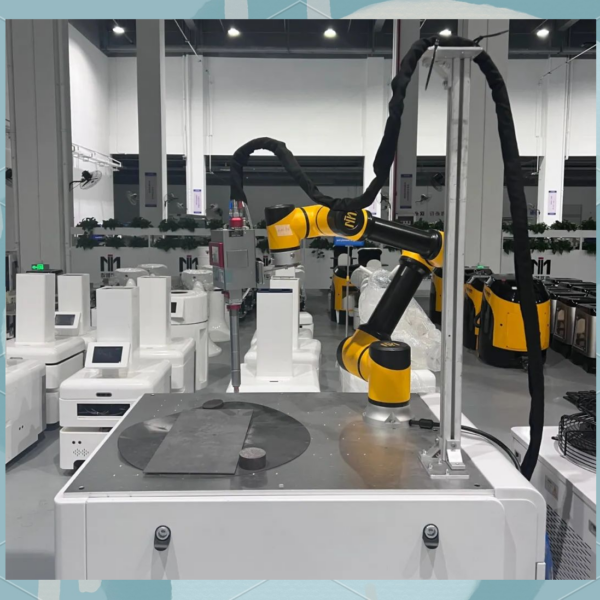
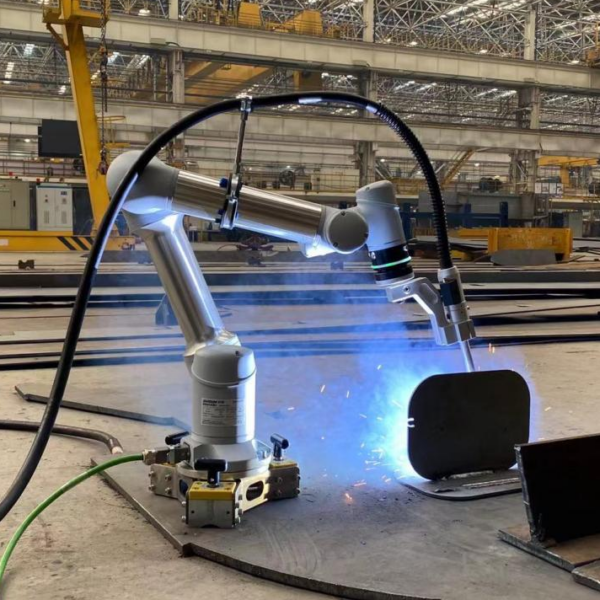
Industrial Application of 3-Chuck Tube Laser
To mitigate this risk, the systems deployed in Lima utilize advanced Anti-Reflection Technology. This involves a multi-stage protection strategy. First, the beam delivery system is equipped with optical isolators that act as one-way valves for light, allowing the laser to exit but diverting any returning light into a water-cooled “dump” or absorber. Second, real-time sensors monitor back-reflection levels. If the intensity of reflected light exceeds a safe threshold, the system automatically adjusts the pulse frequency or shuts down the beam in milliseconds to prevent damage. This allows for the continuous, high-speed cutting of 99% pure copper and various aluminum alloys (such as the 6000 and 7000 series) without compromising the lifespan of the laser source.
Strategic Industrial Integration in the Peruvian Market
Lima’s position as a hub for the Peruvian mining sector makes it a primary consumer of processed copper and aluminum components. The 3-chuck system is particularly adept at handling the heavy, large-diameter tubes used in mineral processing equipment. By integrating anti-reflection sensors, manufacturers can process copper busbars and conductive tubing used in electrical infrastructure with high repeatability. The ability to cut these materials on a single platform without changing the optical setup increases the versatility of a production floor.
Furthermore, the aluminum sector in Peru, which feeds into the local construction and window-framing industries, benefits from the high acceleration rates of the 3-chuck system. Aluminum’s high thermal conductivity requires a fast cutting speed to prevent excessive dross formation and heat-affected zones (HAZ). The mechanical rigidity of the triple-chuck system allows the laser head to maintain high feed rates even when executing complex geometries or small-diameter holes, ensuring a clean finish that requires minimal post-processing.
Technical Specifications and Operational Efficiency
The performance of these machines is defined by their power-to-precision ratio. Most 3-chuck systems installed in Lima range from 3kW to 6kW in laser power. At these levels, the Anti-Reflection Technology is non-negotiable. The control software integrates nesting algorithms specifically designed for tube processing, which calculate the optimal chuck movement to minimize “dead zones.” This software also manages the gas pressure—typically high-pressure nitrogen for aluminum to ensure a bright, burr-free cut, or oxygen for thicker sections where an exothermic reaction is required.
From an operational standpoint, the 3-chuck system reduces the need for manual intervention. The automated loading systems feed tubes into the chucks, where infrared sensors detect the tube’s position and orientation. This level of automation is essential for Lima-based firms looking to offset labor costs and increase throughput. The precision of the 3-chuck movement ensures that even if a tube has a slight bow or twist, the middle chuck compensates by centering the material relative to the laser’s focal point.
Concluding Industry Insight: The Shift Toward Specialized Fabrication
As the global supply chain becomes increasingly regionalized, the manufacturing sector in Lima, Peru, is transitioning from a consumer of finished goods to a high-tech fabrication center. The adoption of the 3-chuck tube laser with anti-reflection capabilities represents a maturation of the local industry. The technical trend is moving away from “all-purpose” machines toward specialized systems that can handle the unique physical properties of non-ferrous metals.
The future of tube processing lies in the convergence of mechanical stability and intelligent optical protection. For global stakeholders, the investment in 3-chuck technology in South America highlights a broader shift: the demand for zero-waste production and the ability to process reflective alloys are now standard requirements rather than niche capabilities. As laser powers continue to scale upward, the sophistication of anti-reflection protocols will become the primary differentiator between entry-level equipment and industrial-grade solutions capable of sustaining 24/7 production cycles in demanding environments.
Industrial Expertise & Support
Are you looking for high-performance 3-Chuck Tube Laser tailored for the Global market? Our engineering team provides comprehensive solutions for modern manufacturing.