Introduction: The Industrial Evolution of Callao through Advanced Laser Integration
Callao, Peru, serves as the primary maritime gateway for the Andean region, functioning as a critical nexus for logistics and heavy manufacturing. As the industrial sector in South America transitions toward higher automation and precision, the adoption of specialized CNC equipment has become a prerequisite for maintaining competitive export standards. Among these advancements, the implementation of the 3-Chuck Tube Laser represents a significant leap in structural steel and pipe processing capabilities. This technology addresses the dual challenges of material waste and operational energy costs, integrating high-efficiency fiber sources with sophisticated mechanical clamping systems. By analyzing the technical infrastructure of these machines within the Callao industrial corridor, we can observe a broader trend toward high-throughput, low-emission manufacturing.
Mechanical Architecture of the 3-Chuck System
Standard tube laser systems typically employ two chucks—a rear feed chuck and a front rotating chuck. However, the three-chuck configuration introduces a middle chuck that functions as a stabilization bridge. This architecture is engineered to provide continuous support to the workpiece throughout the entire cutting cycle. In the context of the heavy-duty piping often processed in Callao’s shipyards and construction firms, this third chuck mitigates the effects of centrifugal force and gravitational sag on long workpieces.
The mechanical advantage of a 3-Chuck Tube Laser lies in its ability to perform “zero-tailing” cuts. In a two-chuck system, a significant portion of the tube—often 200mm to 300mm—cannot be processed because the distance between the chucks prevents the laser head from reaching the end of the material. The three-chuck system utilizes a synchronized hand-over-hand movement. The rear chuck delivers the material to the middle chuck, which then passes it to the front chuck. This allows the laser to cut right up to the edge of the material, effectively reducing scrap rates to near zero. For high-value alloys and thick-walled carbon steel, this reduction in material waste directly correlates to a lower cost-per-part ratio.
Fiber Laser Source and Wall-Plug Efficiency
The core of the modern tube laser is the Fiber Laser Source. Unlike traditional CO2 lasers that rely on gas mixtures and complex mirror arrays, fiber lasers generate the beam through a solid-state medium doped with rare-earth elements such as ytterbium. This technological shift is fundamental to the energy-efficient profile of the machines currently being deployed in Peru.
The primary metric for this efficiency is the photoelectric conversion rate, often referred to as Wall-Plug Efficiency. Fiber laser sources achieve conversion rates of 30% to 40%, whereas CO2 systems typically operate between 8% and 10%. In an industrial environment like Callao, where energy costs and grid stability are critical operational variables, the reduced power draw of a fiber system significantly lowers the overhead. Furthermore, the 1.06-micron wavelength of the fiber laser is more readily absorbed by metals, particularly reflective materials like brass and aluminum, allowing for faster cutting speeds at lower power settings compared to gas-based alternatives.

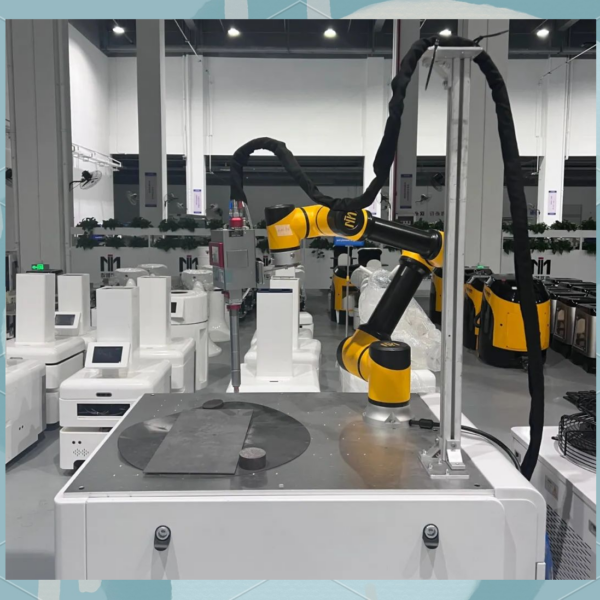
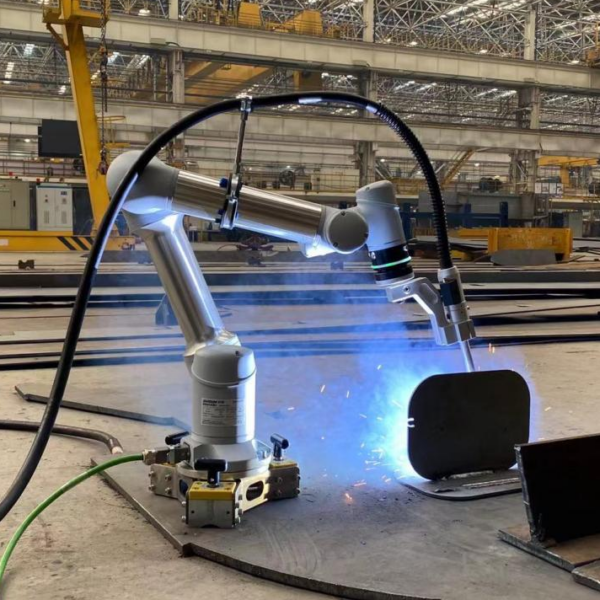
Industrial Application of 3-Chuck Tube Laser
Thermal Management and Operational Longevity
Energy efficiency is not solely about power consumption; it also concerns thermal dissipation. Because fiber sources are more efficient, they generate less waste heat. This reduces the load on the industrial chilling units required to maintain the laser’s operating temperature. In the humid coastal climate of Callao, managing thermal loads is vital for preventing component degradation. The integration of high-performance chillers with precise temperature control ensures that the laser source maintains a stable beam quality (M2 factor), which is essential for achieving the tight tolerances required in aerospace and structural engineering applications.
Structural Applications in the Peruvian Market
The industrial landscape in Callao is characterized by diverse requirements, from light-gauge square tubing for furniture and automotive components to heavy-duty circular pipes for the mining and oil sectors. The 3-chuck system is particularly adept at handling heavy tubes, often supporting weights up to 1,000kg or more depending on the machine’s specification. The synchronized rotation of the three chucks ensures that even if a tube has slight deformations or “bowing,” the machine can compensate in real-time, maintaining the focal point of the laser relative to the material surface.
Furthermore, the software integration within these systems allows for complex nesting and 3D cutting profiles. Engineers in Callao can now execute intricate “bird-mouth” joints, miter cuts, and hole patterns in a single pass. This eliminates the need for secondary processes such as sawing, drilling, or manual deburring. By consolidating these steps into a single CNC operation, the total energy consumed per finished component is drastically reduced, reinforcing the energy-efficient nature of the Fiber Laser Source technology.
Technical Specifications and Load Handling
To understand the operational capacity of these machines, one must look at the technical parameters. A typical high-end 3-chuck system in this region will feature:
- Laser Power: 1kW to 6kW (Fiber).
- Tube Diameter Capacity: 20mm to 350mm.
- Acceleration: Up to 1.2G.
- Positioning Accuracy: ±0.03mm.
- Chuck Rotation Speed: 100-120 RPM.
The inclusion of an automatic loading system further enhances the efficiency. By utilizing a bundle loader, the machine can operate with minimal human intervention, ensuring that the laser source is active for a higher percentage of the work shift. This maximization of “beam-on” time is a critical factor in calculating the Return on Investment (ROI) for Peruvian enterprises looking to upgrade their fabrication floors.
Concluding Industry Insight: The Shift Toward Intelligent Fabrication
The deployment of 3-chuck tube laser technology in Callao is more than a localized upgrade; it is indicative of a global shift toward “Intelligent Fabrication.” As raw material prices fluctuate and global carbon mandates become more stringent, the manufacturing sector is moving away from the “volume at any cost” model. Instead, the focus has shifted to precision-based resource management.
In the coming decade, we expect to see the integration of real-time monitoring and AI-driven predictive maintenance within these fiber laser systems. For a logistical hub like Callao, this means the ability to produce high-complexity components locally, reducing the reliance on imported finished goods. The synergy between Zero-Tailing Technology and high-efficiency fiber sources provides a blueprint for sustainable industrial growth. By minimizing the energy footprint and maximizing material utilization, manufacturers are not only increasing their profit margins but are also aligning with the necessary transition toward a more resource-efficient global economy. The precision of the 3-chuck system ensures that the Peruvian metalworking industry remains a vital player in the international supply chain, capable of meeting the most rigorous technical specifications with optimized operational costs.
Industrial Expertise & Support
Are you looking for high-performance 3-Chuck Tube Laser tailored for the Global market? Our engineering team provides comprehensive solutions for modern manufacturing.