Precision Engineering in Emerging Markets: The Case of Asunción’s Metal Fabrication Sector
The industrial landscape of Asunción, Paraguay, is undergoing a significant transition from traditional manual metalworking to high-precision automated systems. As the region positions itself as a manufacturing hub within the Mercosur trade bloc, the demand for structural steel processing has surged. However, the adoption of advanced fiber laser technology in this region presents unique engineering challenges, specifically regarding mechanical support for heavy-duty profiles and the consistency of power delivery. The implementation of the 3-Chuck Tube Laser serves as a strategic response to these variables, combining high-load mechanical handling with specialized electronics to mitigate local infrastructure limitations.
For global manufacturers operating in regions with developing industrial infrastructure, the integration of heavy-duty laser systems requires more than just high wattage. It necessitates a robust mechanical framework capable of handling long-format tubing and a sophisticated power management system to protect sensitive optical components. This article examines the technical specifications of three-chuck systems and the critical role of integrated voltage regulation in maintaining operational uptime.
Mechanical Advantages of the 3-Chuck Kinematic Architecture
Standard two-chuck laser systems often encounter limitations when processing heavy or exceptionally long tubes. The primary issue is the “sagging” effect, where the weight of the workpiece causes a deviation from the central axis, leading to inaccuracies in the cutting path and focal point inconsistency. The 3-Chuck Tube Laser architecture utilizes a front, middle, and rear chuck configuration to provide continuous support throughout the cutting cycle.
The middle chuck acts as a stabilizer, preventing vibration and material deflection during high-speed rotations. This is particularly critical when processing square, rectangular, or D-shaped profiles where the center of mass shifts during rotation. Furthermore, the three-chuck system enables Zero-Tailing Technology. By passing the material through the middle and front chucks while the rear chuck provides the final feed, the system can process the tube to the very end of the stock. In a high-volume production environment in Asunción, reducing scrap by 10-15% per tube significantly impacts the bottom-line ROI, especially when dealing with imported raw materials.
Addressing Grid Instability in Industrial Zones
While Paraguay boasts significant hydroelectric power generation, the localized distribution grids in industrial outskirts can experience voltage fluctuations, harmonic distortions, and transient surges. Fiber laser sources are highly sensitive to these electrical inconsistencies. A fluctuation of even 5% in the input voltage can affect the stability of the laser beam, leading to poor edge quality, dross accumulation, or, in extreme cases, catastrophic failure of the diode modules.

Industrial Application of 3-Chuck Tube Laser
To ensure consistent performance in the Asunción market, the integration of a Voltage Regulation System is mandatory. This is not merely an external peripheral but a built-in component of the machine’s electrical cabinet. The system utilizes high-speed microprocessors to monitor incoming voltage in real-time. When a deviation is detected, the regulator compensates via a servomotor-driven carbon brush or a solid-state compensation circuit, ensuring a steady 380V (±1%) output to the laser source and the CNC controller.
Technical Specifications of Integrated Regulation
The built-in regulation units are designed to handle the specific load profiles of fiber lasers. Unlike standard industrial motors, fiber lasers have a rapid pull on current during the piercing phase. The Fiber Laser Power Stability is maintained through several layers of protection:
1. Electromagnetic Interference (EMI) Filtering: Suppresses high-frequency noise from the grid that could interfere with the CNC’s communication bus.
2. Surge Protection Devices (SPD): Diverts high-voltage transients caused by lightning or grid switching away from sensitive logic boards.
3. Automatic Voltage Regulation (AVR): Provides a stabilized voltage window, preventing the “brownout” conditions that often trigger emergency stops in less sophisticated machinery.
Operational Impact on Structural Fabrication
In the context of Asunción’s construction and agricultural machinery sectors, the ability to cut large-diameter pipes (up to 220mm or 350mm) with high precision is a competitive necessity. The 3-chuck system allows for the processing of heavy-wall thickness tubes that would otherwise exceed the torque capacity of a dual-chuck machine. The synchronized movement of the three chucks ensures that the tube remains perfectly concentric with the laser head’s nozzle, maintaining a constant standoff distance.
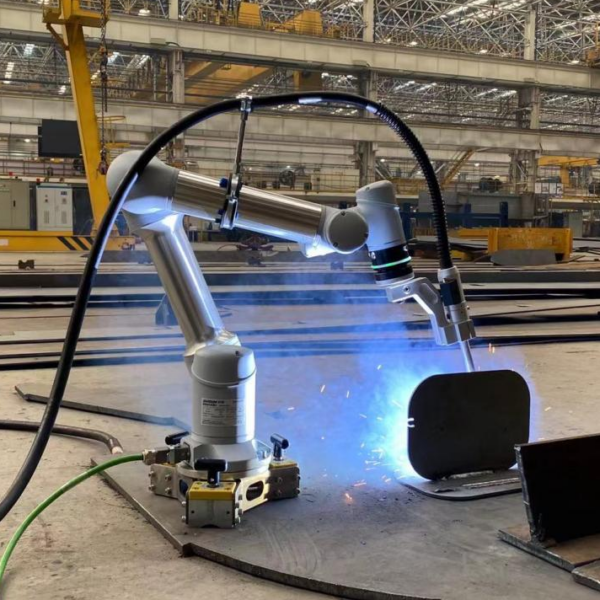
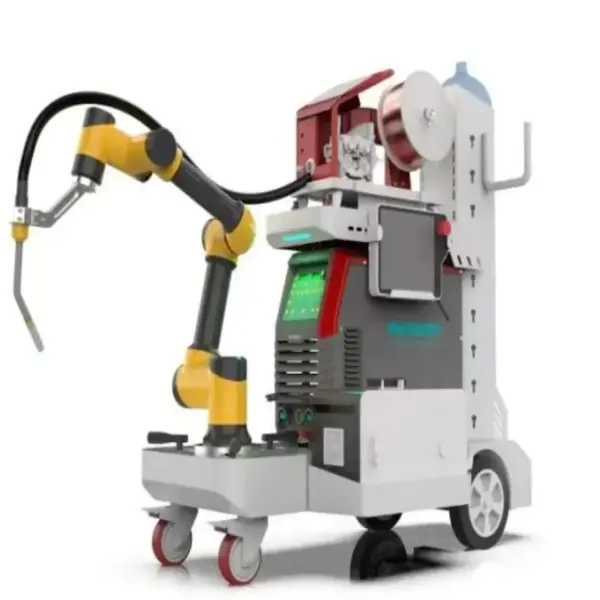
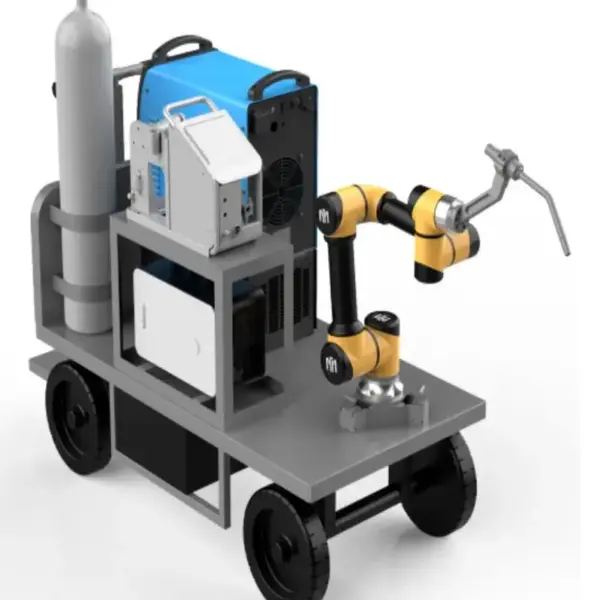
This precision is vital for downstream processes such as robotic welding. If the laser-cut notches and joints are inaccurate due to tube slippage or power-induced beam instability, the fit-up for welding will require manual intervention, negating the benefits of automation. By stabilizing both the mechanical movement and the electrical input, manufacturers achieve a “first-time-right” production rate that is essential for global supply chain integration.
Maintenance and Longevity in Tropical Climates
Beyond voltage regulation, the environmental conditions in Paraguay—characterized by high humidity and temperatures—require specific engineering considerations. The electrical cabinets of these 3-chuck systems are typically equipped with industrial-grade air conditioning units. These units maintain a constant internal temperature and prevent the condensation that can occur when a machine is powered down in a humid environment. When combined with the voltage regulator, these features create a controlled micro-environment for the machine’s “brain,” significantly extending the Mean Time Between Failures (MTBF) for the laser source and the servo drivers.
Industry Insight: The Future of Resilient Manufacturing
The deployment of the 3-Chuck Tube Laser in Asunción highlights a broader trend in the global B2B manufacturing sector: the shift toward “Resilient Machinery.” As industrial production moves into regions where infrastructure may not yet match the requirements of Industry 4.0, the burden of stability shifts from the factory facility to the machine tool itself. Machines are no longer just cutting tools; they are self-contained ecosystems that must filter their own power, stabilize their own mechanical loads, and protect their own sensitive optics.
For global investors and local entrepreneurs, the technical takeaway is clear: when selecting high-capital equipment for emerging markets, the focus must extend beyond peak power (kilowatts) to include “infrastructure-agnostic” features. Integrated voltage regulation and advanced mechanical support systems like the three-chuck configuration are not optional luxuries; they are the primary safeguards of operational continuity. As global manufacturing becomes more decentralized, the demand for such robust, self-stabilizing systems will become the baseline standard for the machine tool industry.
Industrial Expertise & Support
Are you looking for high-performance 3-Chuck Tube Laser tailored for the Global market? Our engineering team provides comprehensive solutions for modern manufacturing.