Precision Structural Fabrication: The Rise of the H-Beam Plasma Cutter in Valencia’s Industrial Hub
Valencia, the capital of Carabobo State, stands as the primary industrial engine of Venezuela. The city’s manufacturing sector, ranging from automotive assembly to heavy structural engineering, requires high-performance machinery to maintain throughput and structural integrity. Within this landscape, the implementation of the H-Beam Plasma Cutter has transitioned from a specialized luxury to a fundamental necessity for large-scale infrastructure projects. This technology facilitates the complex processing of structural steel, but more importantly, it addresses the specific metallurgical challenges associated with high-conductivity materials such as copper and aluminum.
The global shift toward automated structural fabrication demands systems that can handle three-dimensional geometries with minimal human intervention. In Valencia, where heavy industry intersects with petrochemical and civil engineering sectors, the ability to process H-beams, I-beams, and channels with sub-millimeter precision is critical. The integration of multi-axis robotic arms with high-definition plasma power sources allows for the execution of bolt holes, copes, and weld preparations in a single pass, significantly reducing the total cost of production compared to traditional mechanical drilling and sawing methods.
Addressing the Challenges of High-Reflectivity Metals
While structural steel remains the backbone of the construction industry, the demand for non-ferrous alloys in electrical infrastructure and aerospace components has increased within the Venezuelan market. Copper and aluminum present unique challenges to standard thermal cutting processes due to their high thermal conductivity and optical reflectivity. When utilizing laser or standard plasma systems, these materials often cause back-reflection, which can lead to catastrophic failure of the cutting head or the power supply unit.
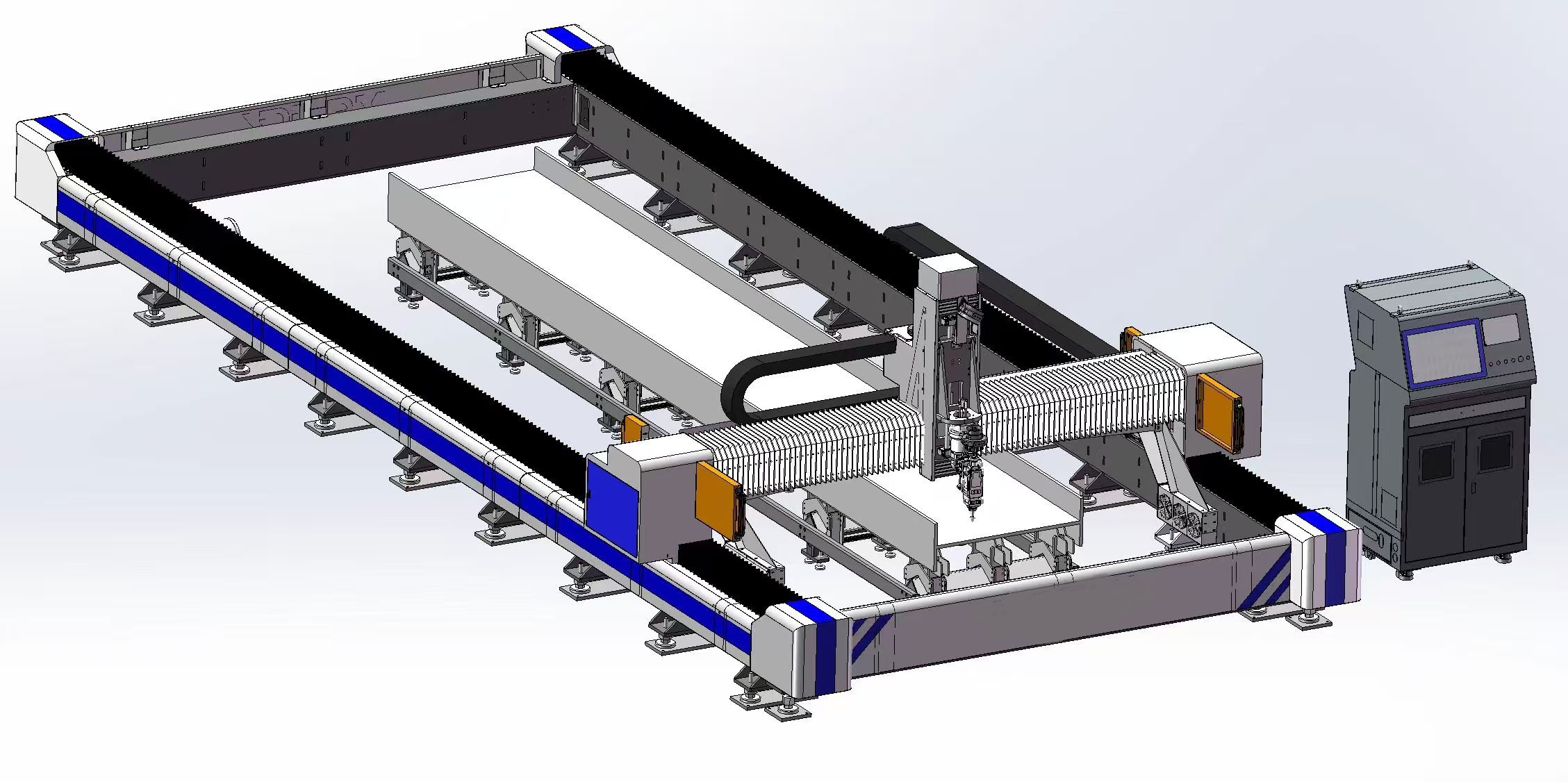
Industrial Application of H-Beam Plasma Cutter
The Back-Reflection Mitigation technology integrated into modern plasma systems is engineered to counteract these physical properties. Unlike traditional CO2 lasers, which are highly susceptible to damage from reflected light, modern high-definition plasma systems utilize specific arc stabilization techniques. These techniques ensure that the plasma jet remains focused and that the energy transfer into the workpiece is optimized, preventing the “bounce-back” effect that typically degrades the electrode and nozzle during the initial piercing phase of copper and aluminum processing.
Technical Specifications of the H-Beam Plasma Cutter
The operational efficiency of an H-Beam Plasma Cutter is defined by its kinematic configuration and its power management system. Most industrial-grade units deployed in Valencia’s heavy manufacturing zones feature a 6-axis or 8-axis robotic architecture. This allows the torch to maintain a perpendicular orientation to the beam’s surface, even when navigating the complex transitions between the flange and the web of the H-beam.
Key technical parameters include:
1. Power Output: Systems typically range from 130A to 400A, depending on the required thickness of the material. For heavy structural steel, a 260A system is the industry standard, providing a clean-cut capacity of up to 32mm.
2. Gas Console Technology: To process aluminum and copper effectively, the gas console must support multi-gas mixtures. The use of Argon-Hydrogen (H35) or Nitrogen-Water injection allows for a narrower kerf and a reduced heat-affected zone (HAZ), which is vital for maintaining the structural properties of the alloy.
3. Motion Control: High-speed CNC controllers utilize G-code or specialized structural steel software (such as Tekla-compatible plugins) to automate the nesting process, ensuring maximum material utilization and minimal scrap.
Implementing Anti-Reflection Tech for Copper and Aluminum
In the context of Non-Ferrous Alloy Processing, the anti-reflection technology is not merely a software safety feature but a hardware-integrated solution. When cutting C11000 copper or 6061 aluminum, the plasma arc must be initiated with a high-frequency start that stabilizes before the torch moves into the cutting path. If the arc reflects or fails to penetrate due to the material’s heat dissipation, the system’s sensors detect the voltage spike and adjust the standoff distance in real-time.
In Valencia’s industrial parks, such as the Zona Industrial de Valencia, this technology is being used to fabricate high-current busbars and specialized heat exchangers. The anti-reflection protocols prevent the accumulation of dross on the nozzle, which is a common issue when the molten metal is not effectively ejected from the kerf. By maintaining a constant arc voltage and utilizing secondary shield gases, the system ensures that the reflective properties of the aluminum do not interfere with the pilot arc’s stability.
Operational Optimization and Maintenance in Tropical Climates
Operating high-precision machinery in Valencia requires consideration of the local climate. High humidity and ambient temperatures can affect the performance of the cooling systems within a High-Definition Plasma Power Supply. To mitigate this, industrial units are equipped with closed-loop liquid cooling systems that regulate the temperature of the torch consumables. This is particularly important when processing copper, as the high heat required to initiate the cut can otherwise lead to premature nozzle wear.
Maintenance protocols in these facilities focus on the integrity of the grounding system and the purity of the compressed air. Any moisture in the air lines can cause arc sputtering, which increases the likelihood of reflection-related errors. Therefore, high-capacity refrigerated air dryers are typically paired with the plasma system to ensure the delivery of ISO 8573-1 Class 1.2.1 purity air.
Economic Impact on the Venezuelan Fabrication Sector
The adoption of these advanced plasma systems provides a significant competitive advantage for Venezuelan fabricators. By consolidating multiple processes—marking, cutting, and beveling—into a single workstation, companies can reduce labor costs by up to 40%. Furthermore, the ability to handle both structural steel and high-reflectivity alloys on the same machine allows for greater market diversification. A facility that primarily produces H-beams for the construction of high-rise buildings can easily pivot to producing aluminum components for the transportation sector without requiring additional capital investment in specialized cutting equipment.
Concluding Industry Insight
The evolution of thermal cutting technology is increasingly defined by the convergence of robotics and material science. As global supply chains demand higher precision and faster turnaround times, the reliance on manual layout and cutting is becoming obsolete. In regions like Valencia, Venezuela, the transition to automated beam processing represents a critical step in industrial modernization. The integration of anti-reflection technology signifies a shift toward “smart” manufacturing, where the machine is capable of sensing material properties and adjusting its physical parameters dynamically. Looking forward, the industry will likely see further integration of Artificial Intelligence (AI) in predictive maintenance for plasma systems, where sensors will predict consumable failure before it affects cut quality, particularly when working with challenging materials like copper and aluminum. This proactive approach to fabrication will ensure that the structural integrity of global infrastructure remains uncompromised while maximizing the efficiency of the manufacturing process.
Industrial Expertise & Support
Are you looking for high-performance H-Beam Plasma Cutter tailored for the Global market? Our engineering team provides comprehensive solutions for modern manufacturing.