Introduction: The Strategic Shift in Structural Steel Fabrication
The industrial landscape of Manaus, Brazil, particularly within the Polo Industrial de Manaus (PIM), is undergoing a significant technological transition. As a global hub for electronics, motorcycles, and heavy infrastructure components, the region demands high-throughput manufacturing solutions that can overcome logistical isolation through sheer efficiency. At the forefront of this transition is the implementation of the Heavy-Duty Beam Laser. This technology represents a departure from traditional mechanical sawing and drilling, offering a unified platform for the precision processing of structural steel. By integrating high-wattage fiber laser sources with multi-axis motion control, fabricators in the Amazonian basin are now capable of executing complex geometries, specifically 45-degree beveling, which is essential for high-integrity structural welding.
The Industrial Context of Manaus and High-Precision Requirements
Manaus serves as a critical node in South American manufacturing. Given its geographical location, the cost of raw material transport is high, making material utilization and waste reduction paramount. Traditional methods of preparing H-beams, I-beams, and C-channels involve multiple stages: cutting to length, manual layout, drilling, and secondary grinding for weld preparation. Each stage introduces cumulative tolerances that can compromise the final assembly. The introduction of heavy-duty laser systems allows for a single-pass process. The precision of a 5-axis fiber laser head enables the system to navigate the complex internal radii of structural profiles, ensuring that every cut and bevel is mathematically aligned with the digital twin provided by BIM (Building Information Modeling) software.
Technical Architecture of the Heavy-Duty Beam Laser
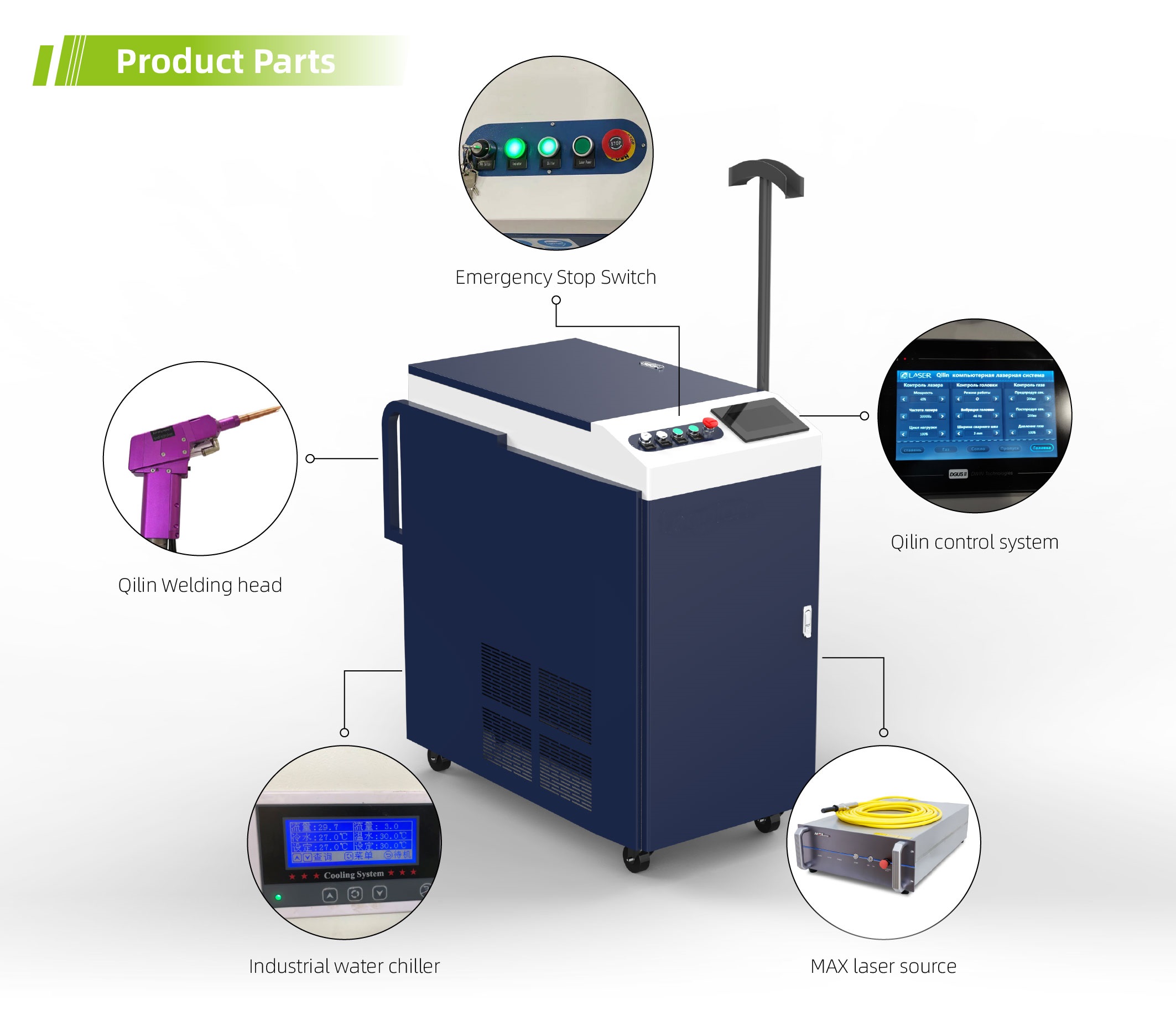
A Heavy-Duty Beam Laser designed for the Manaus industrial sector typically utilizes a fiber laser resonator ranging from 12kW to 30kW. This power density is required to penetrate thick-walled structural members efficiently. The system architecture involves a heavy-duty chuck system—often a four-chuck configuration—to provide maximum stability and eliminate vibration during the rotation of massive beams.
Industrial Application of Heavy-Duty Beam Laser
The motion control system utilizes absolute encoders to maintain sub-millimeter accuracy across lengths exceeding 12 meters. Unlike flatbed lasers, beam lasers must account for the inherent deviations in hot-rolled steel, such as camber and sweep. Advanced systems employ non-contact laser profiling to scan the beam in real-time, adjusting the cutting path to compensate for material irregularities. This ensures that the 45-degree bevel remains consistent across the entire flange and web interface.
45-Degree Beveling: Engineering the Foundation for Seamless Welding
In structural engineering, the integrity of a weld is dictated by the quality of the groove preparation. A 45-degree bevel is the industry standard for V-groove and J-groove welds, allowing for full penetration of the weld metal. When performed manually or via plasma cutting, the surface finish often requires significant post-processing to remove dross and oxide layers.
The laser beveling process produces a surface roughness (Ra) that is significantly lower than thermal alternatives. By utilizing a 5-axis fiber laser head, the machine can tilt the beam to a precise 45-degree angle while maintaining the focal point on the material surface. This produces a clean, knife-edge finish or a specific root face (land) as required by the welding procedure specification (WPS). The result is a fit-up that is virtually seamless, reducing the volume of filler metal required and minimizing the time spent on manual grinding.
Thermal Management and the Heat Affected Zone (HAZ)
One of the primary technical advantages of laser over plasma or oxy-fuel cutting is the concentration of energy. The Heat Affected Zone (HAZ) in laser cutting is remarkably narrow. In the context of the high-strength steels often used in Manaus’s shipbuilding and infrastructure projects, maintaining the metallurgical properties of the base metal is critical.
Excessive heat input can lead to grain growth and localized softening of the steel, potentially creating a point of failure under cyclic loading. The high-speed processing of a heavy-duty laser ensures that the dwell time of the heat source is minimal. This preserves the mechanical properties of the structural beam, ensuring that the 45-degree bevel is not just geometrically accurate, but also metallurgically sound for subsequent automated or robotic welding.
Economic Impact: Throughput and Labor Optimization
The integration of Weld Prep Optimization through laser technology directly impacts the bottom line of B2B operations. In a traditional workflow, preparing a single 12-meter H-beam with multiple bevels and bolt holes could take several hours of manual labor. A heavy-duty laser system can complete the same task in under twenty minutes.
Furthermore, the precision of the laser-cut bevels facilitates the use of robotic welding cells. Automated welding requires highly consistent joint gaps; even minor deviations can lead to weld defects like porosity or lack of fusion. By providing a “seamless” fit-up via 45-degree laser beveling, manufacturers in Manaus can deploy robotic welders with confidence, further increasing production capacity without a linear increase in labor costs.
Conclusion: Industry Insight on the Future of Steel Fabrication
The deployment of heavy-duty beam lasers in Manaus is symptomatic of a broader global trend: the convergence of subtractive manufacturing and digital precision. As global infrastructure projects face tighter deadlines and more stringent safety regulations, the margin for error in structural steel fabrication has evaporated. The industry is moving away from “approximate” fabrication toward a “machined-quality” standard for structural components.
The ability to perform 45-degree beveling with laser precision is no longer a luxury but a technical necessity for firms looking to compete in the international B2B market. For Manaus, this technology bridges the gap between its remote location and the global demand for high-quality engineering. The future of the industry lies in the total automation of the “Beam-to-Column” interface, where the Heavy-Duty Beam Laser serves as the primary engine of production, ensuring that every joint is optimized for strength, speed, and structural longevity.
Industrial Expertise & Support
Are you looking for high-performance Heavy-Duty Beam Laser tailored for the Global market? Our engineering team provides comprehensive solutions for modern manufacturing.