Optimizing Structural Steel Fabrication: The H-Beam Plasma Cutter in Bogotá
The industrial landscape of Bogotá, Colombia, has evolved into a critical hub for structural steel fabrication within the Andean region. As infrastructure projects across South America demand higher precision and faster throughput, the adoption of advanced CNC thermal cutting systems has become a technical necessity. Specifically, the deployment of the H-Beam Plasma Cutter represents a significant shift from manual layout and mechanical drilling to automated, multi-axis profile processing. This transition is underpinned by the requirement for high-duty cycle equipment that can operate under the rigorous conditions of heavy-duty fabrication shops while maintaining tight tolerances for weld preparation and bolt-hole alignment.
In the context of global supply chains, the operational efficiency of these machines is heavily dependent on two factors: the proximity of consumable components and the speed of technical intervention. For manufacturers operating in Bogotá, the localization of spare parts and a guaranteed 24-hour service response are not merely conveniences; they are fundamental requirements for maintaining a competitive cost-per-ton in steel processing.
Technical Architecture of High-Precision H-Beam Processing
An industrial-grade H-Beam Plasma Cutter utilizes a sophisticated CNC 8-Axis Robotic Arm or a specialized multi-axis gantry system to navigate the complex geometry of structural profiles. Unlike standard plate cutters, these systems must account for the flanges and webs of H-beams, I-beams, and channels. The integration of a high-definition Plasma Power Source allows for clean cuts with minimal dross, which is essential for meeting the ISO 9013 standards for thermal cutting quality.
The system architecture typically includes a precision-engineered conveyor bed and a measurement cross-carriage that ensures the workpiece is accurately positioned relative to the plasma torch. Advanced software algorithms calculate the compensation for beam camber and sweep in real-time. This ensures that the bolt holes and copes are executed within a tolerance of plus or minus 1 millimeter over the entire length of the beam. The synchronization between the motion controller and the plasma gas console allows for instantaneous adjustments to the arc voltage, maintaining a constant torch-to-workpiece distance regardless of surface irregularities.
Strategic Importance of Localized Spare Parts in Bogotá
The logistical framework of Bogotá provides a strategic advantage for structural steel firms. By maintaining a localized inventory of critical components, manufacturers mitigate the risks associated with international shipping delays and customs clearance. The inventory profile for a high-performance plasma system includes several categories of hardware:
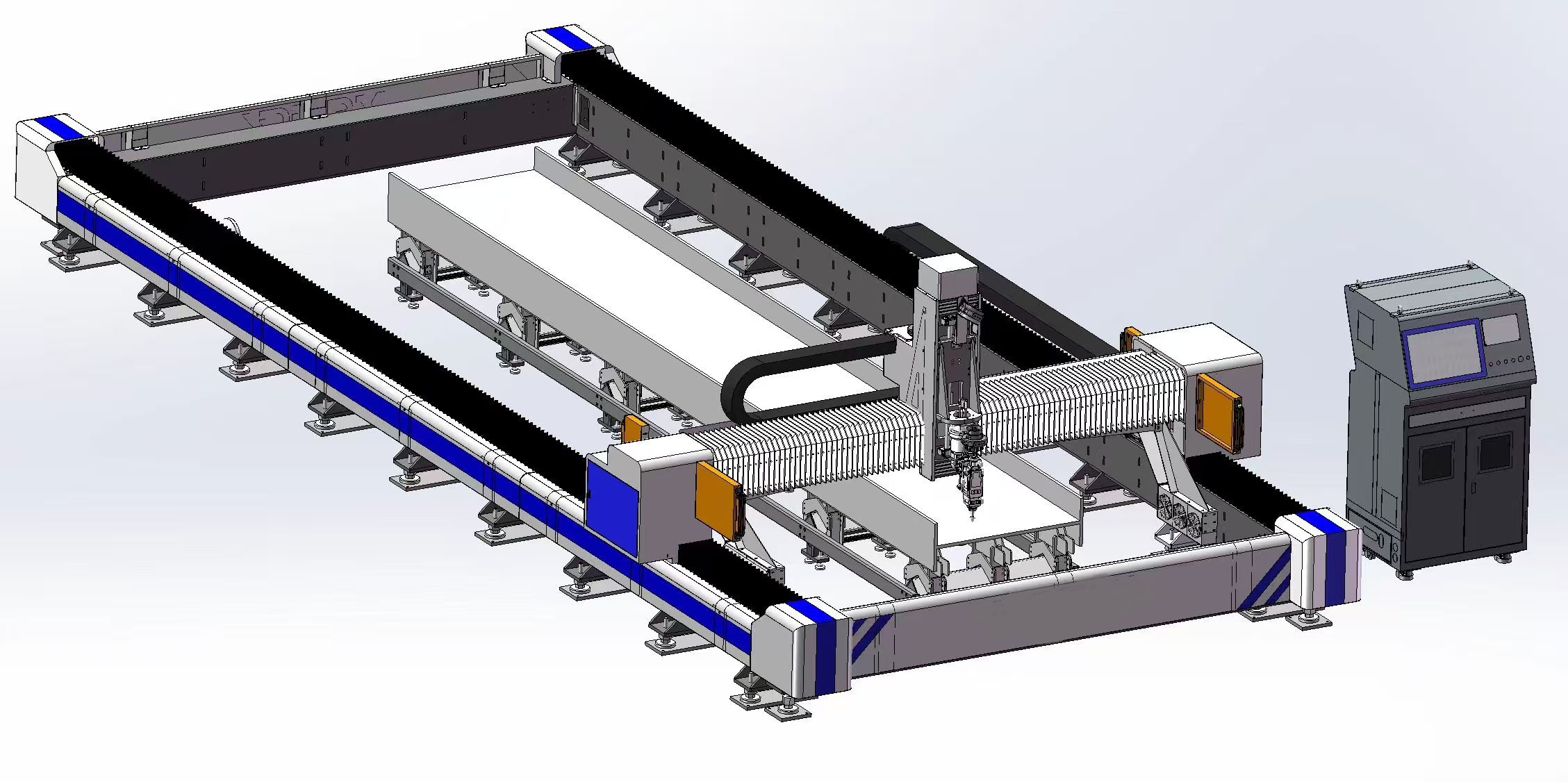
Industrial Application of H-Beam Plasma Cutter
1. Consumable Components: Nozzles, electrodes, swirl rings, and shields are the most frequently replaced items. The availability of these parts within the Bogotá metropolitan area ensures that the duty cycle of the plasma torch is not interrupted by stockouts. Using genuine consumables is vital for preserving the integrity of the torch head and ensuring consistent arc stability.
2. Electronic and Drive Systems: Servo motors, encoders, and PLC modules are susceptible to wear and electrical fluctuations. Localized warehousing of these high-value components allows for immediate replacement, preventing extended periods of machine downtime that can derail project timelines.
3. Pneumatic and Cooling Elements: The filtration systems for the plasma gases and the coolant pumps for the torch require periodic maintenance. Having these items on-site or available for same-day delivery in Bogotá ensures the thermal management system of the cutter remains within optimal operating parameters.
The 24h Service Response Protocol: Technical Implementation
In high-volume production environments, every hour of downtime results in a measurable loss of revenue. A 24-hour service response protocol in Bogotá is structured to address both software and hardware failures with maximum efficiency. This protocol is divided into three distinct phases of technical support:
Phase One involves remote diagnostics. Modern H-beam cutters are equipped with IoT-enabled controllers that allow technicians to access the system via a secure VPN. By analyzing error logs and real-time telemetry, approximately 60 percent of operational issues—such as software configuration errors or sensor calibration offsets—can be resolved without a physical site visit.
Phase Two is the deployment of field service engineers. If the diagnostic data indicates a mechanical or electrical failure that cannot be resolved remotely, a technician is dispatched from the local Bogotá service center. The proximity to the industrial zones of Fontibón, Puente Aranda, and Soacha allows for rapid transit to the client’s facility.
Phase Three focuses on the restoration of Oxy-fuel Cutting Integration or plasma functionality. The technician arrives with the necessary diagnostic tools and pre-identified spare parts to perform the repair. Following the hardware intervention, the system undergoes a recalibration sequence to ensure that the cutting accuracy returns to factory specifications.
Operational Efficiency and Cost-Benefit Analysis
The financial justification for investing in a system with localized support in Colombia is found in the reduction of the Total Cost of Ownership (TCO). While the initial capital expenditure of an automated H-Beam Plasma Cutter is significant, the ROI is accelerated by high machine availability. When spare parts are imported on a per-need basis, lead times can extend from five to fifteen business days. In contrast, a localized supply chain reduces this to less than 24 hours.
Furthermore, the technical expertise available in Bogotá ensures that the equipment is maintained according to a preventative schedule rather than a reactive one. Regular inspections of the rack-and-pinion drives and the lubrication of the linear guides extend the lifespan of the machine. This proactive approach reduces the frequency of catastrophic failures and ensures that the plasma arc maintains high energy density, which is critical for achieving the dross-free cuts required for structural connections.
Concluding Industry Insight
The global structural steel industry is moving toward a model of localized manufacturing resilience. As Bogotá continues to strengthen its position as a technical hub, the integration of 3D plasma cutting technology with local service infrastructure will be the defining factor for regional competitiveness. The future of H-beam processing lies not just in the speed of the plasma arc, but in the robustness of the support ecosystem surrounding the machine. For global firms looking to participate in the South American infrastructure market, the presence of a 24-hour technical response and a local parts repository in Bogotá is the most effective safeguard against operational volatility. This localized model ensures that the high-precision requirements of modern engineering are met with consistent, uninterrupted production capacity.
Industrial Expertise & Support
Are you looking for high-performance H-Beam Plasma Cutter tailored for the Global market? Our engineering team provides comprehensive solutions for modern manufacturing.

