Precision Engineering: The Rise of Small Diameter Pipe Laser Technology in Asunción
The industrial landscape of South America is undergoing a significant transition toward high-precision automated manufacturing. Central to this shift is the deployment of specialized fiber laser systems designed for complex geometries. In Asunción, Paraguay, the demand for high-speed processing of cylindrical and rectangular profiles has led to the strategic implementation of the Small Diameter Pipe Laser. This technology addresses the specific requirements of industries such as automotive component manufacturing, medical device fabrication, and high-end furniture production, where tolerances are measured in microns and material integrity is paramount.
Asunción has emerged as a logistical focal point for these operations, not merely as a consumer of technology but as a hub for technical support and maintenance. The ability to process pipes with diameters ranging from 10mm to 120mm requires a machine architecture that prioritizes high rotational speeds and vibration damping. By localizing both the hardware and the supporting infrastructure, manufacturers in the region are eliminating the traditional bottlenecks associated with international procurement and delayed technical intervention.
Technical Specifications and Machine Architecture
The Small Diameter Pipe Laser utilized in the Asunción facilities is engineered for high-dynamic performance. Unlike standard tube lasers, these systems utilize a lightweight, high-rigidity Automated Chucking System that allows for rapid acceleration and deceleration without compromising the structural integrity of thin-walled tubes. The integration of a Fiber Laser Resonator ensures a high-quality beam with a wavelength typically around 1.06 microns, which is ideal for high-absorption rates in materials such as stainless steel, carbon steel, and aluminum.
Dynamic Motion Control and Accuracy
The motion control systems are governed by high-speed CNC controllers capable of real-time compensation for pipe deviation. In small diameter applications, even a minor eccentricity in the raw material can lead to significant cutting errors. The systems in Asunción utilize laser-based centering sensors that measure the pipe profile in milliseconds, adjusting the cutting head position to maintain a constant focal point. This level of Kerf Width Optimization ensures that joints and interlocking parts fit with minimal secondary processing requirements.

Industrial Application of Small Diameter Pipe Laser
Localized Spare Parts Strategy in Paraguay
One of the primary challenges in operating advanced laser machinery in South America has historically been the lead time for critical components. To mitigate this, a localized spare parts repository has been established in Asunción. This inventory is not limited to basic consumables but includes high-value components essential for maintaining continuous production cycles.
Inventory Categorization
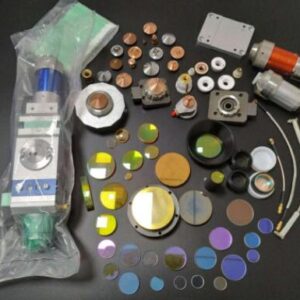
The localized warehouse maintains a multi-tier inventory system:
1. Optical Consumables: Including protective windows, focusing lenses, and collimating lenses specifically coated for fiber laser wavelengths. These components are susceptible to thermal deformation and must be replaced according to strict operational schedules to prevent beam divergence.
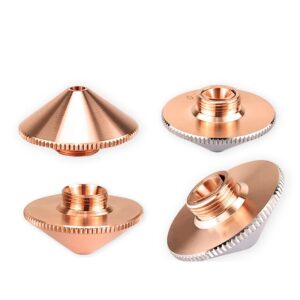
2. Mechanical Components: High-precision nozzles of various diameters, ceramic rings, and sensor cables. The availability of these parts locally ensures that minor mechanical failures do not escalate into prolonged downtime.
3. Electronic Units: Servo drives, laser modules, and PLC I/O units. By storing these components in Asunción, the logistical delay of customs clearance and transcontinental shipping is bypassed, allowing for immediate hardware replacement.
24h Service Response and Technical Support Protocols
In the B2B manufacturing sector, the cost of downtime is calculated by the minute. The service infrastructure in Asunción is built upon a 24-hour response protocol designed to maximize Overall Equipment Effectiveness (OEE). This service model is divided into three distinct phases: remote diagnostics, on-site intervention, and preventive maintenance.
Remote Diagnostic Integration
Every Small Diameter Pipe Laser unit is equipped with an integrated IoT gateway. This allows engineers based in Asunción to access the machine’s internal logs, monitor real-time power stability, and analyze error codes remotely. In approximately 40 percent of cases, software-related issues or parameter misconfigurations can be resolved without a physical site visit, significantly reducing the Mean Time to Repair (MTTR).
On-Site Engineering Support
When physical intervention is required, the proximity of service teams within the Asunción metropolitan area ensures that a technician arrives at the facility within a 24-hour window. These technicians are trained in the synchronization of the Fiber Laser Resonator with the mechanical gantry, ensuring that the machine is recalibrated to original factory specifications after any part replacement. This localized expertise is critical for maintaining the long-term accuracy of the equipment.
Operational Impact on Regional Supply Chains
The presence of localized support for small diameter pipe cutting has a cascading effect on the regional supply chain. Manufacturers who previously outsourced precision tube cutting to overseas suppliers can now internalize these processes. This leads to a reduction in Work-in-Process (WIP) inventory and allows for Just-In-Time (JIT) manufacturing strategies.
Furthermore, the ability to process small diameter pipes with high repeatability allows for the design of more complex assemblies. In the automotive sector, for example, the weight reduction achieved by using thin-walled, high-strength steel tubes is only possible if the cutting and piercing of these tubes are executed with extreme precision. The Asunción-based laser systems provide this capability, enabling local manufacturers to compete on a global scale regarding product quality and technical sophistication.
Concluding Industry Insight
The industrial sector is moving away from a model of centralized manufacturing toward a more distributed, localized service-oriented architecture. The establishment of high-precision Small Diameter Pipe Laser capabilities in Asunción, backed by localized spare parts and a 24h service commitment, represents a significant milestone in this evolution. For global stakeholders, this signifies that Paraguay is no longer just a destination for heavy industry but a sophisticated environment capable of supporting high-technology manufacturing. The future of the industry lies in the convergence of advanced hardware and hyper-local technical support, ensuring that the precision of the laser is matched by the reliability of the service network that sustains it. As global markets demand shorter lead times and higher customization, the ability to maintain 24/7 operational readiness through localized infrastructure will be the primary differentiator for successful manufacturing hubs.
Industrial Expertise & Support
Are you looking for high-performance Small Diameter Pipe Laser tailored for the Global market? Our engineering team provides comprehensive solutions for modern manufacturing.